Importance of Hydration for Athletes
Importance of hydration for athletes – Proper hydration is essential for athletes to perform at their best. Water plays a crucial role in various bodily functions that are vital for athletic performance.
Negative Impact of Dehydration
Dehydration can have detrimental effects on an athlete’s abilities. When the body lacks adequate fluids, it can lead to decreased physical and mental performance. Some common consequences of dehydration include:
- Decreased endurance and stamina
- Impaired coordination and focus
- Increased risk of muscle cramps and injuries
Preventing Heat-Related Illnesses
Hydration is also crucial in preventing heat-related illnesses during exercise, especially in hot and humid conditions. Proper fluid intake helps regulate body temperature and prevent conditions like heat exhaustion or heat stroke. Athletes need to stay hydrated before, during, and after their workouts to avoid these dangerous situations.
Benefits of Proper Hydration
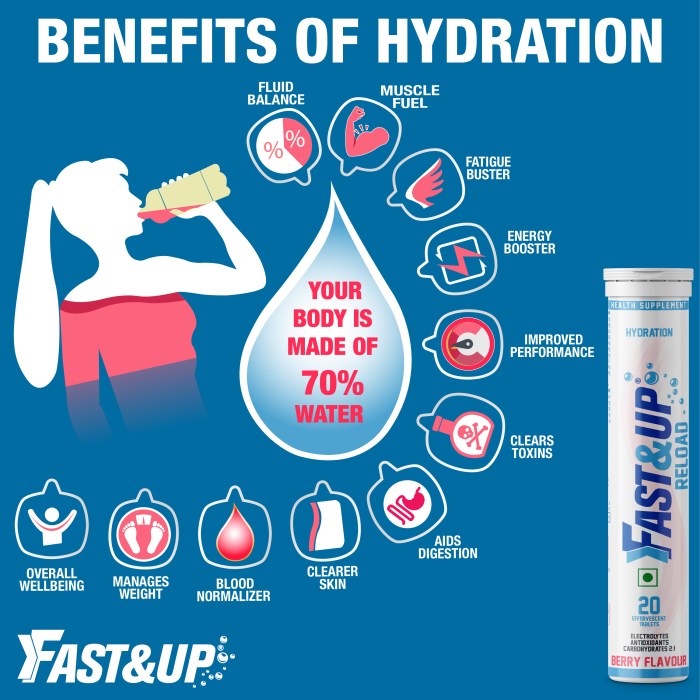
Proper hydration is essential for athletes as it can significantly impact their performance and overall well-being. Staying hydrated offers a range of benefits that can enhance endurance, strength, muscle recovery, and mental focus during workouts and competitions.
Improved Endurance and Strength, Importance of hydration for athletes
- Hydration plays a crucial role in regulating body temperature and maintaining electrolyte balance, which are essential for optimal muscle function.
- Dehydration can lead to decreased endurance and strength, as well as increased fatigue and muscle cramps during intensive workouts.
- By staying properly hydrated, athletes can sustain their energy levels, improve their performance, and push their physical limits more effectively.
Muscle Recovery Post-Exercise
- Hydration is key to facilitating the repair and growth of muscles after strenuous exercise.
- Proper hydration helps to remove metabolic waste products from muscles, reducing the risk of muscle soreness and enhancing recovery time.
- Drinking an adequate amount of water post-exercise aids in replenishing glycogen stores and promoting muscle protein synthesis for faster recovery.
Mental Focus for Athletes
- Hydration is linked to cognitive function, memory retention, and overall mental acuity.
- Even mild dehydration can impair cognitive performance, reaction time, and decision-making abilities, affecting an athlete’s focus and concentration.
- By staying hydrated, athletes can maintain optimal mental sharpness, stay alert during competitions, and make quick and accurate decisions on the field or court.
Hydration Strategies for Athletes: Importance Of Hydration For Athletes
Ensuring proper hydration is essential for athletes to perform at their best. Here are some strategies athletes can use to stay adequately hydrated before, during, and after training or competitions.
Importance of Electrolytes
Electrolytes play a crucial role in maintaining proper hydration levels in the body. They help regulate fluid balance, muscle function, and nerve signaling. Athletes should ensure they consume electrolyte-rich foods or drinks to replenish what is lost through sweat.
Monitoring Hydration Status
Athletes can monitor their hydration status through various methods. One effective way is to check the color of urine – clear or pale yellow urine indicates proper hydration, while dark yellow urine may indicate dehydration. Additionally, monitoring body weight before and after exercise can help athletes gauge their fluid loss and adjust their hydration strategies accordingly.
Hydration and Nutrition
Proper nutrition plays a crucial role in maintaining optimal hydration levels for athletes. The foods and beverages consumed can impact hydration status, energy levels, and overall performance on the field.
Impact of Different Beverages on Hydration Levels
- Sports drinks: These are formulated to provide a balance of electrolytes and carbohydrates, which can help athletes stay hydrated and maintain energy levels during intense workouts.
- Water: The most essential beverage for hydration, water helps replenish fluids lost through sweat and is crucial for overall bodily functions.
- Caffeinated beverages: Drinks like coffee and tea can have a diuretic effect, increasing urine output and potentially leading to dehydration if consumed in excess.
Significance of Timing Fluid Intake
Timing fluid intake properly in relation to meals and training sessions is key for optimal hydration. Before a workout, it is important to drink enough fluids to ensure proper hydration levels during exercise. During training, sipping on water or sports drinks can help maintain hydration. Post-workout, replenishing lost fluids is crucial for recovery and muscle repair.
Hydration Myths Debunked
There are several common misconceptions surrounding hydration for athletes that can lead to confusion and potentially harmful practices. It is important to address these myths with evidence-based explanations to ensure athletes are properly informed about their hydration needs.
Myth: Clear urine means you are well-hydrated
Contrary to popular belief, clear urine is not always a reliable indicator of hydration status. While dark yellow urine may indicate dehydration, clear urine can also be a sign of overhydration. It is essential for athletes to pay attention to their overall hydration levels rather than solely relying on the color of their urine.
Myth: You only need to drink water when you’re thirsty
Thirst is not always a precise indicator of hydration needs, especially during intense physical activity when dehydration can occur rapidly. Athletes should proactively drink fluids before, during, and after exercise to maintain optimal hydration levels and prevent performance decline.
Myth: Sports drinks are always better than water for hydration
While sports drinks can be beneficial for replacing electrolytes lost through sweat during prolonged exercise, they are not always necessary for every athlete. Water remains a simple and effective option for hydration in many cases, especially for shorter workouts or less intense activities.
Myth: Hydration only matters during exercise
Proper hydration is crucial not only during exercise but also before and after physical activity. Pre-hydration ensures that athletes start their workouts well-hydrated, while post-hydration aids in recovery and replenishment of fluid loss. Neglecting hydration outside of exercise can have negative impacts on overall performance and health.
Questions Often Asked
How does hydration impact athletic performance?
Proper hydration is essential for athletes as it helps maintain endurance, muscle function, and mental focus during workouts.
What are some signs of dehydration in athletes?
Symptoms of dehydration in athletes can include fatigue, decreased performance, muscle cramps, and dizziness.
Why is timing fluid intake important for athletes?
Timing fluid intake is crucial for athletes to ensure proper hydration levels before, during, and after training or competitions, optimizing performance.



More Stories
Personalized Fitness for Beginners: A Step-by-Step Guide
How to create a home fitness routine: A Comprehensive Guide
How to use protein supplements for muscle growth: A Comprehensive Guide