Introduction to Protein Supplements for Muscle Growth: How To Use Protein Supplements For Muscle Growth
Protein supplements play a crucial role in muscle growth and development. They provide the necessary building blocks for muscle repair and growth, making them essential for anyone looking to enhance their workout results. Protein intake is especially important for muscle development as it helps in increasing muscle mass, strength, and overall performance.
Enhancing Workout Results
Protein supplements can help enhance workout results by providing the body with the necessary amino acids needed for muscle repair and growth. They can also help in reducing muscle soreness and fatigue, allowing for faster recovery between workouts. With proper intake of protein supplements, individuals can see improvements in muscle mass, strength, and endurance.
Types of Protein Supplements
When it comes to protein supplements for muscle growth, there are various types available on the market. Each type has its own set of benefits and drawbacks, catering to different needs and preferences of individuals.
Whey Protein
Whey protein is one of the most popular protein supplements among fitness enthusiasts. It is derived from milk and is quickly absorbed by the body, making it an ideal choice for post-workout consumption. Whey protein is rich in essential amino acids, which are crucial for muscle recovery and growth. However, some people may experience digestive issues due to lactose intolerance.
Casein Protein
Casein protein is another milk-derived protein supplement that is digested slowly by the body. This slow digestion rate makes it a great option for a sustained release of amino acids, making it suitable for consumption before bedtime. Casein protein is also rich in amino acids but may not be as effective immediately after a workout compared to whey protein.
Plant-Based Protein
For those who follow a vegetarian or vegan diet, plant-based protein supplements are a great alternative. These supplements are typically derived from sources like pea, rice, hemp, or soy. Plant-based protein supplements are rich in fiber and antioxidants, making them a healthy choice. However, they may not have a complete amino acid profile compared to animal-based protein supplements.
Determining Protein Requirements
Determining the right amount of protein intake is crucial for maximizing muscle growth and recovery. It is essential to calculate protein requirements based on body weight, activity level, and individual goals.
Calculating Protein Intake
- For sedentary individuals: 0.8 grams of protein per kilogram of body weight
- For endurance athletes: 1.2 to 1.4 grams of protein per kilogram of body weight
- For strength athletes: 1.2 to 2.0 grams of protein per kilogram of body weight
Calculate your protein intake by multiplying your body weight in kilograms by the recommended protein intake range for your activity level.
Timing Protein Intake
Protein intake timing plays a crucial role in muscle recovery and growth. Consuming protein-rich meals or supplements within 2 hours post-workout can enhance muscle protein synthesis and recovery.
Impact of Individual Goals
- For muscle building: Higher protein intake may be required to support muscle growth and repair.
- For weight loss: Protein intake can help maintain muscle mass while losing fat.
- For overall health: Adequate protein intake is essential for overall health and well-being.
Incorporating Protein Supplements into Your Diet
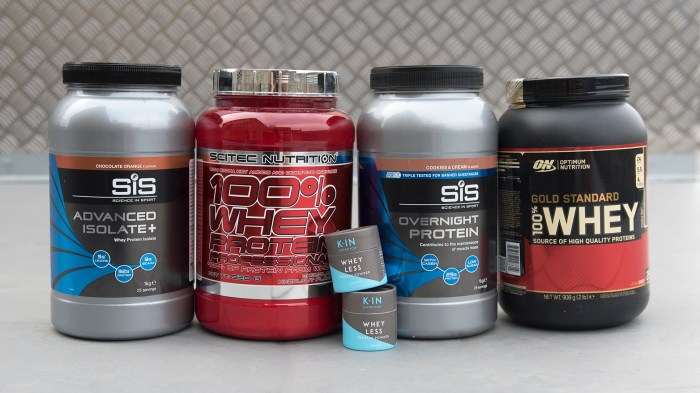
How to use protein supplements for muscle growth – Adding protein supplements to your diet can help support muscle growth and recovery. Here are some suggestions on how to include protein supplements in your meals or shakes, along with the importance of maintaining a balanced diet.
Adding Protein Supplements to Meals or Shakes
- Blend protein powder into your morning smoothie for a quick and easy breakfast.
- Sprinkle protein powder into pancake or waffle batter for a protein-packed treat.
- Mix protein powder into yogurt or oatmeal for a boost of protein in your snacks.
- Make protein shakes with milk, fruits, and protein powder for a post-workout refuel.
Protein-Rich Snack Ideas
When you need a quick snack, opt for protein-rich options to keep you fueled throughout the day. Here are some ideas:
- Hard-boiled eggs
- Greek yogurt with nuts and honey
- Cottage cheese with fruit
- Protein bars or protein balls
Balanced Diet and Protein Supplements
While protein supplements can help meet your protein needs, it’s essential to maintain a balanced diet overall. Make sure to include a variety of foods from different food groups to ensure you’re getting all the nutrients your body needs. Protein supplements should complement your diet, not replace whole foods.
Maximizing Muscle Growth with Protein Supplements
Protein timing is crucial for optimal muscle growth. Consuming protein supplements before and after workouts can help maximize muscle protein synthesis and enhance muscle recovery.
Strategies for Combining Protein Supplements with Exercise Routines, How to use protein supplements for muscle growth
- Pre-Workout: Consuming a protein shake with carbohydrates before a workout can provide energy and prevent muscle breakdown during exercise.
- Post-Workout: Taking protein supplements immediately after a workout can help kickstart muscle recovery and repair.
- Throughout the Day: Distributing protein intake evenly throughout the day can support muscle growth and maintenance.
Role of Protein in Muscle Repair and Recovery
Protein plays a crucial role in muscle repair and recovery. It provides the necessary building blocks (amino acids) for repairing muscle tissue damaged during exercise. Consuming an adequate amount of protein can help speed up recovery and promote muscle growth.
Potential Risks and Side Effects

Protein supplements are generally safe when consumed within recommended limits, but excessive intake can pose certain risks and lead to side effects. It is important to be aware of these potential issues to ensure safe and effective use of protein supplements.
Identifying Potential Risks
Excessive protein intake can strain the kidneys as they work harder to eliminate waste products from protein metabolism. This can be particularly risky for individuals with pre-existing kidney conditions. High protein diets may also increase the risk of osteoporosis due to calcium loss in the urine. Additionally, consuming too much protein can lead to nutrient imbalances and deficiencies if other essential nutrients are neglected in the diet.
Common Side Effects
Some common side effects of protein supplements include digestive issues such as bloating, gas, and stomach cramps. Consuming low-quality protein supplements or those with added ingredients like artificial sweeteners can exacerbate these symptoms. Allergic reactions to certain types of protein, such as whey or casein, are also possible and can manifest as skin rashes, itching, or difficulty breathing in severe cases.
Tips for Mitigating Risks and Side Effects
To minimize the risks and side effects associated with protein supplements, it is important to follow recommended dosage guidelines and not exceed your daily protein requirements. Choose high-quality protein supplements from reputable brands to reduce the likelihood of experiencing digestive issues or allergic reactions. Stay hydrated to support kidney function and consider consulting a healthcare provider or nutritionist before starting a high protein diet or supplement regimen.
Monitoring Progress and Adjusting Intake
When using protein supplements for muscle growth, it is essential to monitor your progress closely to ensure you are achieving your desired results. Tracking your progress allows you to make informed decisions about adjusting your protein intake for optimal muscle growth.
Importance of Tracking Progress
- Monitoring progress helps you determine if your current protein intake is sufficient to support muscle growth.
- It enables you to identify any plateaus or changes in your muscle-building progress.
- Tracking progress allows you to make adjustments to your diet and supplement regimen to maximize gains.
Signs for Adjusting Protein Intake
- If you are not seeing noticeable muscle growth despite consistent training, it may be a sign that you need to increase your protein intake.
- Feeling fatigued or experiencing prolonged muscle soreness could indicate that your protein consumption is inadequate for recovery and muscle repair.
- Weight fluctuations or changes in body composition may suggest that your protein intake needs to be adjusted to support your fitness goals.
Guidance on Adjusting Protein Intake
- Consider increasing your protein intake gradually by adding an extra serving of protein-rich foods or supplementing with a higher protein powder.
- Monitor your progress closely after adjusting your protein intake to assess the impact on muscle growth and recovery.
- Consult with a nutritionist or fitness expert to determine the optimal protein intake based on your individual goals, activity level, and body composition.
Additional Tips for Muscle Growth
When aiming to maximize muscle growth, it’s essential to consider additional strategies beyond just protein supplements. Factors like hydration and sleep play crucial roles in supporting muscle development and recovery.
The Role of Hydration
Adequate hydration is key for muscle growth as water is essential for various bodily functions, including nutrient transport and muscle recovery. Dehydration can hinder muscle performance and slow down the growth process. It’s recommended to drink enough water throughout the day, especially before and after workouts, to support muscle development.
Sleep Hygiene for Muscle Recovery
Sleep is a critical component of muscle recovery and growth. During deep sleep, the body repairs and rebuilds muscle tissues that have been stressed during workouts. Poor sleep quality or insufficient sleep can impact muscle recovery, leading to slower gains. It’s important to prioritize good sleep hygiene practices, such as maintaining a consistent sleep schedule, creating a restful sleep environment, and avoiding stimulants before bedtime, to support optimal muscle growth.
Essential FAQs
How often should I consume protein supplements?
It is recommended to consume protein supplements based on your individual protein requirements, which may vary depending on your activity level and fitness goals.
Can protein supplements replace whole food sources of protein?
Protein supplements should not completely replace whole food sources of protein, as a balanced diet rich in whole foods is essential for overall health and wellness.
Are there any risks associated with consuming too much protein through supplements?
Excessive intake of protein supplements can lead to potential risks such as kidney damage or digestive issues. It is important to follow recommended guidelines and consult with a healthcare professional if needed.



More Stories
Personalized Fitness for Beginners: A Step-by-Step Guide
Importance of hydration for athletes: The key to peak performance
How to create a home fitness routine: A Comprehensive Guide