How to develop mental resilience through mindfulness and self-reflection is a journey of self-discovery and empowerment. In today’s fast-paced world, we are constantly bombarded with stressors that can take a toll on our mental well-being. Learning to navigate these challenges and build resilience is crucial for living a fulfilling and balanced life.
By incorporating mindfulness practices into our daily routines and engaging in self-reflection, we can cultivate a stronger sense of self-awareness, emotional regulation, and coping mechanisms. This guide explores practical strategies and techniques to help you develop mental resilience, enabling you to thrive amidst life’s inevitable ups and downs.
This journey begins with understanding the concept of mental resilience, its significance in everyday life, and the impact of stress on our mental health. We’ll delve into the role of mindfulness in building resilience and explore various mindfulness techniques such as meditation, deep breathing, and body scans.
The importance of self-reflection in understanding our thoughts, emotions, and behaviors will be discussed, along with techniques for identifying and challenging negative thought patterns. We’ll also examine the connection between healthy habits and mental resilience, exploring how regular exercise, balanced nutrition, and adequate sleep can contribute to our overall well-being.
Understanding Mental Resilience
Mental resilience is the ability to adapt to and bounce back from adversity, stress, and challenges. It’s an essential life skill that helps us navigate the ups and downs of everyday life, maintain our well-being, and achieve our goals.
The Impact of Stress on Mental Health and Well-being
Stress is a natural response to demanding situations. However, prolonged or excessive stress can have a significant impact on our mental health and well-being. Chronic stress can lead to various mental health issues, including anxiety, depression, and burnout. It can also contribute to physical health problems such as high blood pressure, heart disease, and weakened immune system.
The Role of Mindfulness in Developing Mental Resilience
Mindfulness plays a crucial role in developing mental resilience. It involves paying attention to the present moment without judgment, cultivating awareness of our thoughts, feelings, and sensations. By practicing mindfulness, we can learn to observe our stress responses without getting overwhelmed by them.
This helps us to manage stress effectively, develop emotional regulation skills, and build resilience.
Mindfulness Techniques
Mindfulness is the practice of paying attention to the present moment without judgment. It involves being aware of your thoughts, feelings, and sensations without getting caught up in them. Mindfulness techniques can help you develop mental resilience by allowing you to observe your thoughts and feelings without reacting to them impulsively.
Meditation
Meditation is a practice that involves focusing your attention on a single point, such as your breath, a mantra, or an image. Regular meditation practice can help you develop greater self-awareness, reduce stress, and improve your ability to focus.
Steps for Practicing Meditation
- Find a quiet place where you can sit or lie down comfortably.
- Close your eyes or focus your gaze on a single point.
- Start by focusing on your breath. Notice the rise and fall of your chest or abdomen.
- As you breathe, notice any thoughts or feelings that arise. Don’t judge them; simply observe them.
- If your mind wanders, gently bring your attention back to your breath.
- Start with short sessions, gradually increasing the duration as you become more comfortable.
Deep Breathing
Deep breathing is a simple but effective mindfulness technique that can help you calm your nervous system and reduce stress. When you breathe deeply, you send more oxygen to your brain, which can help you feel more relaxed and focused.
Steps for Practicing Deep Breathing
- Sit or lie down comfortably.
- Place one hand on your chest and the other on your stomach.
- Inhale slowly and deeply through your nose, allowing your stomach to expand.
- Hold your breath for a few seconds.
- Exhale slowly through your mouth, letting your stomach contract.
- Repeat this process for several minutes.
Body Scan
A body scan is a mindfulness technique that involves paying attention to different parts of your body. It can help you become more aware of your physical sensations and reduce tension.
Steps for Practicing a Body Scan
- Lie down comfortably or sit in a chair with your back straight.
- Start by focusing on your breath.
- Begin by noticing your toes. Are they warm or cold? Are they tingling or numb?
- Slowly move your attention up your body, noticing the sensations in your feet, ankles, calves, and thighs.
- Continue scanning your body, paying attention to your torso, arms, hands, neck, face, and head.
- Notice any areas of tension or discomfort. Don’t try to change them; simply observe them.
Self-Reflection and Awareness
Self-reflection is a crucial component of mental resilience, allowing us to understand our thoughts, emotions, and behaviors. It’s like taking a step back and observing ourselves from a distance, gaining valuable insights into our inner world. By engaging in self-reflection, we can become more aware of our strengths, weaknesses, and the patterns that influence our actions.
Understanding Thoughts, Emotions, and Behaviors
Self-reflection helps us identify and understand the complex interplay between our thoughts, emotions, and behaviors. It encourages us to question our assumptions and beliefs, challenge negative thought patterns, and explore the root causes of our emotional responses. This process of introspection allows us to gain a deeper understanding of ourselves and our reactions to various situations.
Identifying and Challenging Negative Thought Patterns
Negative thought patterns can significantly impact our mental well-being. Self-reflection helps us identify these patterns, which may involve self-criticism, pessimism, or catastrophizing. By recognizing these negative thoughts, we can begin to challenge them. This involves questioning their validity, seeking alternative perspectives, and replacing them with more positive and realistic thoughts.
Techniques for Developing Self-Awareness and Emotional Regulation
Developing self-awareness and emotional regulation is an ongoing process that requires consistent effort. Here are some techniques that can be helpful:
- Journaling:Regularly writing down your thoughts, feelings, and experiences can provide valuable insights into your inner world. It allows you to track patterns, identify triggers, and reflect on your responses to different situations.
- Mindfulness Meditation:Mindfulness meditation involves paying attention to the present moment without judgment. It helps cultivate awareness of your thoughts, feelings, and bodily sensations, enabling you to observe them without getting carried away by them.
- Emotional Check-ins:Taking regular time to check in with your emotions can help you identify and understand them better. Ask yourself questions like, “How am I feeling right now?” and “What might be contributing to these feelings?”
- Seeking Feedback:Asking trusted friends, family members, or a therapist for feedback on your behavior and communication style can provide valuable insights into your blind spots.
Cultivating Positive Habits
Building mental resilience is like building a strong foundation. Just as a strong foundation requires sturdy materials, a resilient mind thrives on healthy habits. These habits act as building blocks, contributing to a robust mental state that can withstand life’s challenges.
The Link Between Healthy Habits and Mental Resilience
Healthy habits are not merely about physical well-being; they play a crucial role in fostering mental resilience. Engaging in regular exercise, nourishing your body with balanced nutrition, and prioritizing adequate sleep can significantly enhance your mental health. These habits work synergistically to strengthen your mind, allowing you to cope with stress, navigate challenges, and maintain a positive outlook.
Regular Exercise: A Pathway to Mental Strength
Regular exercise is not just about physical fitness; it’s a powerful tool for boosting mental resilience. When you exercise, your body releases endorphins, natural mood elevators that promote feelings of well-being. Physical activity can also help manage stress, improve sleep quality, and reduce anxiety.
“Exercise is a powerful tool for building mental resilience. It releases endorphins, reduces stress, and improves sleep quality, all contributing to a more positive and resilient mindset.”
Balanced Nutrition: Fueling Mental Resilience
Just as your body needs fuel to function, your mind needs proper nutrition to thrive. A balanced diet rich in fruits, vegetables, whole grains, and lean protein provides the essential nutrients your brain needs to operate optimally.
“A balanced diet is essential for mental resilience. It provides the nutrients your brain needs to function optimally, enhancing focus, mood, and cognitive abilities.”
Adequate Sleep: Restoring and Rejuvenating the Mind
Sleep is not a luxury; it’s a vital component of mental resilience. During sleep, your brain processes information, consolidates memories, and repairs itself. When you consistently get enough sleep, you wake up feeling refreshed, focused, and better equipped to handle the day’s challenges.
“Adequate sleep is crucial for mental resilience. It allows your brain to process information, consolidate memories, and repair itself, leaving you feeling refreshed and ready to face the day.”
Incorporating Healthy Habits into Daily Routines
Making healthy habits a part of your daily routine can seem daunting, but it’s achievable with consistent effort. Here are some practical tips:
- Start Small:Don’t try to overhaul your entire lifestyle overnight. Begin with small, achievable changes, like taking a 15-minute walk each day or swapping sugary drinks for water.
- Set Realistic Goals:Aim for gradual progress rather than perfection. Celebrate your successes along the way, even the small ones.
- Find Activities You Enjoy:Choose activities that you genuinely enjoy, making it more likely that you’ll stick with them. Experiment with different types of exercise, recipes, or relaxation techniques until you find what works best for you.
- Make It a Habit:Consistency is key. Schedule time for your healthy habits, just as you would for any other important appointment. Over time, these activities will become ingrained in your routine.
- Seek Support:Surround yourself with people who support your efforts to cultivate healthy habits. Share your goals with friends, family, or a therapist, and ask for encouragement and accountability.
Stress Management Strategies: How To Develop Mental Resilience Through Mindfulness And Self-reflection
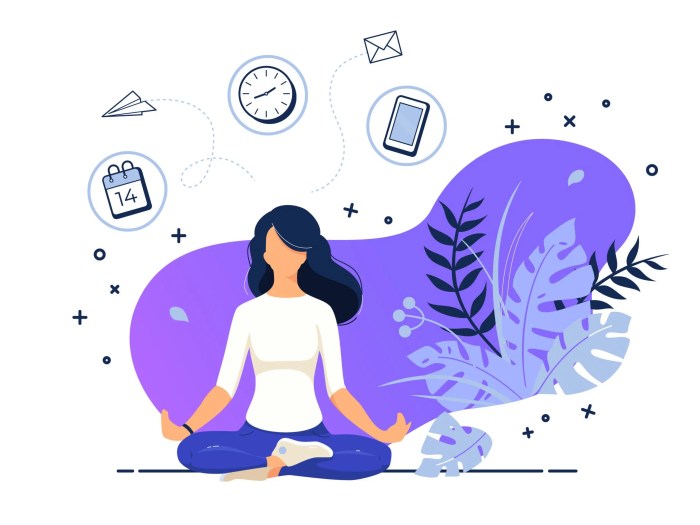
Stress is an inevitable part of life, but chronic stress can significantly impact your mental health and overall well-being. Effective stress management is crucial for building mental resilience, as it allows you to navigate challenges without feeling overwhelmed or losing control.
Relaxation Techniques, How to develop mental resilience through mindfulness and self-reflection
Relaxation techniques offer a direct approach to reducing stress by calming your mind and body. These techniques can be incorporated into your daily routine, providing a sense of peace and tranquility.
- Deep Breathing Exercises:Deep, slow breaths can help regulate your heart rate and blood pressure, promoting a sense of calmness. Simple techniques like diaphragmatic breathing or box breathing can be practiced anywhere, anytime.
- Progressive Muscle Relaxation:This technique involves systematically tensing and relaxing different muscle groups in your body, leading to a state of deep relaxation. By focusing on physical sensations, you can release tension and promote mental clarity.
- Meditation:Meditation involves focusing your attention on the present moment, allowing thoughts to come and go without judgment. Regular meditation practice can enhance self-awareness, reduce stress, and improve emotional regulation.
- Mindfulness:Mindfulness is similar to meditation but focuses on bringing your attention to your senses and bodily sensations. It involves observing your thoughts and feelings without judgment, allowing you to become more aware of your internal state.
Time Management Strategies
Effective time management is essential for reducing stress by preventing overwhelm and fostering a sense of control. By prioritizing tasks and organizing your schedule, you can create a more balanced and manageable lifestyle.
- Prioritization:Identify the most important tasks and focus your energy on completing them first. Use techniques like the Eisenhower Matrix to categorize tasks based on urgency and importance.
- Scheduling:Create a schedule that allocates time for work, personal activities, and relaxation. Stick to your schedule as much as possible to maintain a sense of structure and avoid feeling rushed.
- Delegation:If possible, delegate tasks to others to reduce your workload. This can be particularly helpful in work or home environments where you are constantly juggling responsibilities.
- Time Blocking:Dedicate specific blocks of time for certain activities, such as work, exercise, or leisure. This can help you stay focused and prevent distractions.
Seeking Support
It is important to recognize that you don’t have to manage stress alone. Seeking support from others can significantly reduce your stress levels and provide a sense of community.
- Social Connections:Spending time with loved ones, friends, or family can provide emotional support and a sense of belonging. Share your concerns and feelings with people you trust.
- Professional Help:If stress is overwhelming or persistent, consider seeking professional help from a therapist or counselor. They can provide coping mechanisms and strategies for managing stress effectively.
- Support Groups:Joining a support group for individuals facing similar challenges can provide a sense of community and understanding. Sharing experiences and advice can be incredibly helpful in navigating stress.
Practical Tips for Managing Stress
Stress can arise in various situations. Here are some practical tips for managing stress in different contexts:
- Work Stress:Take regular breaks, prioritize tasks, set boundaries, and communicate effectively with colleagues and superiors.
- Relationship Stress:Practice active listening, compromise, and healthy communication. Seek professional help if necessary.
- Financial Stress:Create a budget, seek financial advice, and explore options for reducing expenses.
- Health Stress:Prioritize self-care, eat a healthy diet, exercise regularly, and get enough sleep.
Building a Support Network
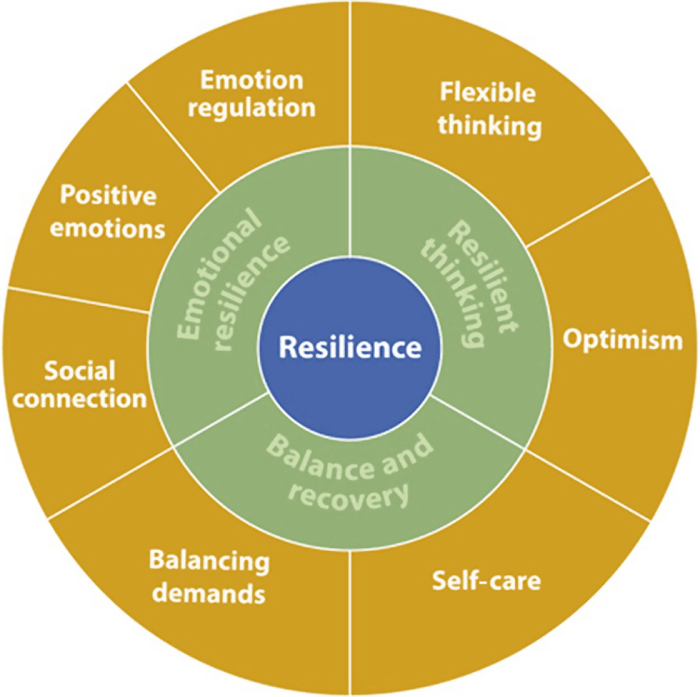
Having a strong support network is crucial for mental well-being. It acts as a buffer against stress and adversity, providing emotional, practical, and social support. Building and nurturing these connections can significantly enhance resilience, enabling individuals to cope with life’s challenges effectively.
Benefits of a Supportive Network
Strong relationships with friends, family, and community members offer numerous benefits for mental health:
- Reduced Stress and Anxiety:Social support acts as a buffer against stress, helping individuals cope with difficult situations more effectively. Studies show that people with strong social connections experience lower levels of stress hormones, such as cortisol.
- Improved Mood and Well-being:Positive social interactions release endorphins, which have mood-boosting effects. Feeling connected and supported contributes to a sense of belonging and purpose, leading to greater happiness and well-being.
- Enhanced Self-Esteem and Confidence:Supportive relationships provide validation and encouragement, boosting self-esteem and confidence. Knowing that others believe in you can empower you to take on challenges and achieve your goals.
- Improved Physical Health:Research suggests that strong social connections can contribute to better physical health. People with strong social support tend to have lower blood pressure, reduced risk of heart disease, and a stronger immune system.
Fostering Supportive Relationships
Building and nurturing supportive relationships requires effort and intentionality. Here are some tips for fostering healthy connections:
- Be Present and Engaged:Make time for meaningful conversations and activities with loved ones. Actively listen to their concerns and offer support when needed.
- Practice Empathy and Understanding:Try to see things from other people’s perspectives and show genuine concern for their feelings. This fosters trust and strengthens bonds.
- Express Gratitude and Appreciation:Let people know how much you value their presence and support. Small gestures of appreciation can go a long way in nurturing relationships.
- Seek Common Ground:Find activities or interests you share with others to create opportunities for connection and bonding.
- Be Reliable and Trustworthy:Follow through on commitments and be someone others can count on. This builds trust and strengthens relationships over time.
Seeking Help When Needed
It’s important to remember that you don’t have to go through difficult times alone. If you’re struggling with mental health challenges, don’t hesitate to seek professional help. Therapists, counselors, and support groups can provide guidance, coping strategies, and a safe space to process your emotions.
- Mental Health Professionals:Therapists and counselors are trained to help individuals address mental health concerns and develop coping mechanisms.
- Support Groups:Connecting with others who share similar experiences can provide a sense of community, understanding, and validation.
- Online Resources:There are numerous online resources available, including websites, forums, and apps, that offer support and information about mental health.
Overcoming Challenges
Mental resilience is not about avoiding challenges; it’s about having the strength and adaptability to face them head-on and emerge stronger. When you encounter setbacks or adversity, your resilience allows you to navigate these difficult situations and learn from them, ultimately fostering personal growth and a sense of accomplishment.
Developing a Positive Mindset
A positive mindset is crucial for overcoming challenges. It involves viewing obstacles as opportunities for learning and growth rather than insurmountable barriers. By focusing on the positive aspects of a situation and maintaining a hopeful outlook, you can cultivate a more resilient mindset.
- Challenge your negative thoughts:When you encounter a setback, it’s easy to fall into a cycle of negative thinking. Instead of dwelling on the problem, try to challenge these thoughts by asking yourself: “Is this thought truly helpful? What are the other perspectives I can consider?”
- Practice gratitude:Focusing on what you’re grateful for, even in challenging times, can help shift your perspective and promote a more positive outlook. Take time each day to reflect on things you appreciate, big or small.
- Visualize success:Visualizing yourself overcoming challenges and achieving your goals can boost your confidence and motivate you to persevere. Take a few minutes each day to imagine yourself successfully navigating the difficulties you face.
Coping Strategies
Developing effective coping strategies is essential for managing difficult situations and bouncing back from adversity. These strategies can help you regulate your emotions, maintain a sense of control, and prevent overwhelming stress.
- Mindfulness and deep breathing:Mindfulness practices, such as deep breathing exercises, can help you stay grounded in the present moment and reduce stress. By focusing on your breath and sensations in your body, you can calm your mind and manage overwhelming emotions.
- Physical activity:Engaging in regular physical activity can release endorphins, which have mood-boosting effects and can help reduce stress. Find activities you enjoy, such as walking, running, dancing, or swimming.
- Creative outlets:Engaging in creative activities, such as writing, painting, playing music, or gardening, can provide a healthy outlet for expressing your emotions and reducing stress. These activities can also foster a sense of accomplishment and self-expression.
- Seek support:Don’t hesitate to reach out to friends, family, or a therapist for support during challenging times. Sharing your feelings and seeking advice from others can help you gain perspective and cope with difficult situations.
Maintaining Mental Resilience
Building mental resilience isn’t a one-time achievement; it’s an ongoing process. Just like physical fitness, it requires consistent effort and attention. This section explores how to sustain your mental resilience over time, ensuring you have the tools to navigate life’s inevitable challenges.
The Importance of Ongoing Self-Care
Self-care isn’t a luxury; it’s a necessity for maintaining mental well-being. It’s about actively prioritizing your physical, emotional, and mental health. This involves making conscious choices that nourish your overall well-being.
- Prioritize Sleep:Aim for 7-9 hours of quality sleep each night. Sleep deprivation can significantly impact your mood, concentration, and ability to cope with stress.
- Nourish Your Body:Eat a balanced diet rich in fruits, vegetables, and whole grains. Avoid processed foods, sugary drinks, and excessive caffeine, which can contribute to mood swings and anxiety.
- Engage in Regular Exercise:Physical activity releases endorphins, which have mood-boosting effects. Aim for at least 30 minutes of moderate-intensity exercise most days of the week.
- Practice Mindfulness:Dedicate time each day to mindfulness exercises, such as meditation or deep breathing. These practices can help you cultivate a greater sense of awareness and calm.
- Connect with Nature:Spending time in nature has been shown to reduce stress and improve mood. Go for walks in the park, hike in the mountains, or simply sit in your backyard and enjoy the fresh air.
Tips for Maintaining Mental Resilience Over Time
Sustaining mental resilience requires a proactive approach. The following tips can help you cultivate a resilient mindset and navigate life’s challenges with greater ease.
- Practice Gratitude:Take time each day to appreciate the good things in your life. Gratitude can shift your focus from negativity to positivity, fostering a more optimistic outlook.
- Develop a Growth Mindset:Embrace challenges as opportunities for learning and growth. View setbacks as temporary and use them as stepping stones to achieve your goals.
- Cultivate a Positive Self-Talk:Be mindful of your inner dialogue. Replace negative thoughts with positive affirmations and self-compassionate language.
- Set Realistic Expectations:Avoid setting unrealistic goals that can lead to disappointment and frustration. Break down large goals into smaller, manageable steps.
- Learn to Say No:It’s okay to decline requests that overwhelm you or drain your energy. Protecting your time and energy is essential for maintaining your mental well-being.
- Seek Support When Needed:Don’t hesitate to reach out to friends, family, or a therapist when you’re struggling. Having a support network can provide a sense of belonging and guidance during difficult times.
Seeking Professional Support
Mental health is just as important as physical health. If you’re experiencing persistent difficulties, seeking professional support from a therapist or counselor can be invaluable. They can provide you with tools and strategies to address your specific challenges and build resilience.
- Signs You Might Need Professional Help:If you’re struggling with chronic anxiety, depression, trauma, or other mental health concerns, it’s essential to seek professional guidance.
- Benefits of Therapy:Therapy can provide a safe and confidential space to explore your thoughts and feelings, develop coping mechanisms, and build resilience.
Summary
By embracing mindfulness, self-reflection, and healthy habits, we can equip ourselves with the tools to navigate life’s challenges with greater resilience. Remember, mental resilience is an ongoing process that requires continuous self-care and attention. It’s about cultivating a positive mindset, learning from our experiences, and seeking support when needed.
By embracing these principles, we can foster a stronger sense of well-being, navigate adversity with greater ease, and ultimately live more fulfilling lives.
FAQ Explained
What are some common signs of poor mental resilience?
Common signs include feeling overwhelmed easily, difficulty coping with setbacks, excessive worry, emotional instability, and a lack of motivation.
How long does it take to develop mental resilience?
Developing mental resilience is an ongoing process. It takes time and consistent effort to build new habits and strengthen your coping mechanisms. Start with small steps and be patient with yourself.
Can I develop mental resilience without meditation?
While meditation is a powerful tool for developing mindfulness, other practices like deep breathing, gratitude journaling, and spending time in nature can also contribute to building resilience.
Is mental resilience the same as being optimistic?
While optimism plays a role, mental resilience is more than just a positive outlook. It’s about having the ability to bounce back from adversity, adapt to change, and manage stress effectively.



More Stories