Stress Management
How to create a home fitness routine – Stress is a common issue that many individuals face, especially in today’s fast-paced world. Managing stress is crucial for overall well-being, including physical health and fitness.
Techniques for Managing Stress at Home
- Practice deep breathing exercises to calm the mind and body.
- Engage in regular physical activity, such as yoga or meditation, to release tension.
- Establish a daily routine and prioritize self-care activities.
- Connect with loved ones through virtual platforms for support and companionship.
Importance of Stress Reduction for Health
Reducing stress levels not only improves mental health but also has a direct impact on physical well-being. Chronic stress can lead to various health issues, including high blood pressure, weakened immune system, and disrupted sleep patterns.
Effects of Stress on Physical Fitness and Workouts
- Stress can hinder workout performance by increasing muscle tension and reducing flexibility.
- Elevated stress levels may lead to fatigue and decreased motivation to exercise.
- Chronic stress can interfere with recovery after workouts, delaying muscle repair and growth.
- High stress levels can also contribute to emotional eating habits, impacting nutrition and overall fitness goals.
Healthy Lifestyle
Maintaining a healthy lifestyle goes hand in hand with a home fitness routine. By incorporating healthy habits into your daily life, you not only enhance your physical well-being but also improve your mental and emotional state. A balanced lifestyle can have a positive impact on your overall well-being, leading to a happier and more fulfilling life.
Tips for Incorporating Healthy Habits
- Start your day with a nutritious breakfast to kickstart your metabolism.
- Stay hydrated throughout the day by drinking an adequate amount of water.
- Incorporate regular physical activity into your routine, whether it’s a home workout or a brisk walk outside.
- Eat a variety of fruits, vegetables, whole grains, and lean proteins to ensure a well-rounded diet.
- Prioritize getting enough sleep each night to allow your body to rest and recharge.
Benefits of a Balanced Lifestyle
- Improved physical health, including better cardiovascular health and weight management.
- Enhanced mental well-being, leading to reduced stress and anxiety levels.
- Increased energy levels and productivity throughout the day.
- Stronger immune system, reducing the risk of illness and disease.
- Overall higher quality of life and longevity.
Medical Innovations
Medical innovations have played a significant role in revolutionizing home fitness routines, providing individuals with advanced tools and resources to enhance their workout plans and improve fitness outcomes.
Wearable Fitness Technology
One notable advancement is the rise of wearable fitness technology, such as fitness trackers and smartwatches. These devices can track various metrics like heart rate, steps taken, calories burned, and even monitor sleep patterns. By providing real-time data and insights, individuals can tailor their workouts more effectively to achieve their fitness goals.
Virtual Fitness Platforms
Virtual fitness platforms have also become increasingly popular, offering on-demand workout classes, personalized training programs, and live sessions with fitness instructors. These platforms allow individuals to access high-quality workouts from the comfort of their homes, making it easier to stay motivated and consistent with their fitness routine.
Smart Home Gym Equipment
Smart home gym equipment, such as interactive mirrors, connected strength training machines, and AI-powered workout systems, have transformed the way people exercise at home. These innovations provide interactive coaching, real-time feedback, and personalized workout suggestions based on individual performance, helping users optimize their fitness routines for better results.
Nutritional Supplements
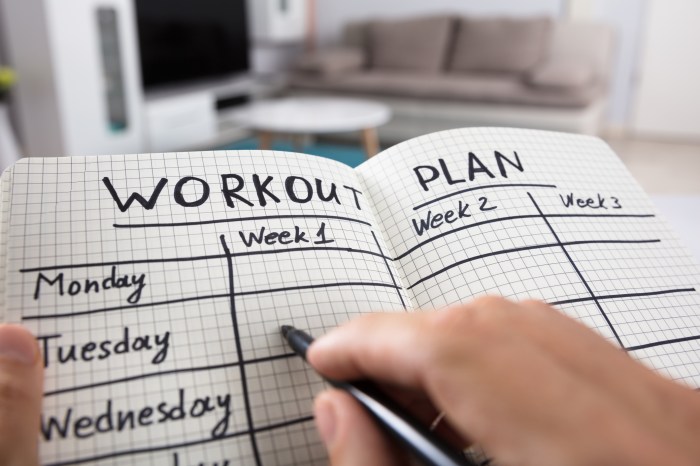
When it comes to supporting a home fitness routine, nutritional supplements can play a crucial role in helping individuals achieve their fitness goals. These supplements are designed to provide essential nutrients that may be lacking in a person’s diet, especially when following a rigorous exercise regimen.
Role of Nutritional Supplements, How to create a home fitness routine
Nutritional supplements can help fill in the gaps in your diet, ensuring that your body has all the necessary vitamins, minerals, and nutrients to support your fitness routine. They can aid in muscle recovery, energy levels, and overall performance during workouts.
- Protein supplements can help in muscle building and repair, especially after strength training exercises.
- Omega-3 fatty acids supplements can reduce inflammation and improve cardiovascular health, benefiting overall fitness levels.
- Multivitamins can ensure that you are getting all the essential vitamins and minerals needed for optimal health and performance.
Safe and Effective Use of Supplements
It is important to use nutritional supplements safely and effectively to avoid any adverse effects on your health. Here are some recommendations:
- Consult with a healthcare provider or a nutritionist before starting any new supplement regimen to ensure it is safe and suitable for your individual needs.
- Follow the recommended dosage instructions provided on the supplement packaging to prevent overconsumption.
- Choose reputable brands and products that have been tested for quality and purity to ensure you are getting a safe and effective supplement.
Importance of Balanced Diet
While nutritional supplements can be beneficial, they should not replace a balanced diet. It is essential to maintain a healthy and balanced diet to support your fitness goals and overall well-being.
Remember, supplements are meant to supplement your diet, not replace it entirely. Focus on consuming a variety of whole foods to ensure you are getting a wide range of nutrients.
Fitness Routine
Creating a personalized home fitness routine is a great way to stay active and healthy without needing to go to the gym. Here is a step-by-step guide to help you get started.
Types of Exercises for Home Workouts
When designing your home fitness routine, it’s important to incorporate a variety of exercises to target different muscle groups and keep things interesting. Here are some types of exercises you can include:
- Cardiovascular exercises (e.g., running in place, jumping jacks, high knees)
- Strength training exercises (e.g., bodyweight squats, push-ups, lunges)
- Flexibility exercises (e.g., yoga, stretching routines)
- Balance exercises (e.g., single-leg stands, heel-to-toe walk)
Importance of Consistency and Variety
Consistency is key when it comes to seeing results from your fitness routine. Aim to exercise at least 3-5 times a week and gradually increase the intensity as you get stronger. It’s also important to incorporate variety into your workouts to prevent boredom and plateaus. Try new exercises, change up your routine, and challenge yourself to keep making progress.
Health Screenings: How To Create A Home Fitness Routine
Regular health screenings play a crucial role in monitoring fitness progress and overall well-being. These screenings help in early detection and prevention of potential health issues, allowing individuals to take proactive measures to maintain their fitness levels.
Types of Health Screenings
- Body Composition Analysis: This screening helps in assessing the distribution of fat, muscle, and bone in the body, providing insights into overall fitness levels.
- Cardiovascular Screening: Tests like blood pressure monitoring, cholesterol levels, and ECG can help in assessing heart health and fitness.
- Blood Tests: Regular blood tests can indicate any underlying health issues that may affect fitness progress, such as vitamin deficiencies or hormonal imbalances.
Role in Early Detection and Prevention
Health screenings play a vital role in identifying potential health risks before they escalate into serious issues. By detecting abnormalities early, individuals can make lifestyle modifications and seek appropriate medical interventions to prevent complications and maintain their fitness goals.
Disease Prevention
Regular physical activity plays a crucial role in disease prevention. By incorporating a home fitness routine into your lifestyle, you can significantly reduce the risk of various illnesses and health conditions. Let’s explore the link between physical activity and disease prevention, along with examples of diseases that can be prevented through regular exercise.
Benefits of Physical Activity in Disease Prevention
- Physical activity helps maintain a healthy weight, reducing the risk of obesity-related diseases such as type 2 diabetes, heart disease, and certain cancers.
- Regular exercise boosts the immune system, making you less susceptible to infections and illnesses.
- Exercise improves cardiovascular health, lowering the risk of heart diseases like coronary artery disease, stroke, and high blood pressure.
- Physical activity can enhance mental health, reducing the risk of depression, anxiety, and cognitive decline.
Examples of Diseases Preventable Through Regular Exercise
- Heart Disease: Regular aerobic exercise can strengthen the heart muscle, improve blood circulation, and lower cholesterol levels, reducing the risk of heart disease.
- Type 2 Diabetes: Physical activity helps regulate blood sugar levels, increase insulin sensitivity, and control weight, decreasing the likelihood of developing type 2 diabetes.
- Osteoporosis: Weight-bearing exercises like walking, jogging, and strength training can increase bone density and prevent osteoporosis in the long run.
- Certain Cancers: Studies have shown that regular physical activity can reduce the risk of certain cancers, such as breast, colon, and lung cancer.
Sleep Hygiene
Good sleep hygiene is crucial for supporting a home fitness routine as it plays a significant role in overall health and well-being. Without proper rest, it can be challenging to maintain the energy levels needed for regular exercise and muscle recovery.
Importance of Good Sleep for Fitness Performance
Improving sleep quality is essential for enhancing fitness performance. Here are some tips to help you get better rest for optimal results:
- Avoid caffeine and heavy meals close to bedtime.
- Create a relaxing bedtime routine to signal your body that it’s time to sleep.
- Ensure your sleep environment is conducive to rest, with a comfortable mattress and pillows.
- Avoid electronic devices before bed, as the blue light can disrupt your sleep cycle.
Impact of Sleep on Recovery and Muscle Growth
Sleep plays a crucial role in the recovery and muscle growth process. During deep sleep, the body repairs and builds muscles, which is essential for progress in your fitness routine. Lack of sleep can lead to decreased muscle recovery, increased risk of injury, and hindered overall performance.
Mental Clarity
Maintaining mental clarity is essential for achieving optimal physical fitness. A clear mind can help you stay focused during home workouts, leading to better results and overall well-being.
Techniques for Improving Mental Focus
- Avoid distractions by setting up a designated workout space free from noise and interruptions.
- Practice mindfulness techniques such as deep breathing or meditation before starting your workout to clear your mind.
- Create a workout schedule and stick to it, establishing a routine can help improve mental focus.
- Listen to music or podcasts that motivate and inspire you during your workouts.
Enhancing Overall Fitness Results
- A clear mind can improve your performance during workouts, allowing you to push yourself further and achieve your fitness goals.
- Reducing stress and anxiety through mental clarity can lead to better recovery and muscle growth post-workout.
- Improved mental focus can help you maintain proper form and technique, reducing the risk of injury during exercise.
- Overall, mental clarity can enhance your motivation, consistency, and enjoyment of your home fitness routine, leading to long-term success.
Hydration Importance
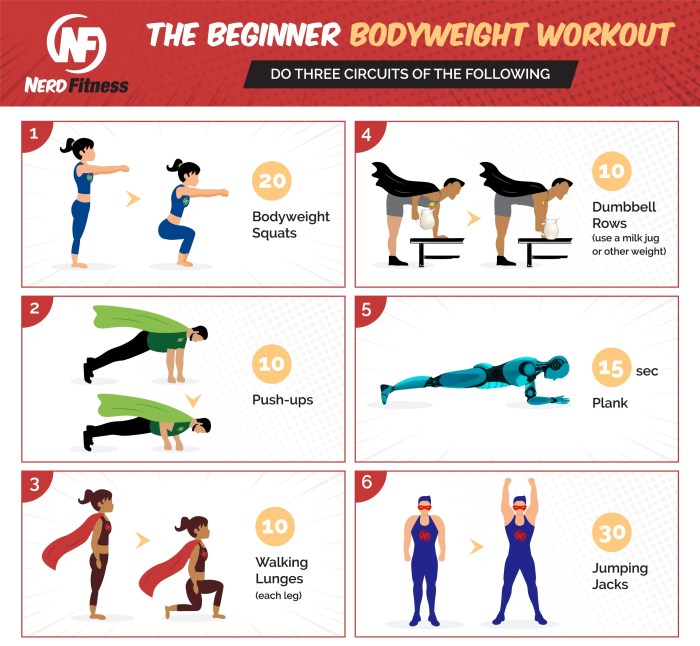
Proper hydration plays a crucial role in maximizing workout performance. Staying hydrated ensures that your body functions optimally during exercise, helping you maintain energy levels and endurance.
Guidelines for Hydration During Workouts
- Before a workout: Drink about 17-20 ounces of water 2-3 hours before exercising to ensure proper hydration levels.
- During a workout: Aim to drink 7-10 ounces of water every 10-20 minutes during your workout to replace fluids lost through sweat.
- After a workout: Replenish your fluids by consuming 16-24 ounces of water for every pound lost during exercise to hydrate your body effectively.
Signs of Dehydration and Impact on Fitness Routines
- Thirst: Feeling thirsty is a common sign of dehydration. It’s essential to drink water before you feel thirsty to prevent dehydration.
- Dark urine: Dark yellow urine indicates dehydration. Aim for light-colored urine as a sign of proper hydration.
- Cramping: Dehydration can lead to muscle cramps during workouts, affecting your performance and increasing the risk of injury.
- Decreased performance: Insufficient hydration can result in decreased energy levels, endurance, and overall performance during exercise.
FAQ Guide
How often should I change my home fitness routine?
It is recommended to switch up your routine every 4-6 weeks to prevent plateaus and keep your body challenged.
Can I create an effective home fitness routine without any equipment?
Absolutely! Bodyweight exercises like push-ups, squats, and planks can be highly effective in building strength and endurance.
Is it necessary to consult a fitness professional before starting a home workout routine?
While it’s not mandatory, consulting a fitness expert can help tailor a routine to your specific goals and ensure you’re exercising safely and effectively.



More Stories
Personalized Fitness for Beginners: A Step-by-Step Guide
Importance of hydration for athletes: The key to peak performance
How to use protein supplements for muscle growth: A Comprehensive Guide