Stress Management Techniques for Teachers
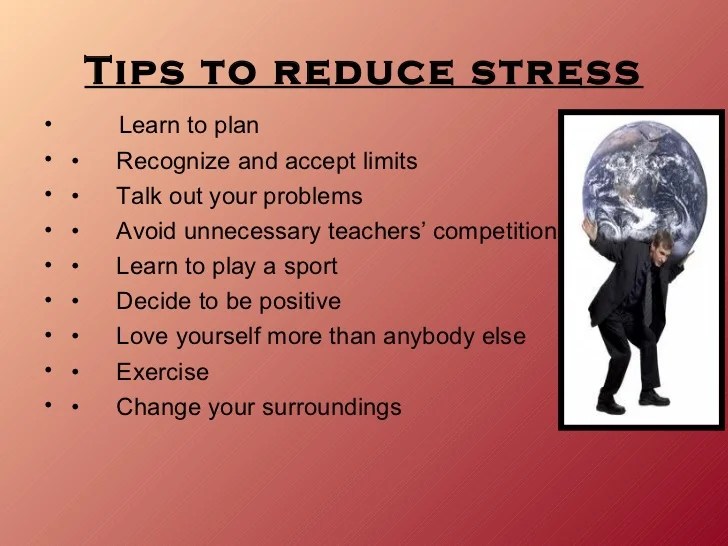
Stress management techniques for teachers – Teachers face various common stressors in their daily work, such as heavy workloads, time constraints, student behavior issues, and pressure to meet academic standards.
It is crucial for teachers to effectively manage stress for their overall well-being and mental health. High levels of stress can lead to burnout, exhaustion, and decreased job satisfaction, impacting both personal and professional life.
Practical Stress Management Techniques for Teachers
- Practice mindfulness and relaxation techniques, such as deep breathing exercises or meditation, to help reduce stress levels.
- Establish clear boundaries between work and personal life to prevent work-related stress from spilling over into personal time.
- Engage in regular physical activity to release endorphins and boost mood, which can help alleviate stress.
- Seek social support from colleagues, friends, or support groups to share experiences and coping strategies.
- Prioritize tasks and organize workload effectively to prevent feeling overwhelmed by responsibilities.
Impact of Stress Management on Teaching Effectiveness
Effective stress management can positively impact teaching effectiveness by improving focus, concentration, and overall job satisfaction. Teachers who are able to manage their stress levels are more likely to create a positive learning environment, establish better relationships with students, and maintain high levels of motivation and engagement in their work.
Healthy Lifestyle
Maintaining a healthy lifestyle is crucial for teachers to effectively manage stress and stay energized throughout the school year.
Components of a Healthy Lifestyle
- Regular Exercise: Engaging in physical activity helps reduce stress, improve mood, and boost overall health. Aim for at least 30 minutes of exercise most days of the week.
- Healthy Eating: Consuming a balanced diet rich in fruits, vegetables, whole grains, and lean proteins provides essential nutrients that support overall well-being.
- Adequate Sleep: Getting 7-9 hours of quality sleep each night is essential for cognitive function, mood regulation, and overall health.
- Stress Management Techniques: Incorporating relaxation techniques such as deep breathing, meditation, or yoga can help reduce stress levels and promote mental clarity.
Nutrition for Overall Well-Being
Proper nutrition plays a vital role in promoting overall well-being and supporting the body’s ability to cope with stress. A diet rich in fruits, vegetables, whole grains, and lean proteins provides essential nutrients and energy for teachers to stay focused and alert throughout the day.
Incorporating Physical Activity
Physical activity is important for maintaining a healthy lifestyle. Teachers can incorporate exercise into their daily routine by taking short walks during breaks, doing quick stretching exercises in between classes, or participating in group fitness classes after school.
Importance of Work-Life Balance
Work-life balance is essential for teachers to prevent burnout and maintain overall well-being. It is important to set boundaries, prioritize self-care, and make time for activities outside of work to recharge and relax.
Medical Innovations
In the realm of stress management, the medical field has seen significant advancements in utilizing innovative approaches to help individuals cope with stress. These medical innovations not only aim to reduce stress levels but also improve overall well-being and mental health.
Biofeedback Therapy
Biofeedback therapy is a technique that allows individuals to monitor and control their physiological responses, such as heart rate, muscle tension, and brainwaves. By providing real-time feedback, individuals can learn to manage these responses and reduce stress levels effectively. This therapy has shown promising results in helping individuals, including teachers, better cope with stress and anxiety.
Virtual Reality (VR) Therapy
Virtual reality therapy is a cutting-edge approach that immerses individuals in a simulated environment to help them manage stress and anxiety. Through virtual reality experiences, individuals can practice relaxation techniques, mindfulness, and exposure therapy in a controlled and safe setting. This innovative method has proven to be effective in reducing stress levels and improving mental well-being.
Mindfulness Apps and Wearable Devices
With the rise of technology, there has been a surge in mindfulness apps and wearable devices designed to help individuals incorporate mindfulness practices into their daily routine. These apps offer guided meditation sessions, breathing exercises, and stress management tools that can be easily accessed anytime, anywhere. Wearable devices, such as smartwatches, can track physiological markers of stress and provide personalized recommendations for stress reduction techniques. These technological advancements have made stress management more accessible and convenient for teachers and individuals alike.
Neurofeedback Training
Neurofeedback training is a form of brainwave biofeedback that helps individuals regulate their brain activity to improve cognitive function and emotional well-being. By monitoring brainwave patterns and providing feedback in real-time, individuals can learn to self-regulate their brain activity and reduce stress levels. This innovative approach has shown promising results in enhancing focus, attention, and emotional resilience, making it a valuable tool for teachers seeking to manage stress more effectively.
Nutritional Supplements
Nutritional supplements can play a crucial role in supporting a teacher’s stress management and overall well-being. They can help fill in the gaps in our diet and provide essential nutrients that may be lacking. However, it is important to choose safe and effective supplements to avoid any potential risks.
Common Nutritional Supplements
- Omega-3 fatty acids: Known for their anti-inflammatory properties, omega-3s can help reduce stress and improve mood.
- Vitamin D: Deficiency in vitamin D has been linked to mood disorders, so supplementing with it can help support mental health.
- Magnesium: A mineral that plays a key role in relaxation, magnesium can help reduce stress and anxiety.
Benefits and Risks of Supplements
- Benefits: Nutritional supplements can support overall well-being, improve mood, reduce stress, and boost energy levels.
- Potential risks: Some supplements may interact with medications or have side effects if taken in excess. It is important to consult a healthcare provider before adding new supplements to your diet.
Choosing Safe and Effective Supplements
- Look for supplements from reputable brands that have been tested for quality and purity.
- Check for third-party certifications like NSF International or USP to ensure the supplement meets safety standards.
- Avoid mega-dosing and stick to recommended dosages to prevent any adverse effects.
Supporting Overall Well-being
- Supplements can complement a healthy diet and lifestyle to support overall well-being and help manage stress.
- They can provide essential nutrients that may be lacking in our diet due to busy schedules or dietary restrictions.
- Consulting a healthcare provider or a nutritionist can help determine the right supplements for your individual needs.
Fitness Routine
Regular exercise is crucial for teachers to effectively manage stress levels and maintain overall well-being. By incorporating a fitness routine into their busy schedules, teachers can experience improved mental health and stress relief. Here are some examples of fitness routines suitable for teachers with hectic schedules:
Importance of Regular Exercise
Engaging in physical activity on a consistent basis not only helps teachers stay physically fit but also plays a significant role in managing stress levels. Regular exercise stimulates the release of endorphins, also known as “feel-good” hormones, which can help reduce feelings of anxiety and depression. Additionally, exercise promotes better sleep quality, boosts energy levels, and enhances cognitive function, all of which are essential for teachers to effectively handle the demands of their profession.
Creating a Personalized Fitness Plan
When creating a personalized fitness plan, teachers should consider their schedule constraints and personal preferences. It is important to choose activities that they enjoy and can easily incorporate into their daily routines. Setting specific, achievable fitness goals and gradually increasing the intensity of workouts can help teachers stay motivated and committed to their exercise regimen. It is also beneficial to mix different types of exercises, including cardiovascular, strength training, and flexibility exercises, to ensure a well-rounded fitness routine.
Contributions of Physical Activity to Mental Health
Engaging in physical activity not only improves physical health but also contributes to better mental health. Exercise has been shown to reduce symptoms of stress, anxiety, and depression, making it an effective tool for teachers to manage their mental well-being. The combination of increased endorphin levels, improved sleep quality, and enhanced cognitive function resulting from regular exercise can lead to better stress management and overall mental resilience for teachers.
Health Screenings
Regular health screenings are essential for teachers to ensure early detection of any potential health issues, which can ultimately help reduce stress and improve overall well-being. By prioritizing health screenings as part of their self-care routine, educators can better manage their health and prevent serious complications.
Common Health Screenings for Educators
- Annual Physical Exam: Includes measurements of blood pressure, cholesterol levels, and overall health assessment.
- Eye Exam: Regular eye check-ups can detect vision problems or other eye conditions.
- Dental Check-up: Dental screenings help maintain oral health and prevent dental issues.
- Skin Cancer Screening: Especially important for teachers who spend time outdoors, regular skin checks can detect skin cancer early.
- Mental Health Assessment: Mental health screenings can help identify stress, anxiety, or depression and provide necessary support.
Early detection through these screenings can lead to timely interventions and prevent health issues from escalating, ultimately reducing stress levels for teachers.
Scheduling and Prioritizing Health Screenings
- Plan Ahead: Schedule screenings in advance to ensure they are not overlooked or forgotten.
- Seek Guidance: Consult with healthcare providers to determine the frequency and timing of screenings based on individual health needs.
- Make Time: Prioritize health screenings as part of your self-care routine, just like lesson planning or grading papers.
- Stay Informed: Educate yourself on the importance of each screening and how it contributes to your overall well-being.
Disease Prevention: Stress Management Techniques For Teachers
Preventing diseases is crucial for teachers to maintain their health and well-being. By implementing strategies for disease prevention, teachers can minimize the risk of illnesses and focus on their profession with peace of mind.
Role of Vaccinations
- Getting vaccinated against common diseases such as flu, hepatitis, and tetanus can significantly reduce the chances of contracting these illnesses.
- Regularly updating vaccinations based on recommendations from healthcare professionals ensures optimal protection against preventable diseases.
- Encouraging colleagues and students to also get vaccinated creates a safer environment within the educational setting.
Creating a Healthy Environment
- Practicing good hygiene by washing hands frequently, sanitizing shared surfaces, and promoting respiratory etiquette can prevent the spread of germs.
- Maintaining proper ventilation, cleanliness, and organization in classrooms and common areas contributes to a healthy environment.
- Encouraging healthy habits such as regular exercise, balanced nutrition, and adequate rest among teachers and students fosters overall well-being.
Impact on Stress Reduction
- By prioritizing disease prevention, teachers can alleviate the stress associated with potential health concerns and absences due to illnesses.
- Avoiding the complications and disruptions caused by preventable diseases allows teachers to focus on their professional responsibilities and personal growth.
- Maintaining a healthy environment and staying proactive in disease prevention efforts promote a sense of control and empowerment over one’s well-being.
Sleep Hygiene
Sleep hygiene refers to a set of practices and habits that are necessary for a good night’s sleep. For teachers, ensuring proper sleep hygiene is crucial as it directly impacts their performance, focus, and overall well-being.
Common Sleep Hygiene Practices
- Avoiding caffeine and heavy meals close to bedtime.
- Establishing a regular sleep schedule and sticking to it even on weekends.
- Creating a relaxing bedtime routine, such as reading or taking a warm bath.
- Keeping the bedroom dark, quiet, and at a comfortable temperature.
- Avoiding screens like phones or laptops before bed as the blue light can disrupt sleep.
Creating a Conducive Sleep Environment
- Investing in a comfortable mattress and pillows for optimal support.
- Using blackout curtains or eye masks to block out light pollution.
- Using white noise machines or earplugs to drown out any disruptive sounds.
- Avoiding clutter in the bedroom to create a calming and peaceful environment.
Relationship Between Sleep Quality, Stress Levels, and Overall Well-being
Proper sleep hygiene is directly linked to reduced stress levels and improved overall well-being. When teachers prioritize good sleep habits, they are better equipped to handle the demands of their profession, leading to increased productivity and job satisfaction.
Mental Clarity
Maintaining mental clarity is essential for teachers to effectively manage stress and stay focused in the classroom. By implementing specific techniques, educators can enhance their cognitive abilities and overall well-being.
Mindfulness Practices
- Engage in daily mindfulness meditation to cultivate a sense of present-moment awareness and reduce stress levels.
- Practice deep breathing exercises to calm the mind and improve focus during teaching sessions.
- Utilize mindfulness techniques such as body scans and mindful walking to enhance mental clarity and concentration.
Managing Cognitive Load, Stress management techniques for teachers
- Break down complex tasks into smaller, manageable steps to avoid cognitive overload and maintain mental sharpness.
- Use organizational tools like planners and digital apps to prioritize tasks and reduce mental clutter.
- Take regular breaks throughout the day to prevent mental fatigue and enhance productivity.
Productivity and Stress Management
- Enhancing mental clarity through mindfulness and cognitive load management can lead to increased productivity in lesson planning and classroom activities.
- Reducing stress levels by improving focus and concentration can positively impact overall teacher well-being and job satisfaction.
- By prioritizing mental clarity, teachers can create a positive learning environment for students and effectively manage challenging situations.
Hydration Importance
Staying hydrated is crucial for overall health and well-being. Our bodies depend on water to function properly, and dehydration can lead to a range of health issues.
Tips for Ensuring Adequate Hydration
- Carry a reusable water bottle and sip on water throughout the day.
- Set reminders or create a schedule to drink water at regular intervals.
- Infuse water with fruits or herbs for added flavor to encourage consumption.
Impact of Dehydration on Cognitive Function and Stress Levels
Dehydration can impair cognitive function, leading to difficulties in concentration, memory, and decision-making. It can also exacerbate stress levels, making it harder to manage daily challenges.
Hydrating Beverages for Teachers
- Water: The best choice for hydration, plain water helps maintain bodily functions and improve overall health.
- Herbal Tea: Herbal teas like chamomile or peppermint can provide hydration along with calming effects on the mind.
- Coconut Water: Rich in electrolytes, coconut water is a great option for replenishing lost fluids and minerals.
Helpful Answers
How can teachers effectively manage stress in the classroom?
Teachers can manage stress by practicing mindfulness, setting boundaries, seeking support from colleagues, and engaging in regular physical activity.
What role does work-life balance play in teacher well-being?
Work-life balance is essential for preventing burnout and maintaining overall health. Teachers should prioritize self-care and allocate time for relaxation and personal pursuits outside of work.
Are there specific stress management techniques tailored for educators?
Yes, educators can benefit from techniques such as deep breathing exercises, time management strategies, and creating a supportive network of fellow teachers.


More Stories