Stress Management Activities for Teens
Stress management activities for teens – Teenagers today face a multitude of stressors, from academic pressures to social challenges. It is crucial for teens to incorporate stress-relieving activities into their daily routines to maintain their mental and emotional well-being. Here are some examples of stress management activities suitable for teenagers:
Mindfulness and Meditation
Practicing mindfulness and meditation can help teens stay present and reduce feelings of anxiety and overwhelm. Encouraging deep breathing exercises and guided meditation sessions can be beneficial in calming the mind.
Physical Exercise
Engaging in physical activities such as yoga, running, or dancing can help teens release pent-up energy and stress. Exercise is known to boost endorphins, which are natural mood lifters, and improve overall mental health.
Creative Outlets
Encouraging teens to explore creative outlets like painting, writing, or playing music can provide a healthy way to express emotions and unwind. Engaging in art or music therapy can be particularly beneficial for teens struggling with stress.
Social Support
Building strong social connections and seeking support from friends, family, or counselors can help teens feel understood and supported during challenging times. Talking about their feelings and experiences can alleviate stress and foster a sense of belonging.
Time Management and Organization
Teaching teens effective time management skills and organizational strategies can help reduce feelings of being overwhelmed by academic or extracurricular demands. Setting realistic goals and priorities can prevent stress from building up.
Healthy Lifestyle for Teenagers
Maintaining a healthy lifestyle is crucial for teenagers as it plays a significant role in their overall well-being. A healthy lifestyle encompasses various aspects such as diet, exercise, and mental well-being, all of which contribute to stress management in teens.
Diet
Eating a balanced diet rich in fruits, vegetables, whole grains, and lean proteins is essential for teenagers. Avoiding excessive consumption of processed foods, sugary snacks, and beverages can help regulate energy levels and mood, reducing stress and promoting overall health.
Exercise
Regular physical activity is vital for teenagers to stay fit and maintain a healthy lifestyle. Engaging in activities such as sports, jogging, dancing, or even yoga can help reduce stress levels by releasing endorphins, also known as the “feel-good” hormones.
Mental Well-being
Taking care of mental health is equally important for teenagers. Practices like mindfulness, meditation, journaling, or seeking therapy can help manage stress and improve overall well-being. It’s essential for teens to prioritize self-care and seek help when needed.
Tips for Maintaining a Balanced Lifestyle
- Plan and prioritize meals to ensure a healthy diet.
- Schedule regular exercise sessions and make physical activity a part of your routine.
- Practice relaxation techniques like deep breathing or progressive muscle relaxation to manage stress.
- Get enough sleep to rejuvenate your body and mind.
- Limit screen time and make time for social interactions and hobbies.
Medical Innovations in Teen Stress Management
Managing stress is crucial for teenagers, and medical innovations play a significant role in providing effective solutions. Let’s explore some of the latest advancements in medical approaches specifically aimed at helping teens cope with stress.
Telemedicine and Digital Health Platforms
Telemedicine and digital health platforms have revolutionized the way healthcare services are delivered, including stress management support for teenagers. These platforms allow teens to access mental health professionals and resources from the comfort of their homes, providing a convenient and confidential way to seek help.
Biofeedback Technology
Biofeedback technology is a cutting-edge innovation that helps teenagers manage stress by monitoring physiological responses such as heart rate, breathing patterns, and muscle tension. By providing real-time feedback, teens can learn to control their body’s stress responses effectively.
Virtual Reality Therapy
Virtual reality therapy is a novel approach that immerses teenagers in virtual environments designed to reduce stress and anxiety. By engaging in virtual scenarios that promote relaxation and mindfulness, teens can learn coping strategies and improve their mental well-being.
Nutritional Supplements for Teen Stress Management
When it comes to managing stress in teenagers, incorporating key nutritional supplements into their diet can play a significant role. These supplements can help support the body during times of stress and promote overall well-being. However, it is essential to consult healthcare professionals before introducing any supplements to a teen’s diet to ensure safety and effectiveness.
Key Nutritional Supplements for Teen Stress Management
Here are some key nutritional supplements that are beneficial for reducing stress in teenagers:
- Vitamin B Complex: This group of vitamins, including B1, B2, B3, B6, B9, and B12, plays a crucial role in supporting the nervous system and reducing stress levels.
- Magnesium: Magnesium is known for its calming effects on the body and can help alleviate symptoms of stress and anxiety.
- Omega-3 Fatty Acids: Essential fatty acids like EPA and DHA found in fish oil can support brain health and reduce stress levels.
- Vitamin D: Adequate levels of vitamin D have been linked to improved mood and can help combat symptoms of depression and anxiety.
Supporting Vitamins and Minerals for Stress Management
Various vitamins and minerals play a crucial role in supporting the body during times of stress:
- Vitamin C: This antioxidant vitamin can help reduce the levels of stress hormones in the body and boost the immune system.
- Zinc: Zinc is essential for maintaining a healthy immune system and can support the body’s response to stress.
- Iron: Adequate iron levels are important for overall energy levels and can help combat fatigue often associated with stress.
Consulting Healthcare Professionals
Before incorporating any nutritional supplements into a teen’s diet, it is important to consult healthcare professionals such as doctors or dietitians. They can provide guidance on the appropriate dosage, potential interactions with medications, and ensure that the supplements are safe for the teenager’s individual health needs.
Fitness Routine for Stress Relief in Teens
Regular physical activity plays a crucial role in managing stress levels in teenagers. It not only helps in improving physical health but also has a significant impact on mental well-being. Here, we will explore a fitness routine suitable for teens to relieve stress and discuss the benefits of maintaining such a routine.
Benefits of Regular Physical Activity on Stress Levels in Adolescents
- Reduces levels of stress hormones: Engaging in physical activity helps in reducing the production of stress hormones like cortisol, which are linked to anxiety and depression.
- Improves mood: Exercise releases endorphins, also known as “feel-good” hormones, which can help elevate mood and reduce feelings of stress and tension.
- Promotes better sleep: Regular physical activity can improve the quality of sleep, which is essential for managing stress and overall well-being.
- Enhances self-esteem: Achieving fitness goals and staying active can boost self-confidence and self-esteem, contributing to better stress management.
Tips for Teens to Stay Motivated in Fitness Routine
- Set realistic goals: Start with achievable fitness goals and gradually increase intensity to avoid burnout and stay motivated.
- Find activities you enjoy: Choose physical activities that you find fun and enjoyable to make it easier to stick to your routine.
- Stay consistent: Establish a regular exercise schedule and make it a priority to maintain consistency in your fitness routine.
- Track your progress: Keep a record of your workouts and progress to track improvements and stay motivated to reach your fitness goals.
Importance of Health Screenings for Teens
Regular health screenings play a crucial role in detecting and managing stress-related health issues in teenagers. These screenings help monitor physical and mental well-being, allowing for early intervention and prevention of long-term health problems associated with stress.
Common Health Screenings for Teens
- Annual physical exams: These exams assess overall health, including measuring height, weight, blood pressure, and checking for any underlying health conditions.
- Mental health screenings: Screening for anxiety, depression, or other mental health concerns is essential for early intervention and appropriate treatment.
- Cholesterol screening: Monitoring cholesterol levels can help prevent cardiovascular issues, which can be exacerbated by stress.
- Blood sugar tests: Regular monitoring of blood sugar levels can help detect early signs of diabetes, which can be influenced by stress and lifestyle factors.
Benefits of Health Screenings for Teens
- Early detection: Health screenings can identify health issues before they become more serious, allowing for timely intervention.
- Preventive care: By monitoring health parameters regularly, teens can take preventive measures to avoid long-term consequences of stress on their health.
- Educational opportunities: Health screenings can also serve as educational tools, helping teens understand the importance of healthy lifestyle choices and stress management.
Disease Prevention Strategies for Teenagers
Stress can have a significant impact on the overall health and well-being of teenagers, making them more susceptible to certain diseases. It is crucial for teens to adopt disease prevention strategies to minimize the risk of developing health conditions. By incorporating proactive measures into their lifestyle, teenagers can improve their overall health and reduce the negative effects of stress on their bodies.
Proper Nutrition
- Eat a balanced diet rich in fruits, vegetables, whole grains, and lean proteins to support overall health and immune function.
- Avoid excessive consumption of sugary snacks, processed foods, and high-fat meals that can contribute to inflammation and weaken the immune system.
- Stay hydrated by drinking an adequate amount of water throughout the day to support proper bodily functions and flush out toxins.
Regular Exercise
- Engage in regular physical activity such as walking, jogging, cycling, or sports to boost immunity, reduce stress levels, and maintain a healthy weight.
- Include strength training exercises to build muscle strength, improve cardiovascular health, and enhance overall well-being.
- Practice relaxation techniques like yoga or meditation to calm the mind, reduce anxiety, and promote better sleep quality.
Adequate Sleep
- Establish a consistent sleep schedule by going to bed and waking up at the same time every day to ensure proper rest and rejuvenation.
- Create a relaxing bedtime routine to unwind before sleep, including avoiding screens, caffeine, and stimulating activities close to bedtime.
- Ensure the bedroom environment is conducive to sleep by keeping it dark, quiet, and at a comfortable temperature for optimal rest.
Implementing Sleep Hygiene Practices for Teen Stress Management
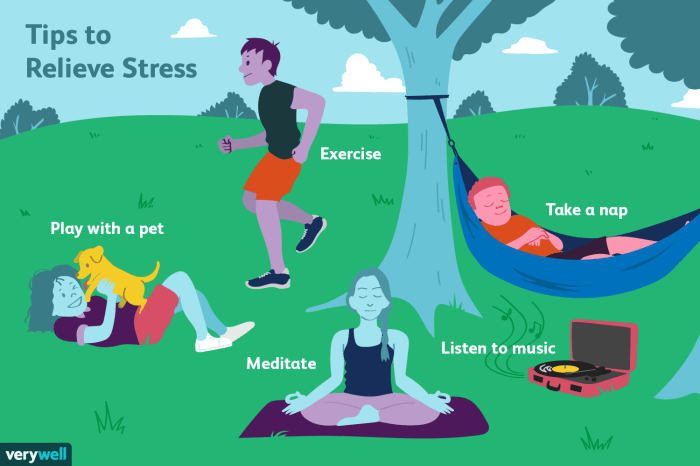
Effective sleep hygiene practices are essential for improving stress management in teenagers. Quality sleep plays a crucial role in a teen’s overall well-being and can significantly impact their stress levels. By implementing proper sleep hygiene practices, teens can better cope with stress and improve their mental and physical health.
Creating a Conducive Sleep Environment
- Avoid exposure to screens (phones, tablets, computers) before bedtime as the blue light can disrupt sleep patterns.
- Keep the bedroom dark, quiet, and at a comfortable temperature to promote better sleep.
- Invest in a comfortable mattress and pillows to ensure a good night’s rest.
Establishing a Bedtime Routine
- Set a consistent sleep schedule by going to bed and waking up at the same time every day, even on weekends.
- Engage in relaxing activities before bedtime, such as reading a book or taking a warm bath, to signal to the body that it’s time to wind down.
- Avoid consuming caffeine or heavy meals close to bedtime to prevent disruptions in sleep.
Mental Clarity Techniques for Teens: Stress Management Activities For Teens
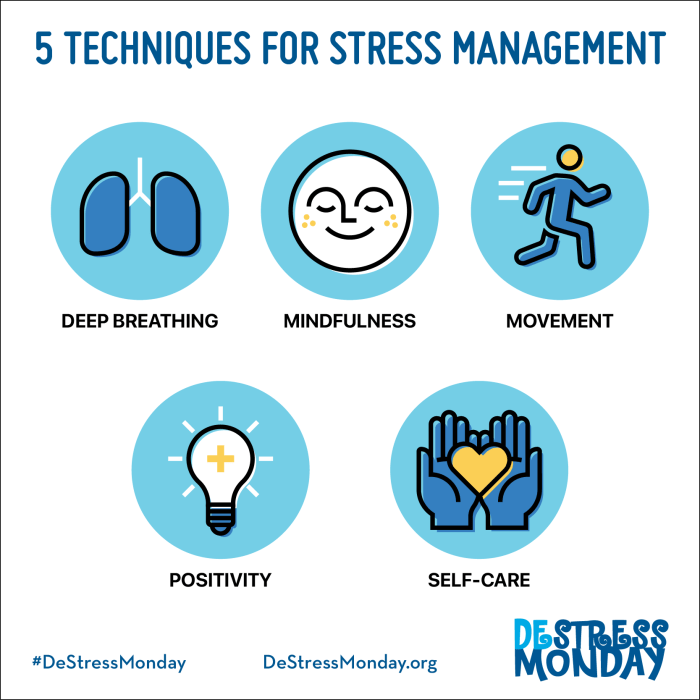
Maintaining mental clarity is essential for teenagers to cope with stress and navigate through their daily challenges. By incorporating mindfulness practices, meditation, and other mental clarity exercises into their routine, teens can improve their focus and emotional well-being.
Mindfulness Practices
- Practicing deep breathing exercises to calm the mind and reduce stress levels.
- Engaging in mindful walking or yoga to enhance concentration and awareness of the present moment.
- Keeping a gratitude journal to cultivate a positive outlook and appreciation for the little things in life.
Meditation Techniques
- Guided meditation sessions to relax the mind and body, promoting a sense of inner peace.
- Body scan meditation to increase self-awareness and release tension from different parts of the body.
- Loving-kindness meditation to foster compassion towards oneself and others, reducing negative emotions.
Other Mental Clarity Exercises
- Visualization techniques to imagine positive outcomes and boost motivation and confidence.
- Journaling thoughts and feelings to process emotions and gain clarity on personal experiences.
- Engaging in creative activities like painting, music, or dancing to express emotions and promote relaxation.
Importance of Hydration for Teen Stress Management
Proper hydration plays a crucial role in managing stress and promoting overall health in teenagers. Dehydration can have a significant impact on stress levels and cognitive function in adolescents. Here are some tips on how teens can ensure they stay adequately hydrated throughout the day.
Benefits of Hydration for Teen Stress Management, Stress management activities for teens
- Hydration helps regulate mood and reduce feelings of anxiety and stress.
- Proper fluid intake supports brain function and cognitive performance, improving focus and concentration.
- Hydration aids in the efficient transport of nutrients and oxygen throughout the body, essential for overall well-being.
Tips for Ensuring Teenagers Stay Hydrated
- Carry a reusable water bottle and sip on water throughout the day, especially during physical activity or when feeling stressed.
- Include hydrating foods in the diet, such as fruits and vegetables with high water content like watermelon, cucumber, and oranges.
- Avoid excessive consumption of sugary drinks and caffeinated beverages, as they can contribute to dehydration.
- Set reminders on electronic devices to prompt regular water intake and establish a hydration routine.
FAQ Summary
How can teenagers incorporate stress-relieving activities into their daily routine?
Teenagers can integrate stress-relieving activities by scheduling regular exercise, practicing mindfulness or meditation, engaging in hobbies they enjoy, and ensuring adequate rest and sleep.
Are nutritional supplements safe for teenagers to use for stress management?
It’s important for teenagers to consult healthcare professionals before incorporating nutritional supplements into their diet to ensure safety and effectiveness.
What are some innovative medical approaches for teen stress management?
Innovative approaches may include telemedicine services, digital health platforms, biofeedback techniques, or virtual counseling sessions tailored to teenagers’ specific stress management needs.



More Stories