Latest medical innovations in gene therapy for treating genetic disorders are revolutionizing healthcare, offering hope to millions affected by inherited conditions. This groundbreaking field has witnessed remarkable advancements, leading to novel therapies that target the root cause of genetic diseases.
Gene therapy, once a distant dream, is now a reality, with clinical trials demonstrating its potential to alleviate symptoms, improve quality of life, and even cure certain genetic disorders.
The development of gene editing techniques, such as CRISPR-Cas9, has opened up unprecedented possibilities for precise genetic manipulation. These technologies allow scientists to target specific genes responsible for genetic diseases and correct or replace faulty DNA sequences. This precision has significantly enhanced the efficacy and safety of gene therapy, paving the way for a new era of personalized medicine.
Challenges and Ethical Considerations
While gene therapy holds immense promise, it’s not without its challenges and ethical considerations. These factors need careful consideration as the field continues to advance.
Delivery Methods
Delivering genes to the target cells in a safe and efficient manner remains a significant hurdle. Several methods are being explored, each with its own advantages and drawbacks.
- Viral Vectors:Viruses have evolved to efficiently deliver genetic material into cells. Modified viruses, such as adeno-associated viruses (AAVs), are commonly used as vectors in gene therapy. While effective, viral vectors can trigger immune responses and may have limited carrying capacity.
- Non-Viral Vectors:These include liposomes, nanoparticles, and other synthetic carriers. They offer advantages like lower immunogenicity and greater flexibility in carrying larger genetic payloads. However, their efficiency in delivering genes to target cells is often lower than viral vectors.
- Direct Gene Delivery:This method involves physically introducing genes into cells, often using techniques like electroporation or gene guns. While promising, it is less widely used due to its limited effectiveness and potential for cell damage.
Off-Target Effects
Gene therapy aims to target specific genes, but there is a risk of unintended effects on other genes, known as off-target effects. These can lead to unexpected consequences and potentially harmful side effects.
- Insertional Mutagenesis:Viral vectors can sometimes integrate into the host genome at unintended locations, disrupting gene function and potentially causing cancer.
- Immune Responses:The body’s immune system can recognize viral vectors or the gene product as foreign, leading to inflammation and even rejection of the therapy.
- Toxicity:High doses of gene therapy vectors or the gene product itself can cause toxicity to cells and tissues.
Long-Term Safety
Long-term safety remains a crucial concern, as the effects of gene therapy can persist for years or even a lifetime. While some therapies have shown promising results in clinical trials, it is essential to monitor patients for potential long-term complications.
- Persistence of Gene Expression:Ensuring that gene expression remains stable and controlled over time is crucial to prevent unwanted side effects.
- Cumulative Effects:Repeated gene therapy treatments could potentially lead to unforeseen cumulative effects on the body.
- Unforeseen Interactions:Gene therapy could interact with other medications or existing medical conditions in unpredictable ways.
Ethical Considerations
Gene therapy raises significant ethical concerns that need careful consideration.
- Informed Consent:Patients must be fully informed about the risks, benefits, and uncertainties associated with gene therapy before making an informed decision.
- Access to Treatment:Ensuring equitable access to gene therapy for all who need it is a critical ethical concern. The high cost of development and treatment could create disparities in access.
- Genetic Engineering:Gene therapy raises concerns about the potential for unintended genetic changes and the ethical implications of modifying the human germline.
The Role of Technology in Gene Therapy
The advent of gene therapy has been made possible by significant advancements in technology, particularly in the fields of molecular biology and bioengineering. These technologies have not only enabled the identification and manipulation of genes but have also paved the way for the development of safe and efficient delivery systems for gene therapy.
Gene Sequencing and Bioinformatics
The ability to analyze and manipulate genes is fundamental to gene therapy. Advancements in gene sequencing technologies have revolutionized our understanding of the human genome, enabling the identification of specific genes responsible for genetic disorders. These technologies have allowed researchers to pinpoint the precise genetic mutations responsible for a wide range of diseases, paving the way for the development of targeted gene therapy treatments.
Bioinformatics, the application of computational tools to biological data, plays a crucial role in analyzing the vast amounts of genetic data generated by sequencing. Bioinformatics tools help identify gene targets, design gene therapy vectors, and predict potential side effects.
Impact on Patient Care and Quality of Life
Gene therapy holds immense promise for revolutionizing patient care and improving the quality of life for individuals living with genetic disorders. This innovative approach offers the potential to address the root cause of these conditions, leading to a range of benefits that extend beyond symptom management.
Improved Quality of Life and Reduced Symptoms
Gene therapy aims to correct the underlying genetic defect responsible for a particular disorder, leading to a significant reduction in symptoms and an overall improvement in quality of life. This can manifest in various ways, depending on the specific condition being treated.
For instance, in the case of cystic fibrosis, gene therapy could potentially restore lung function, reduce the frequency of infections, and improve overall respiratory health. Similarly, in Duchenne muscular dystrophy, gene therapy could slow down muscle degeneration, enhance muscle strength, and improve mobility.
By directly addressing the genetic root of these diseases, gene therapy has the potential to transform the lives of patients and their families.
Extended Lifespan
For many genetic disorders, the current treatment options primarily focus on managing symptoms and slowing down disease progression. However, gene therapy offers the potential to extend lifespan by addressing the underlying genetic cause. By correcting the defective gene, gene therapy can potentially prevent or significantly delay the onset of disease-related complications, ultimately improving long-term survival.
While the long-term effects of gene therapy are still being studied, early results suggest that it could have a profound impact on the lifespan of patients with genetic disorders.
Impact on Healthcare Systems and Costs
The successful implementation of gene therapy could have a significant impact on healthcare systems and costs. While the initial development and implementation of gene therapy treatments may be expensive, the long-term benefits could potentially lead to cost savings in the long run.
By reducing the need for frequent hospitalizations, medications, and other interventions, gene therapy could alleviate the financial burden associated with managing chronic genetic disorders. Additionally, the potential for improved quality of life and extended lifespan could lead to increased productivity and reduced healthcare costs in the long term.
However, it is important to note that the cost-effectiveness of gene therapy will need to be carefully evaluated in different clinical settings and populations.
Stress Management and Healthy Lifestyle
Living with a genetic disorder can be challenging, both physically and emotionally. Navigating diagnosis, treatment, and potential limitations can create significant stress, impacting overall well-being. However, incorporating stress management techniques and adopting a healthy lifestyle can significantly improve quality of life and support treatment outcomes.
Strategies for Managing Stress
Stress management techniques can help individuals cope with the emotional challenges associated with genetic disorders. These techniques can reduce anxiety, improve sleep quality, and enhance overall mental health.
- Mindfulness and Meditation:These practices involve focusing on the present moment, observing thoughts and feelings without judgment. Regular meditation can reduce stress hormones, improve emotional regulation, and promote relaxation.
- Deep Breathing Exercises:Deep, slow breaths can activate the parasympathetic nervous system, promoting relaxation and reducing stress. Techniques like diaphragmatic breathing can help regulate heart rate and blood pressure.
- Yoga and Tai Chi:These mind-body practices combine physical postures, breathing techniques, and meditation, promoting flexibility, balance, and stress reduction.
- Support Groups:Connecting with others who understand the challenges of living with a genetic disorder can provide a sense of community, shared experiences, and emotional support.
The Importance of a Healthy Lifestyle
Maintaining a healthy lifestyle is crucial for individuals with genetic disorders. A balanced diet, regular exercise, and adequate sleep can strengthen the body’s natural defenses, improve overall health, and enhance treatment effectiveness.
Nutrition
A balanced diet plays a significant role in managing genetic disorders.
- Nutrient-Rich Foods:Focus on consuming foods rich in vitamins, minerals, and antioxidants, which support cellular function and immune health. This includes fruits, vegetables, whole grains, lean proteins, and healthy fats.
- Hydration:Adequate water intake is essential for maintaining bodily functions and supporting overall health.
- Avoiding Processed Foods:Processed foods often contain high levels of sugar, unhealthy fats, and additives, which can negatively impact health and hinder treatment effectiveness.
Exercise
Regular physical activity offers numerous benefits for individuals with genetic disorders.
- Improved Cardiovascular Health:Exercise strengthens the heart and lungs, improving circulation and overall cardiovascular health.
- Enhanced Muscle Strength and Endurance:Exercise helps maintain muscle mass and improve physical function, which can be particularly beneficial for individuals with conditions affecting mobility.
- Stress Reduction:Physical activity releases endorphins, which have mood-boosting and stress-reducing effects.
Sleep, Latest medical innovations in gene therapy for treating genetic disorders
Adequate sleep is essential for overall health and well-being.
- Rest and Repair:During sleep, the body repairs and regenerates tissues, strengthens the immune system, and regulates hormones.
- Improved Cognitive Function:Sufficient sleep improves focus, concentration, and memory, which are crucial for managing health conditions and making informed decisions about treatment.
- Reduced Stress and Anxiety:Sleep deprivation can increase stress and anxiety levels, while adequate sleep promotes relaxation and emotional well-being.
Medical Innovations Beyond Gene Therapy
While gene therapy holds immense promise for treating genetic disorders, it’s not the only revolutionary approach emerging in the field of personalized medicine. Other innovative treatments are rapidly evolving, offering alternative or complementary solutions for patients with genetic conditions. These advancements are driven by a deeper understanding of human genetics and the development of cutting-edge technologies.
Personalized Medicine
Personalized medicine is a tailored approach to healthcare that considers an individual’s unique genetic makeup, lifestyle, and environmental factors. This approach aims to optimize treatment strategies and prevent disease by understanding the specific genetic variations that influence an individual’s response to medication or susceptibility to disease.
- Pharmacogenomics: This branch of personalized medicine focuses on the genetic variations that influence drug metabolism and response. By analyzing an individual’s DNA, healthcare professionals can predict how they will respond to specific medications, optimizing dosage and minimizing adverse effects.
For instance, certain genetic variations can impact the effectiveness of chemotherapy drugs, allowing for more targeted and personalized treatment plans for cancer patients.
- Genetic Testing: Advancements in genetic testing allow for the identification of disease-causing mutations, predisposition to certain conditions, and even the prediction of drug response. This information empowers individuals to make informed decisions about their health, including lifestyle modifications, preventive measures, and early intervention strategies.
For example, genetic testing can identify individuals at higher risk for certain cancers, allowing for proactive screening and early detection.
Personalized medicine complements gene therapy by providing a holistic approach to managing genetic disorders. While gene therapy focuses on directly correcting the underlying genetic defect, personalized medicine considers the broader individual context, optimizing treatment strategies and minimizing potential complications.
Stem Cell Therapy
Stem cell therapy involves the use of undifferentiated cells that have the potential to develop into various specialized cell types. This approach holds immense promise for treating genetic disorders by replacing damaged or malfunctioning cells with healthy ones.
- Embryonic Stem Cells: These cells are derived from early-stage embryos and have the ability to differentiate into any cell type in the body. They offer the greatest potential for therapeutic applications, but their use raises ethical concerns due to the destruction of embryos.
- Adult Stem Cells: These cells are found in various tissues throughout the body and have a more limited differentiation capacity compared to embryonic stem cells. However, they offer an ethically less controversial alternative, as their use does not involve embryo destruction.
- Induced Pluripotent Stem Cells (iPSCs): These cells are generated by reprogramming adult cells to regain their pluripotency, effectively creating embryonic stem cell-like cells without using embryos. This approach offers a promising solution to ethical concerns and opens new avenues for personalized stem cell therapy.
Stem cell therapy can complement gene therapy by providing a source of healthy cells that can be genetically modified or used to replace damaged tissues. For instance, stem cell therapy could be used to generate genetically corrected cells for transplantation in patients with genetic disorders, or to create new tissues that are resistant to disease.
Future Directions in Gene Therapy Research

Gene therapy research is rapidly advancing, opening doors to new possibilities for treating a wide range of genetic disorders. While current therapies have shown promise, the field continues to evolve, focusing on improving existing approaches and exploring new frontiers.
Expanding Therapeutic Targets
The potential of gene therapy extends beyond currently treated disorders. Future research will focus on developing therapies for more complex genetic conditions, including those with multiple gene mutations or those involving complex biological pathways. This will require a deeper understanding of the underlying genetic mechanisms and the development of sophisticated gene editing and delivery techniques.
- Multifactorial Disorders:Research will explore gene therapy for complex disorders like heart disease, diabetes, and neurodegenerative diseases, which are influenced by multiple genes and environmental factors. These therapies may involve targeting multiple genes or modulating specific pathways to achieve therapeutic effects.
- Rare Diseases:Gene therapy holds immense potential for treating rare diseases, which often lack effective treatments. Research will focus on developing personalized therapies tailored to the specific genetic mutations associated with each rare disease. This may involve gene replacement, gene editing, or gene silencing strategies.
Improving Delivery Systems
Effective delivery of therapeutic genes to target cells remains a critical challenge in gene therapy. Future research will focus on developing safer, more efficient, and targeted delivery systems.
- Viral Vectors:Current gene therapy relies heavily on viral vectors, but these can trigger immune responses and have limited cargo capacity. Research is exploring next-generation viral vectors with enhanced safety profiles and improved gene delivery efficiency. Examples include adeno-associated virus (AAV) variants with optimized capsid structures and lentiviral vectors with enhanced targeting capabilities.
- Non-Viral Delivery:Non-viral delivery systems, such as lipid nanoparticles and synthetic polymers, offer an alternative approach to gene delivery. These systems are less immunogenic than viral vectors and can be tailored to specific target cells. Research is ongoing to improve their efficiency and overcome limitations related to cellular uptake and intracellular trafficking.
Gene Editing Advancements
Gene editing technologies, such as CRISPR-Cas9, have revolutionized gene therapy by enabling precise modification of the genome. Future research will focus on refining these technologies and exploring their applications for a wider range of genetic disorders.
- Precision Editing:Research will focus on developing gene editing tools with increased accuracy and specificity, minimizing off-target effects and ensuring precise gene modifications. This will involve optimizing guide RNA design, improving the targeting efficiency of Cas9 enzymes, and developing novel gene editing systems with enhanced precision.
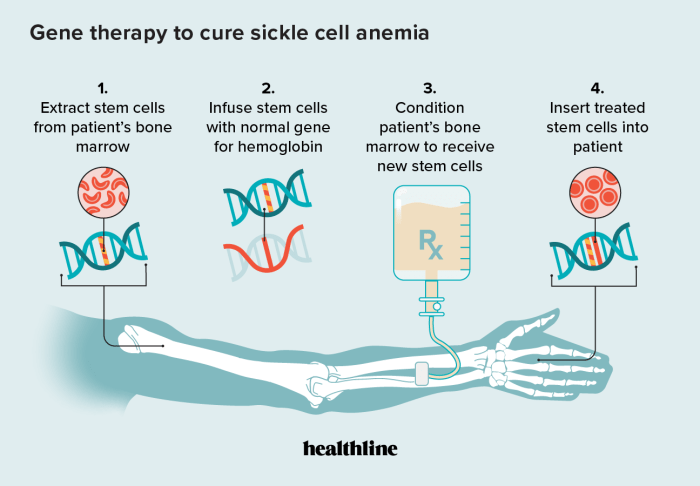
- In Vivo Editing:Current gene editing therapies primarily involve ex vivo gene editing, where cells are removed from the body, edited, and then reintroduced. Future research will focus on developing in vivo gene editing therapies, where gene editing is performed directly within the body.
This approach offers the potential for treating a wider range of diseases and eliminating the need for complex cell manipulation procedures.
Ethical and Societal Implications
As gene therapy evolves, it raises ethical and societal concerns that require careful consideration. These concerns include accessibility, equity, safety, and the potential for genetic enhancement.
- Accessibility and Equity:Gene therapy is currently expensive and may not be readily available to all patients. Research will focus on developing cost-effective therapies and ensuring equitable access for all individuals, regardless of their socioeconomic status.
- Safety and Long-Term Effects:Long-term safety and efficacy of gene therapy are crucial considerations. Research will focus on developing robust safety protocols and conducting long-term follow-up studies to assess the potential for unintended consequences.
- Genetic Enhancement:Gene therapy raises concerns about the potential for genetic enhancement, where individuals may use gene editing to modify traits beyond treating disease. Society needs to engage in open discussions about the ethical implications of such applications and establish appropriate regulatory frameworks.
Final Conclusion
Gene therapy holds immense promise for transforming the landscape of healthcare, offering a beacon of hope for individuals living with genetic disorders. While challenges remain, the rapid advancements in this field are fueling optimism for a future where these conditions are no longer insurmountable.
With ongoing research and innovation, gene therapy is poised to revolutionize treatment strategies, improve patient outcomes, and ultimately empower individuals to live healthier and more fulfilling lives.
Key Questions Answered: Latest Medical Innovations In Gene Therapy For Treating Genetic Disorders
What are the potential risks of gene therapy?
While gene therapy offers great promise, it also carries potential risks, such as off-target effects, immune responses, and long-term safety concerns. These risks are carefully monitored and studied during clinical trials to ensure the safety and efficacy of these treatments.
How long does it take for gene therapy to work?
The time it takes for gene therapy to show effects varies depending on the specific disorder and treatment approach. Some therapies may show results within a few weeks, while others may take months or even years. The effectiveness and duration of treatment are carefully monitored to assess the long-term impact of gene therapy.
Is gene therapy available for all genetic disorders?
Currently, gene therapy is available for a limited number of genetic disorders. Ongoing research is exploring the potential of gene therapy for a wider range of conditions. The development of new gene editing techniques and delivery methods is expanding the scope of gene therapy applications.
How much does gene therapy cost?
Gene therapy treatments are currently expensive due to the complex research, development, and manufacturing processes involved. However, as the technology matures and becomes more widely available, costs are expected to decrease. Research is also focused on developing more cost-effective gene therapy approaches to make these treatments accessible to a broader population.



More Stories