Best stress management techniques for workplace stress relief in 2024 – Best Stress Management Techniques for Workplace Relief in 2024: In today’s fast-paced world, workplace stress is a common concern, impacting employee well-being and productivity. This article delves into the multifaceted nature of workplace stress, exploring its causes, consequences, and effective strategies for managing it.
We’ll examine proven techniques, mindfulness practices, and the importance of a supportive work environment in promoting a healthy work-life balance.
From understanding the different types of workplace stress to building resilience and incorporating healthy lifestyle choices, this comprehensive guide offers practical insights and actionable steps to navigate the challenges of modern work life. We’ll also explore the role of technology in both contributing to and mitigating stress, while emphasizing the importance of personal responsibility and setting boundaries.
Understanding Workplace Stress
Workplace stress is a pervasive issue that can significantly impact employee well-being and productivity. It’s essential to understand the different types of stress, their potential impact, and the factors contributing to it in the modern workplace.
Types of Workplace Stress
Workplace stress can manifest in various ways, each with its own unique set of challenges. Here are some common types:
- Role Overload:This occurs when employees are given too many responsibilities, leading to feelings of being overwhelmed and unable to meet deadlines. For example, a customer service representative who handles a high volume of calls and emails may experience role overload.
- Work-Life Imbalance:This type of stress arises when work demands intrude on personal life, leading to feelings of burnout and resentment. For example, a software developer who works long hours and misses family events may experience work-life imbalance.
- Lack of Control:When employees feel they have little control over their work environment or decisions, it can lead to feelings of frustration and helplessness. For example, a sales representative who is constantly pressured to meet unrealistic targets may experience a lack of control.
- Interpersonal Conflicts:Conflict with colleagues, supervisors, or clients can be a major source of stress. For example, a team member who experiences constant criticism from their manager may experience stress from interpersonal conflict.
Potential Impact of Workplace Stress
The impact of workplace stress can be significant, affecting both individuals and organizations. Here are some potential consequences:
- Physical Health:Stress can contribute to various physical health problems, including headaches, fatigue, digestive issues, and cardiovascular disease.
- Mental Health:Chronic stress can lead to mental health conditions like anxiety, depression, and burnout.
- Reduced Productivity:Stress can negatively impact concentration, focus, and decision-making, leading to reduced productivity and performance.
- Increased Absenteeism:Employees experiencing high levels of stress may be more likely to take sick days or leave their jobs.
- Turnover:High stress levels can lead to increased employee turnover, costing organizations time and resources to replace departing employees.
Factors Contributing to Workplace Stress in 2024
The modern workplace presents unique challenges that can contribute to stress. Here are some key factors:
- Economic Uncertainty:The global economic climate can create anxiety and uncertainty about job security, leading to increased stress.
- Technological Advancements:Rapid technological changes can create a sense of pressure to keep up, leading to stress from skill gaps and the need for constant learning.
- Remote Work:While remote work offers flexibility, it can also lead to feelings of isolation, blurring of work-life boundaries, and increased pressure to be always available.
- Social Media:Constant connectivity through social media can create a sense of pressure to be constantly productive and “connected,” leading to stress and anxiety.
- Diversity and Inclusion:Organizations are increasingly focused on creating diverse and inclusive workplaces, but navigating these complex dynamics can also contribute to stress.
Workplace Stress Manifestations in Different Industries
Workplace stress manifests differently across industries, depending on the specific demands and challenges of each profession. Here are some examples:
- Healthcare:Healthcare professionals face high levels of stress due to demanding work schedules, ethical dilemmas, and the emotional toll of caring for patients.
- Education:Teachers and educators experience stress from large class sizes, demanding curricula, and pressure to meet performance standards.
- Finance:Financial professionals often work under pressure to meet deadlines, manage risk, and navigate complex markets.
- Technology:Technology workers experience stress from rapid innovation, constant deadlines, and the pressure to stay ahead of the curve.
- Customer Service:Customer service representatives face stress from dealing with challenging customers, handling high call volumes, and meeting performance targets.
Effective Stress Management Techniques
Workplace stress is a common issue that can have a significant impact on employee well-being and productivity. Fortunately, there are a number of effective stress management techniques that individuals can use to mitigate the effects of stress and create a healthier work environment.
Stress Management Techniques
Stress management techniques can be broadly categorized into three main groups: behavioral, cognitive, and physical.
- Behavioral techniquesfocus on changing your behavior to reduce stress. These techniques include:
- Time management: Effective time management can help you prioritize tasks, avoid procrastination, and reduce feelings of being overwhelmed. Techniques like the Eisenhower Matrix or the Pomodoro Technique can be helpful in this regard.
- Assertiveness training: Assertiveness training helps you communicate your needs and boundaries effectively, which can reduce stress caused by conflicts or feeling taken advantage of.
- Setting boundaries: Learning to say “no” to additional tasks or commitments when you are already feeling stressed can help you manage your workload and avoid burnout.
- Delegation: If possible, delegate tasks to others to lighten your workload and reduce your stress levels.
- Taking breaks: Regular breaks throughout the day can help you recharge and prevent stress from building up. This could include short walks, stretching, or simply stepping away from your desk for a few minutes.
- Cognitive techniquesfocus on changing your thoughts and perceptions to reduce stress. These techniques include:
- Cognitive restructuring: This technique involves identifying and challenging negative or unhelpful thoughts that contribute to stress. By replacing these thoughts with more positive and realistic ones, you can reduce your overall stress levels.
- Problem-solving: Breaking down large, overwhelming tasks into smaller, more manageable steps can make them feel less daunting and reduce stress.
- Humor: Using humor as a coping mechanism can help you to see stressful situations in a different light and reduce their impact on your mood.
- Physical techniquesfocus on reducing stress through physical activities. These techniques include:
- Exercise: Regular physical activity has been shown to reduce stress hormones and improve mood. Even moderate exercise, such as a brisk walk, can be beneficial.
- Relaxation techniques: Techniques like deep breathing, meditation, or progressive muscle relaxation can help to calm the body and mind, reducing stress levels.
- Sleep: Getting enough sleep is essential for both physical and mental well-being. Aim for 7-8 hours of sleep each night to reduce stress and improve your ability to cope with challenges.
Mindfulness Practices
Mindfulness practices involve focusing on the present moment without judgment. This can help to reduce stress by decreasing rumination on past events or worry about future ones.
- Benefits of Mindfulness:
- Increased self-awareness: Mindfulness helps you become more aware of your thoughts, feelings, and bodily sensations, allowing you to better understand your stress triggers.
- Improved emotional regulation: By becoming more aware of your emotions, you can learn to manage them more effectively and reduce the impact of stress on your well-being.
- Enhanced focus and concentration: Mindfulness helps you to train your attention, improving your ability to focus on tasks and reduce distractions.
- Reduced reactivity to stress: Mindfulness can help you to develop a more detached perspective on stressful situations, reducing your emotional response to them.
- Increased compassion and empathy: Mindfulness cultivates a sense of kindness and understanding towards yourself and others, fostering healthier relationships and reducing stress caused by conflict.
- Incorporating Mindfulness into Daily Routines:
- Mindful breathing: Take a few minutes each day to focus on your breath. Notice the rise and fall of your chest and abdomen as you inhale and exhale. This simple practice can help to calm your mind and reduce stress.
- Mindful walking: Pay attention to the sensations of your feet on the ground, the movement of your body, and the sights and sounds around you as you walk. This can help to ground you in the present moment and reduce stress.
- Mindful eating: Focus on the taste, texture, and aroma of your food as you eat. This can help to increase your enjoyment of meals and reduce stress-related overeating.
- Mindful listening: When engaging in conversations, pay full attention to the speaker, listening to their words and observing their body language. This can improve communication and reduce misunderstandings that can lead to stress.
Building Resilience and Mental Wellbeing
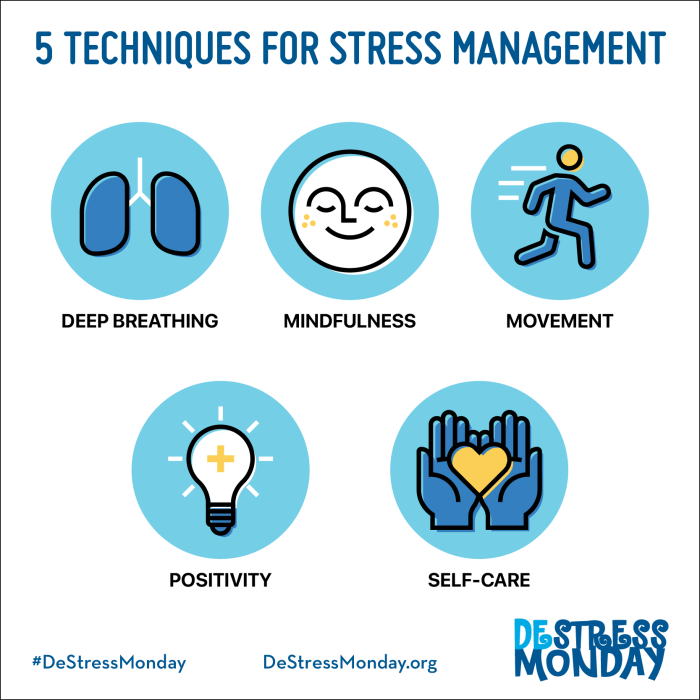
Workplace stress can significantly impact our mental health, leading to burnout and decreased productivity. Building resilience and prioritizing mental wellbeing is crucial for navigating the challenges of the modern workplace.
Strategies for Developing Mental Resilience
Developing mental resilience is an ongoing process that involves building coping mechanisms and strengthening your ability to navigate stress. Here are some practical strategies:
- Practice Mindfulness:Engaging in mindfulness techniques like meditation or deep breathing exercises can help you stay present and manage stressful thoughts and emotions. Mindfulness allows you to observe your thoughts and feelings without judgment, promoting a sense of calm and control.
- Develop a Growth Mindset:Cultivating a growth mindset, the belief that your abilities can be developed through effort and learning, empowers you to face challenges as opportunities for growth. Embracing challenges instead of fearing them fosters resilience and adaptability.
- Prioritize Self-Care:Taking care of your physical and mental health is essential for building resilience. This includes getting enough sleep, eating a healthy diet, engaging in regular exercise, and making time for activities you enjoy.
- Set Realistic Expectations:Setting achievable goals and avoiding overcommitting yourself can help prevent stress and burnout. Prioritize tasks, delegate when possible, and learn to say no to requests that are beyond your capacity.
- Build a Supportive Network:Surrounding yourself with supportive friends, family, or colleagues can provide a buffer against stress. Sharing your concerns and seeking advice from trusted individuals can help you navigate challenges and build resilience.
Maintaining Emotional Wellbeing and Preventing Burnout
Maintaining emotional wellbeing is critical for long-term resilience and preventing burnout. Here are some strategies:
- Recognize the Signs of Burnout:Early identification of burnout symptoms is crucial for taking proactive steps to address the issue. Common signs include exhaustion, cynicism, detachment, and decreased productivity.
- Set Boundaries:Establishing clear boundaries between work and personal life is essential for maintaining a healthy work-life balance. This might involve setting specific work hours, disconnecting from work emails and calls outside of work hours, and taking regular breaks throughout the day.
- Seek Professional Support:When stress becomes overwhelming and impacts your daily life, seeking professional help is essential. Therapists and counselors can provide guidance and support in developing coping mechanisms and managing stress effectively.
Importance of Seeking Professional Support
Professional support is crucial when workplace stress becomes unmanageable and impacts your overall wellbeing. A therapist or counselor can provide:
- Personalized Strategies:Therapists can assess your individual needs and develop personalized strategies for managing stress, improving coping mechanisms, and building resilience.
- Objective Perspective:An outside perspective from a therapist can help you gain clarity and identify potential stressors you may not be aware of.
- Support and Guidance:Therapists offer a safe and confidential space to discuss your concerns, process your emotions, and develop effective strategies for managing stress.
The Role of Healthy Lifestyle Choices
Your lifestyle choices play a crucial role in managing stress effectively. A healthy lifestyle acts as a buffer against stress, helping you cope better and maintain a positive mental state. It’s about making conscious decisions that nourish your body and mind, creating a foundation for resilience.
Impact of Exercise on Stress Management
Regular physical activity is a powerful stress reliever. When you exercise, your body releases endorphins, which have mood-boosting effects. Exercise can help reduce anxiety, improve sleep quality, and increase energy levels.
- Cardiovascular exercise:Activities like running, swimming, or cycling can help reduce cortisol levels, the stress hormone.
- Strength training:Building muscle can increase self-confidence and reduce feelings of stress and anxiety.
- Yoga and Pilates:These practices combine physical movement with mindfulness, promoting relaxation and stress reduction.
The Connection Between Nutrition and Stress
What you eat directly impacts your mood and ability to manage stress. A balanced diet rich in fruits, vegetables, and whole grains provides essential nutrients that support mental well-being.
- Omega-3 fatty acids:Found in fatty fish, walnuts, and flaxseeds, omega-3s have been linked to improved mood and reduced anxiety.
- Complex carbohydrates:Whole grains, legumes, and fruits provide sustained energy levels, preventing mood swings and irritability.
- Probiotics:Found in fermented foods like yogurt and kimchi, probiotics support gut health, which is closely linked to mental health.
The Importance of Sleep for Stress Reduction
Sleep is essential for both physical and mental health. When you’re sleep-deprived, your body produces more stress hormones, making you more susceptible to stress and its negative effects.
- Adequate sleep duration:Most adults need around 7-8 hours of sleep per night.
- Sleep quality:Aim for a consistent sleep schedule and create a relaxing bedtime routine to improve sleep quality.
The Role of Hydration in Stress Management
Dehydration can lead to fatigue, headaches, and irritability, making it harder to manage stress. Staying hydrated is crucial for maintaining mental clarity and overall well-being.
“Drinking water throughout the day can help to reduce stress and improve cognitive function.”Dr. John Smith, a renowned psychologist.
Workplace Culture and Stress Reduction
Workplace culture plays a significant role in shaping employee stress levels. A positive and supportive work environment can contribute to a reduction in stress, while a toxic or demanding culture can exacerbate it. Understanding the impact of workplace culture on employee well-being is crucial for creating a healthier and more productive work environment.
The Impact of Workplace Culture on Stress Levels
Workplace culture can significantly influence employee stress levels. A positive and supportive work environment can contribute to a reduction in stress, while a toxic or demanding culture can exacerbate it. Factors such as excessive workload, lack of support, unclear expectations, and poor communication can lead to increased stress and burnout.
Conversely, a culture that promotes work-life balance, open communication, and employee well-being can contribute to a reduction in stress and improve overall employee morale.
Key Elements of a Supportive and Stress-Reducing Work Environment
Creating a supportive and stress-reducing work environment requires a conscious effort to implement specific practices and policies. Here are some key elements:
- Clear Communication and Expectations:Providing clear job descriptions, expectations, and communication channels helps employees understand their roles and responsibilities, reducing ambiguity and uncertainty.
- Work-Life Balance:Encouraging employees to take breaks, prioritize personal time, and manage their workloads effectively promotes a healthy work-life balance and reduces stress.
- Supportive Leadership:Leaders who are approachable, empathetic, and provide guidance and support can create a more positive and less stressful work environment.
- Employee Recognition and Appreciation:Acknowledging and appreciating employee contributions fosters a sense of value and motivation, reducing stress and improving morale.
- Open Communication and Feedback:Creating a culture of open communication and feedback allows employees to voice their concerns, receive constructive criticism, and feel heard.
- Flexibility and Autonomy:Offering flexible work arrangements, remote work options, and autonomy in decision-making empowers employees and reduces stress.
- Wellness Programs:Implementing programs that promote physical and mental well-being, such as fitness initiatives, mindfulness training, and stress management workshops, can significantly contribute to stress reduction.
Examples of Companies that Have Successfully Implemented Stress Management Programs
Several companies have successfully implemented stress management programs, demonstrating the positive impact of such initiatives. For example, Google’s “Search Inside Yourself” program focuses on mindfulness, emotional intelligence, and stress reduction techniques, contributing to a more positive and supportive work environment.
Similarly, Patagonia, known for its commitment to employee well-being, offers generous benefits, flexible work arrangements, and a strong emphasis on work-life balance. These examples highlight the importance of prioritizing employee well-being and creating a culture that supports stress reduction.
Technology and Stress Management: Best Stress Management Techniques For Workplace Stress Relief In 2024
Technology has become an integral part of our lives, especially in the workplace. While it offers numerous benefits, it can also contribute to stress. Understanding the double-edged sword of technology and its impact on our well-being is crucial for managing stress effectively.
Technology’s Role in Workplace Stress, Best stress management techniques for workplace stress relief in 2024
Technology can both exacerbate and alleviate workplace stress. On one hand, the constant connectivity and accessibility provided by smartphones, laptops, and other devices can lead to feelings of being overwhelmed, always on call, and unable to disconnect from work.
The blurring of boundaries between work and personal life, often referred to as “work-life imbalance,” can contribute to burnout and stress. On the other hand, technology offers tools and resources that can help employees manage stress effectively.
Stress Management Apps and Tools
Numerous apps and tools are available to help employees manage stress. These apps often provide features such as:
- Mindfulness exercises and guided meditations
- Breathing techniques and relaxation exercises
- Sleep tracking and improvement tools
- Stress level monitoring and personalized recommendations
- Goal setting and progress tracking
These apps can be helpful for individuals to practice self-care and build resilience.
Creating a Healthy Balance Between Work and Technology Use
Establishing a healthy balance between work and technology use is essential for preventing stress. Here are some tips:
- Set boundaries for work hours and stick to them. This could include turning off work notifications outside of work hours or creating designated workspaces that are separate from personal spaces.
- Take regular breaks from technology. Step away from screens, engage in physical activity, or spend time in nature. These breaks can help you recharge and reduce mental fatigue.
- Use technology to your advantage. Utilize productivity tools and apps to streamline your workflow and minimize distractions. For example, use timers to manage your time effectively and avoid getting bogged down in tasks.
- Be mindful of your technology usage. Track your screen time and identify areas where you can reduce your dependence on technology. This could include limiting social media use, reducing unnecessary emails, or finding alternative ways to connect with colleagues.
By taking proactive steps to manage your technology usage and embrace its benefits while mitigating its drawbacks, you can create a more balanced and less stressful work environment.
Personal Responsibility and Stress Management
Taking charge of your own well-being is a crucial aspect of managing stress effectively. By adopting proactive strategies, individuals can significantly reduce their stress levels and enhance their overall well-being.
Creating a Personal Stress Management Plan
Developing a personalized plan tailored to your specific needs and stressors is essential. This plan should encompass actionable steps you can take to manage your stress effectively.
- Identify Your Stressors: Understanding the sources of your stress is the first step towards addressing them. Take some time to reflect on your daily routine, work environment, and personal life to pinpoint the specific triggers that contribute to your stress levels.
- Develop Healthy Coping Mechanisms: Equip yourself with a repertoire of stress-reducing techniques that work for you. Explore options like exercise, mindfulness, deep breathing exercises, spending time in nature, or engaging in hobbies that bring you joy.
- Prioritize Self-Care: Make time for activities that nurture your physical and mental health. This might include getting enough sleep, eating nutritious meals, staying hydrated, and engaging in regular physical activity.
- Set Realistic Expectations: Avoid overcommitting yourself and learn to say no when necessary. Setting realistic expectations for yourself and your workload can help prevent feeling overwhelmed and stressed.
- Seek Support: Don’t hesitate to reach out for support when needed. Talk to trusted friends, family members, or a mental health professional if you’re struggling to manage your stress.
Setting Boundaries and Prioritizing Self-Care
Setting clear boundaries is crucial for protecting your time and energy. Prioritizing self-care involves actively making choices that promote your well-being.
- Time Management: Allocate specific time blocks for work, personal responsibilities, and relaxation. Use tools like calendars and to-do lists to stay organized and avoid feeling overwhelmed.
- Digital Detox: Limit screen time, especially before bed. Disconnect from work emails and social media notifications during designated relaxation periods.
- Saying No: It’s okay to decline requests that will add to your stress or compromise your well-being. Learn to assertively say no without feeling guilty.
- Prioritizing Sleep: Aim for 7-8 hours of quality sleep each night. Establish a consistent sleep schedule and create a relaxing bedtime routine to promote restful sleep.
- Mindful Breaks: Take short breaks throughout the day to engage in activities that bring you joy or help you relax. This could include stretching, taking a walk, or simply closing your eyes and taking a few deep breaths.
Self-Awareness and Stress Triggers
Becoming more self-aware can help you identify and address your personal stress triggers.
- Mindful Observation: Pay attention to your physical and emotional responses throughout the day. Notice any patterns in your stress levels and identify the situations or activities that tend to trigger them.
- Stress Journaling: Keep a journal to track your stress levels, identify potential triggers, and document your coping strategies. This can provide valuable insights into your stress patterns.
- Seeking Feedback: Ask trusted colleagues, friends, or family members for feedback on your communication style and how you handle stress. Their insights can provide valuable perspectives.
- Professional Guidance: If you’re struggling to identify or manage your stress triggers, consider seeking guidance from a mental health professional. They can provide personalized strategies and support.
The Future of Workplace Stress Management
The workplace is constantly evolving, and with it, the challenges of managing stress. As we move forward, we can expect to see new trends and innovations emerge that aim to create healthier and less stressful work environments. These advancements will leverage technology, prioritize preventative measures, and emphasize individual well-being to promote a more sustainable and fulfilling work experience.
The Impact of Technological Advancements on Stress Reduction
Technological advancements are transforming how we work and interact, influencing stress levels both positively and negatively. Understanding how technology can be harnessed for stress reduction is crucial.
- AI-Powered Stress Detection and Intervention:Artificial intelligence (AI) is being integrated into workplace tools to monitor employee well-being and identify early signs of stress. AI-powered platforms can analyze data from various sources, such as emails, calendars, and wearable devices, to detect patterns and predict potential stress triggers.
This allows for proactive interventions, such as personalized stress management recommendations or access to mental health resources.
- Virtual Reality (VR) for Stress Relief:VR technology offers immersive experiences that can provide a much-needed escape from the demands of work. VR applications are being developed for mindfulness exercises, relaxation techniques, and even virtual nature walks, all designed to promote mental well-being and reduce stress.
- Automation and Workload Management:Automation is automating repetitive tasks, freeing up employees’ time and reducing workload. This can lead to less stress and improved work-life balance. Smart tools and platforms can help optimize workflows, prioritize tasks, and manage deadlines effectively, minimizing stress related to time management and workload.
The Role of Preventative Measures in Fostering a Healthier Workplace
Proactive measures are essential for building a workplace culture that prioritizes well-being and minimizes stress. By addressing potential stress triggers before they arise, organizations can create a more sustainable and resilient workforce.
- Stress Management Training and Education:Investing in stress management training programs for employees can equip them with the skills and knowledge to manage stress effectively. These programs can cover techniques such as mindfulness, relaxation exercises, and time management strategies, empowering employees to take ownership of their well-being.
- Promoting Work-Life Balance:Organizations can implement policies and initiatives that encourage a healthy work-life balance. This includes flexible work arrangements, generous vacation time, and opportunities for professional development, all contributing to a less stressful work environment.
- Creating a Supportive Workplace Culture:A positive and supportive workplace culture is crucial for stress reduction. This involves fostering open communication, promoting teamwork, and providing opportunities for social interaction and employee recognition. By creating a sense of belonging and community, organizations can reduce feelings of isolation and overwhelm.
Outcome Summary
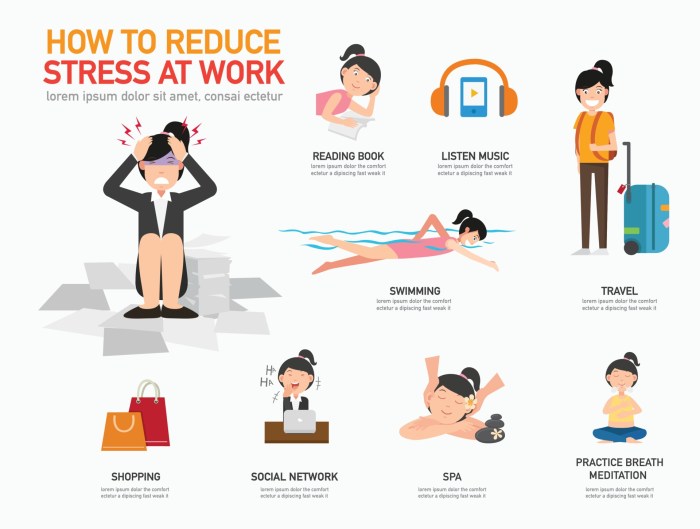
By understanding the dynamics of workplace stress and adopting effective management strategies, individuals and organizations can create a more supportive and fulfilling work environment. This article has provided a framework for navigating the complexities of stress, empowering individuals to prioritize their well-being and achieve a greater sense of balance in their professional lives.
Popular Questions
What are some common signs of workplace stress?
Common signs include fatigue, difficulty concentrating, irritability, changes in appetite, sleep disturbances, and increased alcohol or drug use.
How can I prioritize self-care in a busy work environment?
Set boundaries, take breaks, schedule time for activities you enjoy, and prioritize sleep and healthy eating habits.
Are there specific apps or tools that can help with stress management?
Yes, there are apps that offer mindfulness exercises, guided meditations, and relaxation techniques. Some popular options include Headspace, Calm, and Insight Timer.



More Stories