Top foods and supplements for boosting mental clarity and cognitive function sets the stage for this enthralling narrative, offering readers a glimpse into a story that is rich in detail and brimming with originality from the outset.
From the intricate workings of our brains to the impact of our daily choices, this exploration delves into the fascinating world of cognitive enhancement. We’ll uncover the key nutrients that fuel brainpower, explore the potential benefits of various supplements, and uncover lifestyle habits that can significantly impact our mental sharpness.
Whether you’re seeking to sharpen your focus, enhance your memory, or simply maintain optimal cognitive function as you age, this guide provides practical insights and actionable steps to unlock your full mental potential.
Healthy Aging and Cognitive Function
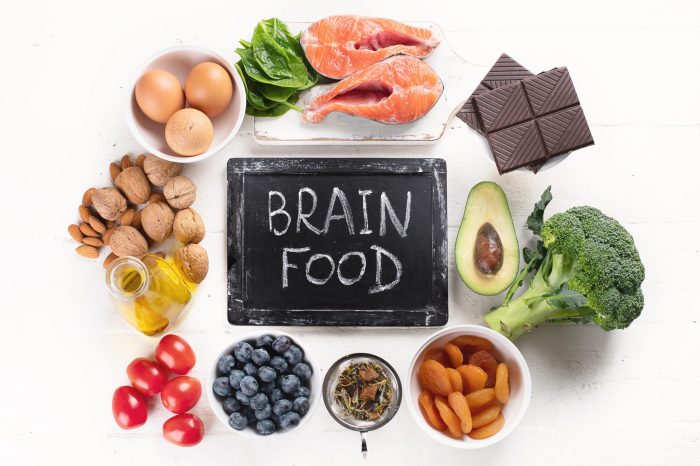
As we age, our cognitive function naturally declines. This decline can manifest as slower processing speed, memory lapses, and difficulty with complex tasks. While some degree of cognitive decline is inevitable, it’s crucial to understand the factors that contribute to it and implement strategies to mitigate its impact.
Nutrition and Lifestyle for Cognitive Health
Maintaining a healthy diet and lifestyle plays a vital role in preserving cognitive function as we age. This involves consuming nutrient-rich foods, engaging in regular physical activity, managing stress, and getting adequate sleep.
- Dietary Choices:A balanced diet rich in fruits, vegetables, whole grains, and lean protein provides essential nutrients that support brain health. Incorporating foods rich in antioxidants, such as berries, leafy greens, and nuts, can help protect brain cells from damage.
- Physical Activity:Regular exercise improves blood flow to the brain, stimulates the growth of new brain cells, and enhances cognitive function. Aim for at least 150 minutes of moderate-intensity aerobic activity or 75 minutes of vigorous-intensity aerobic activity per week.
- Stress Management:Chronic stress can negatively impact cognitive function. Techniques such as meditation, yoga, and deep breathing exercises can help manage stress levels.
- Sleep:Adequate sleep is essential for cognitive function. Aim for 7-8 hours of quality sleep each night.
Tips for Healthy Aging
Several lifestyle modifications can support cognitive function as we age.
- Mental Stimulation:Engage in mentally stimulating activities such as reading, puzzles, learning a new language, or playing brain-training games. These activities help maintain cognitive flexibility and enhance memory function.
- Social Engagement:Maintaining social connections and engaging in meaningful relationships is crucial for cognitive health. Social interaction provides mental stimulation and helps reduce feelings of isolation, which can negatively impact cognitive function.
- Regular Medical Checkups:Regular medical checkups, including blood pressure and cholesterol monitoring, are essential for identifying and managing potential health conditions that can affect cognitive function.
Managing Cognitive Decline
Proactive steps can be taken to manage cognitive decline.
- Early Detection:Be aware of potential warning signs of cognitive decline, such as memory problems, difficulty concentrating, or changes in mood. If you notice any concerning changes, consult with a healthcare professional for an assessment.
- Cognitive Training:Cognitive training programs, such as brain-training apps and online games, can help improve cognitive function and slow down cognitive decline. These programs typically focus on tasks that challenge memory, attention, and problem-solving skills.
- Lifestyle Modifications:Adopting a healthy lifestyle, including a balanced diet, regular exercise, and stress management techniques, can help prevent or slow down cognitive decline.
Medical Innovations for Cognitive Enhancement
The quest for enhancing cognitive function has spurred the development of innovative medical technologies that hold the potential to improve memory, attention, and overall brain health. These technologies, ranging from pharmacological interventions to non-invasive brain stimulation techniques, are being investigated for their ability to address age-related cognitive decline, neurological disorders, and even optimize cognitive performance in healthy individuals.
Pharmacological Interventions
Pharmacological interventions represent a significant area of research in cognitive enhancement. Several existing medications, primarily used to treat conditions like Alzheimer’s disease and ADHD, are being explored for their potential to improve cognitive function in healthy individuals.
- Cholinesterase Inhibitors:These medications, like donepezil and rivastigmine, work by increasing levels of acetylcholine, a neurotransmitter crucial for memory and learning. While primarily used for Alzheimer’s disease, they have shown some promise in improving cognitive function in healthy aging individuals.
- Methylphenidate and Amphetamine:These stimulants, commonly used to treat ADHD, have been investigated for their ability to enhance attention, focus, and working memory in healthy individuals. However, their use for cognitive enhancement remains controversial due to potential side effects and concerns about dependence.
- Modafinil:This wakefulness-promoting drug, originally developed for narcolepsy, has been shown to improve cognitive performance, including attention, alertness, and task switching. However, its long-term effects on cognitive function and potential for abuse are still under investigation.
Non-invasive Brain Stimulation Techniques
Non-invasive brain stimulation techniques offer a promising avenue for cognitive enhancement without the use of medications. These techniques involve applying electrical or magnetic fields to the brain to modulate neural activity.
- Transcranial Magnetic Stimulation (TMS):TMS uses magnetic pulses to stimulate specific brain regions. Studies have shown that TMS can improve cognitive function in areas like memory, attention, and language processing. It is also being investigated as a potential treatment for conditions like depression and anxiety.
- Transcranial Direct Current Stimulation (tDCS):tDCS applies a weak electrical current to the scalp to modulate neuronal activity. Studies suggest that tDCS can enhance cognitive performance, particularly in areas like working memory, problem-solving, and language learning. However, the long-term effects and safety of tDCS require further investigation.
Ethical Considerations
The development of cognitive enhancement technologies raises significant ethical considerations.
- Access and Equity:The potential benefits of cognitive enhancement technologies may not be equally accessible to all individuals, raising concerns about social and economic disparities. This could exacerbate existing inequalities and create a two-tiered society based on cognitive ability.
- Coercion and Pressure:The availability of cognitive enhancement technologies could lead to pressure to use them, potentially creating a sense of obligation or even coercion. This could undermine individual autonomy and choice.
- Definition of “Normal”:The use of cognitive enhancement technologies raises questions about the definition of “normal” cognitive function. What constitutes an acceptable level of cognitive performance, and who gets to define it? This could lead to a shift in societal expectations and a devaluation of natural cognitive abilities.
Future Research and Development
Research in cognitive enhancement is rapidly evolving, with promising avenues for future development.
- Personalized Cognitive Enhancement:Future research aims to tailor cognitive enhancement strategies to individual needs and characteristics. This could involve personalized pharmacological interventions, targeted brain stimulation techniques, and even genetic interventions.
- Neurofeedback and Brain-Computer Interfaces:Neurofeedback technologies allow individuals to monitor and control their brain activity, potentially enabling self-regulation of cognitive function. Brain-computer interfaces (BCIs) are being developed to allow direct communication between the brain and external devices, opening up possibilities for enhancing cognitive function in novel ways.
- Understanding the Brain:Advancements in brain imaging and other neurotechnologies are providing a deeper understanding of the neural mechanisms underlying cognitive function. This knowledge is crucial for developing safe and effective cognitive enhancement technologies.
Importance of Hydration for Cognitive Function
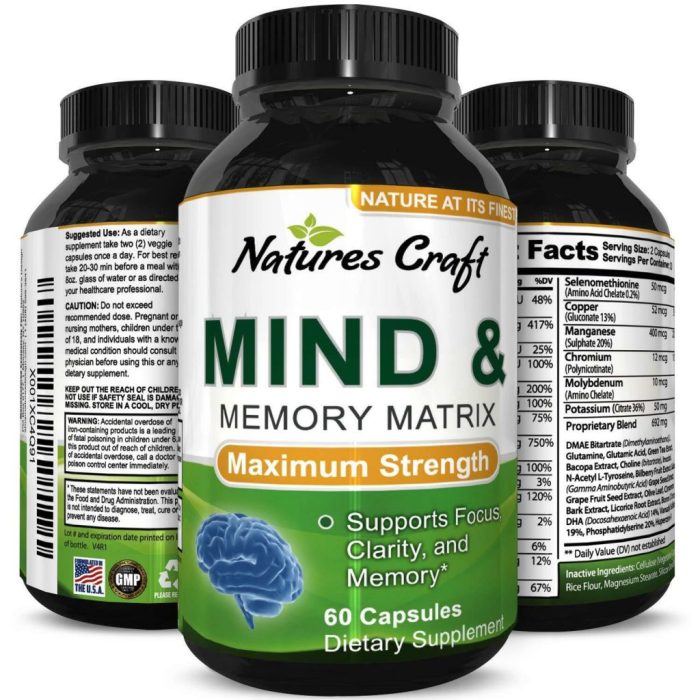
Water is essential for life, and it plays a crucial role in maintaining optimal brain function. It acts as a solvent for nutrients and oxygen, helping them reach the brain cells. Water also helps regulate temperature, remove waste products, and protect the brain from injury.
Effects of Dehydration on Cognitive Performance
Dehydration can have a significant impact on cognitive performance. When the body is dehydrated, the brain receives less oxygen and nutrients, which can lead to decreased alertness, focus, and memory. Studies have shown that even mild dehydration can impair cognitive function, affecting tasks such as decision-making, attention, and reaction time.
Recommendations for Daily Water Intake, Top foods and supplements for boosting mental clarity and cognitive function
The amount of water you need to drink daily depends on factors such as your age, activity level, and climate. However, a general guideline is to drink eight glasses of water per day.
Tips for Staying Hydrated Throughout the Day
Staying hydrated throughout the day is essential for maintaining optimal cognitive function. Here are some tips:
- Keep a water bottle with you at all times and refill it regularly.
- Drink water before, during, and after exercise.
- Eat fruits and vegetables that are high in water content, such as watermelon, cucumber, and spinach.
- Avoid sugary drinks, which can dehydrate you.
- Listen to your body and drink water when you feel thirsty.
Summary: Top Foods And Supplements For Boosting Mental Clarity And Cognitive Function
By incorporating these brain-boosting foods, supplements, and lifestyle strategies, you can take control of your cognitive health and embark on a journey towards enhanced mental clarity and a vibrant, fulfilling life. Remember, a healthy mind is a powerful asset, and with the right knowledge and dedication, you can cultivate a mind that is sharp, resilient, and ready to conquer any challenge.
FAQ Insights
What are some common signs of cognitive decline?
Common signs of cognitive decline include memory problems, difficulty concentrating, changes in mood or personality, and trouble with language or problem-solving.
Are there any risks associated with taking supplements for cognitive enhancement?
While many supplements are generally safe when taken as directed, some may interact with medications or have potential side effects. It’s important to consult with a healthcare professional before starting any new supplement regimen.
How much water should I drink daily for optimal cognitive function?
The recommended daily water intake varies depending on factors like age, activity level, and climate. However, staying adequately hydrated is crucial for brain function, and most adults should aim for at least 8 glasses of water per day.



More Stories
Stress Management: A Path to Better Heart Health
Healthy Habits for Sustainable Weight Management