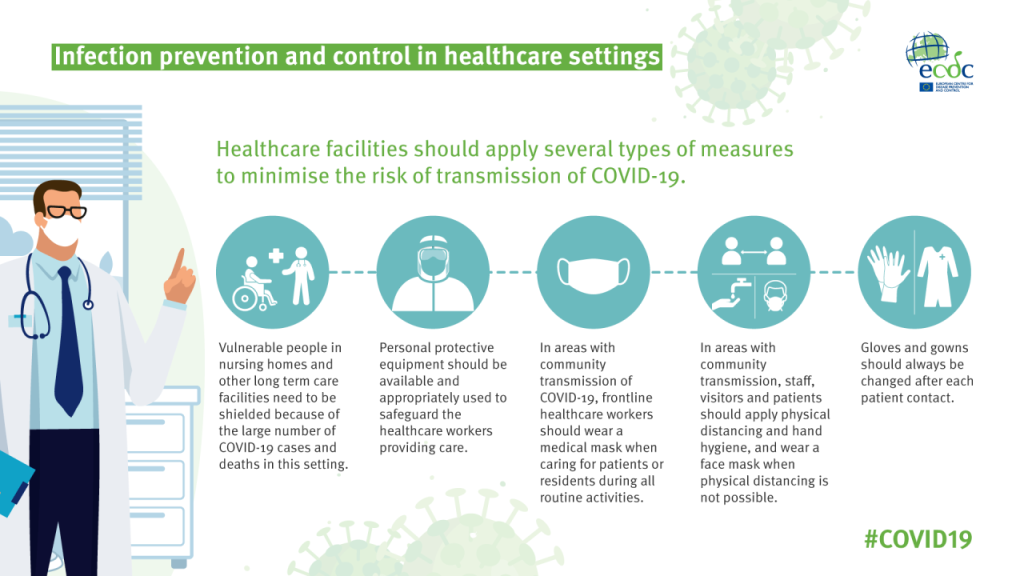
Best hygiene practices for infectious disease prevention in daily life are essential for safeguarding our health and well-being. From simple handwashing to maintaining a clean environment, these practices form a crucial barrier against the spread of germs and illnesses. By understanding and implementing these measures, we can significantly reduce our risk of contracting and transmitting infectious diseases, promoting a healthier and more resilient community.
This comprehensive guide explores a wide range of hygiene practices that encompass various aspects of daily life, including hand hygiene, respiratory hygiene, surface cleaning, food safety, vaccination, environmental hygiene, personal hygiene, and stress management. We will delve into the scientific rationale behind these practices, providing practical tips and strategies for their effective implementation.
Surface Cleaning and Disinfection
Keeping frequently touched surfaces clean and disinfected is a crucial part of preventing the spread of infectious diseases. Germs can survive on surfaces for varying lengths of time, and touching these surfaces can transfer them to your hands and ultimately your body.
Importance of Regular Cleaning and Disinfection
Regular cleaning and disinfection of frequently touched surfaces can significantly reduce the risk of spreading germs. Cleaning removes dirt, dust, and other debris, while disinfecting eliminates germs that may be present. This process is especially important in high-traffic areas like homes, workplaces, and public spaces.
Common Household Disinfectants and Their Effective Use
Several common household disinfectants are effective against various germs. Here are some examples:
- Bleach:Effective against a wide range of bacteria, viruses, and fungi. Dilute bleach solution (1/3 cup bleach per gallon of water) is recommended for disinfecting hard surfaces.
- Alcohol-based disinfectants:Effective against many bacteria and viruses. Look for solutions with at least 70% alcohol content.
- Hydrogen peroxide:A disinfectant that can be used on surfaces and wounds.
- Quaternary ammonium compounds (quats):Found in many commercial disinfecting wipes and sprays, quats are effective against a wide range of bacteria and viruses.
It is essential to follow the instructions on the disinfectant product label for safe and effective use.
Recommended Frequency for Cleaning and Disinfecting
The frequency of cleaning and disinfecting surfaces depends on the level of traffic and the type of surface. Here is a general guideline for different surfaces:
| Surface | Recommended Frequency |
|---|---|
| Doorknobs, handles, and light switches | Daily |
| Countertops, sinks, and tables | Daily |
| Phones, keyboards, and remote controls | Daily |
| Toilets and bathroom fixtures | Daily |
| Floors | Weekly |
Vaccination
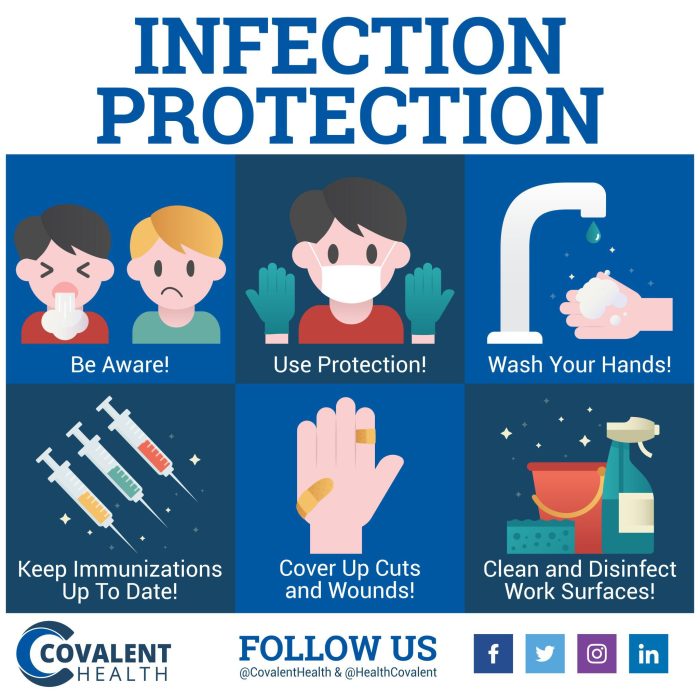
Vaccination is a cornerstone of public health, playing a critical role in preventing infectious diseases and safeguarding communities. It works by introducing a weakened or inactive form of a virus or bacteria into the body, stimulating the immune system to develop antibodies that protect against future infections.
Recommended Vaccines
Vaccines are recommended for individuals of all ages, from infants to adults, to protect against a range of infectious diseases. The specific vaccines recommended vary based on age, health conditions, and travel plans.
Recommended Vaccines for Infants and Children
- Hepatitis B: Protects against hepatitis B virus infection, which can cause liver damage and cancer.
- Rotavirus: Protects against rotavirus infection, a common cause of severe diarrhea in infants and young children.
- Diphtheria, Tetanus, and Pertussis (DTaP): Protects against diphtheria, tetanus, and pertussis, serious bacterial infections.
- Haemophilus influenzae type b (Hib): Protects against Hib infection, which can cause meningitis, pneumonia, and other serious illnesses.
- Pneumococcal Conjugate Vaccine (PCV): Protects against pneumococcal infection, which can cause pneumonia, meningitis, and ear infections.
- Inactivated Poliovirus Vaccine (IPV): Protects against polio, a serious viral infection that can cause paralysis.
- Measles, Mumps, and Rubella (MMR): Protects against measles, mumps, and rubella, highly contagious viral infections.
- Varicella (Chickenpox): Protects against chickenpox, a highly contagious viral infection.
- Hepatitis A: Protects against hepatitis A virus infection, which can cause liver inflammation.
- Meningococcal Conjugate Vaccine (MCV): Protects against meningococcal disease, a serious bacterial infection that can cause meningitis and sepsis.
- Human Papillomavirus (HPV): Protects against HPV infection, which can cause cervical cancer and other cancers.
Recommended Vaccines for Adults
- Influenza (Flu): Annual vaccination is recommended for everyone six months of age and older to protect against influenza, a highly contagious respiratory illness.
- Tetanus, Diphtheria, and Pertussis (Tdap): A booster dose is recommended every 10 years for adults to maintain immunity against tetanus, diphtheria, and pertussis.
- Measles, Mumps, and Rubella (MMR): Adults who were not vaccinated as children or who have not received two doses of MMR vaccine should get vaccinated.
- Varicella (Chickenpox): Adults who have not had chickenpox or have not received the varicella vaccine should get vaccinated.
- Hepatitis A: Adults who are at risk for hepatitis A infection should get vaccinated.
- Hepatitis B: Adults who are at risk for hepatitis B infection should get vaccinated.
- Pneumococcal Polysaccharide Vaccine (PPSV): Adults aged 65 years and older, as well as adults with certain medical conditions, should get vaccinated to protect against pneumococcal infection.
- Shingles (Herpes Zoster): Adults aged 50 years and older should get vaccinated to protect against shingles, a painful rash caused by the varicella-zoster virus.
Recommended Vaccines for Travelers
- Yellow Fever: Vaccination is required for travel to certain countries in Africa and South America.
- Typhoid: Vaccination is recommended for travelers to areas with a high risk of typhoid fever.
- Japanese Encephalitis: Vaccination is recommended for travelers to areas with a high risk of Japanese encephalitis.
- Meningococcal: Vaccination is recommended for travelers to areas with a high risk of meningococcal disease.
- Rabies: Vaccination is recommended for travelers who may be at risk of exposure to rabies, such as those who will be working with animals or visiting areas with a high risk of rabies transmission.
Vaccine Availability and Access
Vaccines are widely available in the United States through healthcare providers, pharmacies, and public health clinics.
Resources for Vaccine Information
* Centers for Disease Control and Prevention (CDC): The CDC provides comprehensive information on vaccines, including recommended vaccination schedules, vaccine safety, and vaccine availability.
World Health Organization (WHO)
The WHO provides global information on vaccines and vaccination programs.
Immunization Action Coalition (IAC)
The IAC is a non-profit organization that provides information and resources on vaccines and immunization.
Personal Hygiene
Personal hygiene practices are crucial for preventing the spread of infectious diseases. They involve maintaining cleanliness and taking steps to reduce the risk of transmitting germs to yourself and others.
Importance of Personal Hygiene
Personal hygiene plays a significant role in protecting individuals from various infections. It helps prevent the spread of germs and minimizes the risk of contracting diseases. Maintaining good personal hygiene practices can help reduce the incidence of skin infections, gastrointestinal illnesses, and respiratory infections.
Daily Personal Hygiene Practices
A daily routine of personal hygiene practices is essential for maintaining good health. Here’s a checklist of key practices to incorporate into your daily life:
- Shower or bathe regularly: Showering or bathing regularly helps remove dirt, sweat, and bacteria from your skin, reducing the risk of skin infections and body odor. Aim to shower or bathe at least once a day, especially after physical activity or sweating.
- Wash your hands frequently: Washing your hands with soap and water for at least 20 seconds is one of the most effective ways to prevent the spread of germs. Wash your hands before eating, after using the restroom, after handling raw meat or poultry, and after touching surfaces that may be contaminated.
- Brush your teeth twice a day: Brushing your teeth twice a day with fluoride toothpaste helps remove plaque and bacteria that can cause cavities and gum disease. Flossing daily also helps remove food particles and bacteria from between your teeth.
- Change clothes regularly: Change your clothes daily, especially after sweating or engaging in physical activity. This helps prevent the growth of bacteria and reduces the risk of skin infections.
- Cover your mouth and nose when coughing or sneezing: Use a tissue or your elbow to cover your mouth and nose when coughing or sneezing. This prevents the spread of respiratory droplets that can carry germs.
- Wash your hands after handling pets: Pets can carry germs that can make you sick. Wash your hands thoroughly after handling pets, especially before eating.
Healthy Lifestyle
A robust immune system is your body’s natural defense against infections. A healthy lifestyle plays a crucial role in strengthening this defense mechanism. By adopting healthy habits, you can significantly reduce your susceptibility to various infections and improve your overall well-being.
Benefits of a Healthy Lifestyle
A healthy lifestyle encompasses several interconnected aspects, each contributing to a robust immune system. Regular exercise, a balanced diet, and adequate sleep are key pillars of a healthy lifestyle. These elements work synergistically to strengthen your immune system, making you less vulnerable to infections.
Regular Exercise
Regular physical activity is a potent immune booster. Exercise stimulates the production of white blood cells, which are the body’s primary defense against infections. Moreover, exercise improves circulation, allowing white blood cells to move efficiently throughout the body. This enhanced circulation enables a faster response to invading pathogens.
Balanced Diet
A balanced diet rich in essential nutrients is crucial for immune function. Fruits, vegetables, and whole grains provide vitamins, minerals, and antioxidants that support the immune system.
- Vitamin Cis a potent antioxidant that helps protect cells from damage caused by free radicals, which can weaken the immune system.
- Vitamin Dplays a vital role in immune cell function and helps regulate inflammation.
- Zincis essential for the development and function of immune cells.
Adequate Sleep
Sleep is not just about rest; it’s a critical component of immune function. During sleep, your body produces cytokines, proteins that help regulate inflammation and fight infection. Sleep deprivation weakens the immune system, making you more susceptible to infections.
Guide to Adopting a Healthy Lifestyle
Embracing a healthy lifestyle is a gradual process. Here are some practical tips and strategies to incorporate healthy habits into your daily routine:
- Start Small:Don’t try to overhaul your entire lifestyle overnight. Begin by making small, achievable changes, such as adding a few minutes of exercise to your day or swapping sugary drinks for water.
- Find Activities You Enjoy:Exercise should be enjoyable, not a chore. Choose activities that you find stimulating and engaging. This will make it more likely that you’ll stick with it.
- Make Healthy Choices:Opt for nutritious foods like fruits, vegetables, and whole grains. Limit processed foods, sugary drinks, and excessive amounts of saturated and unhealthy fats.
- Prioritize Sleep:Aim for 7-8 hours of quality sleep each night. Create a relaxing bedtime routine, ensure a comfortable sleep environment, and limit screen time before bed.
- Stay Hydrated:Drink plenty of water throughout the day. Water is essential for many bodily functions, including immune function.
- Manage Stress:Chronic stress can weaken the immune system. Find healthy ways to manage stress, such as exercise, meditation, or spending time in nature.
Fitness Routine
Regular physical activity is an essential component of a healthy lifestyle, and it plays a crucial role in boosting your immune system, making you less susceptible to infections. Exercise strengthens your body’s defenses against pathogens, helping you stay healthy and resilient.
The Benefits of Exercise for Immune Function
A robust fitness routine contributes significantly to a stronger immune system. Exercise stimulates the production of white blood cells, the body’s primary defense against infections. These cells patrol your body, identifying and eliminating harmful pathogens. Regular physical activity also improves blood circulation, which allows immune cells to reach areas of the body that need them more effectively.
Furthermore, exercise helps regulate stress hormones, which can negatively impact immune function.
Recommended Fitness Routine for Improved Immunity
A balanced fitness routine that incorporates cardiovascular exercises, strength training, and flexibility exercises is essential for overall health and immunity.
Cardiovascular Exercises
Cardiovascular exercises, also known as aerobic exercises, elevate your heart rate and improve blood flow, enhancing the delivery of oxygen and nutrients throughout your body. This increased blood flow helps boost your immune system by transporting white blood cells to areas where they are needed.
Aim for at least 150 minutes of moderate-intensity aerobic activity or 75 minutes of vigorous-intensity aerobic activity per week. Examples of cardiovascular exercises include:
- Brisk walking
- Running
- Cycling
- Swimming
- Dancing
Strength Training
Strength training helps build and maintain muscle mass, which is essential for overall health and immune function. Muscle tissue plays a vital role in the production of immune cells. Strength training also helps improve bone density, reducing the risk of osteoporosis.
Aim for at least two strength training sessions per week, targeting all major muscle groups. Examples of strength training exercises include:
- Weightlifting
- Bodyweight exercises (push-ups, squats, lunges)
- Resistance band exercises
Flexibility Exercises
Flexibility exercises, such as stretching, improve your range of motion and help prevent injuries. Stretching also helps reduce muscle tension and stress, which can positively impact your immune system. Aim for at least 10 minutes of stretching daily. Examples of flexibility exercises include:
- Yoga
- Pilates
- Tai chi
Sample Workout Plan
Here’s a sample workout plan that incorporates different types of exercises for improving overall health and immunity:
- Monday:Cardio (30 minutes) and Strength training (30 minutes)
- Tuesday:Flexibility (30 minutes) and Rest
- Wednesday:Cardio (30 minutes) and Strength training (30 minutes)
- Thursday:Flexibility (30 minutes) and Rest
- Friday:Cardio (30 minutes) and Strength training (30 minutes)
- Saturday:Active rest (walking, light yoga, or other low-impact activities) or Rest
- Sunday:Rest
Remember to listen to your body and take rest days when needed.
Healthy Habits
A strong immune system is essential for fighting off infections, and healthy habits play a crucial role in boosting your immune defenses. By incorporating regular exercise, a balanced diet, and stress management techniques into your daily routine, you can significantly enhance your body’s ability to ward off illness.
The Impact of Healthy Habits on Immunity
Healthy habits are not just about preventing infections; they are fundamental to overall well-being. A robust immune system, fostered by healthy choices, not only protects against infections but also contributes to a lower risk of developing chronic diseases. Regular exercise strengthens the immune system by increasing blood circulation, improving lymphatic drainage, and stimulating the production of immune cells.
A balanced diet rich in fruits, vegetables, and whole grains provides essential nutrients like vitamins, minerals, and antioxidants that support immune function. Stress management techniques like yoga, meditation, and deep breathing help regulate the body’s stress response, which can weaken the immune system.
Practical Tips for Incorporating Healthy Habits
Incorporating healthy habits into your daily life can seem overwhelming, but it doesn’t have to be a drastic overhaul. Start with small, achievable changes and gradually build upon them.
Exercise
- Aim for at least 30 minutes of moderate-intensity exercise most days of the week.
- Find activities you enjoy, such as walking, swimming, dancing, or cycling.
- Break down your exercise into shorter sessions throughout the day if time is limited.
Diet
- Focus on consuming a variety of fruits, vegetables, whole grains, and lean proteins.
- Limit processed foods, sugary drinks, and unhealthy fats.
- Stay hydrated by drinking plenty of water throughout the day.
Stress Management
- Practice relaxation techniques such as yoga, meditation, or deep breathing exercises.
- Engage in hobbies or activities that you find enjoyable and stress-relieving.
- Prioritize getting enough sleep, as sleep deprivation can weaken the immune system.
Healthy Aging
Aging is a natural process, but it doesn’t have to mean a decline in health and well-being. By maintaining healthy habits throughout life, you can promote a healthy aging process and reduce your risk of infections and other age-related health issues.
Lifestyle Choices and Healthy Aging
Lifestyle choices play a significant role in healthy aging. Making healthy choices throughout life can help you maintain a strong immune system, reduce your risk of chronic diseases, and increase your chances of living a long and healthy life.
- Eating a balanced diet:A diet rich in fruits, vegetables, whole grains, and lean protein can provide your body with the nutrients it needs to function optimally. This can help boost your immune system and protect you from infections.
- Regular physical activity:Exercise is essential for maintaining a healthy weight, reducing your risk of chronic diseases, and improving your mood. Aim for at least 150 minutes of moderate-intensity aerobic activity or 75 minutes of vigorous-intensity aerobic activity per week.
- Getting enough sleep:Sleep is crucial for immune function, cell repair, and overall health. Aim for 7-8 hours of quality sleep each night.
- Managing stress:Chronic stress can weaken your immune system and increase your risk of infections. Find healthy ways to manage stress, such as exercise, meditation, or spending time in nature.
- Avoiding smoking and excessive alcohol consumption:Smoking and excessive alcohol consumption can damage your immune system and increase your risk of infections and chronic diseases.
Medical Interventions and Healthy Aging
Medical interventions can also play a role in promoting healthy aging. Regular medical checkups, vaccinations, and early detection and treatment of health problems can help you stay healthy and prevent infections.
- Regular medical checkups:See your doctor regularly for checkups and screenings to monitor your health and identify any potential problems early on.
- Vaccinations:Vaccinations are an important way to protect yourself from infectious diseases. Stay up-to-date on recommended vaccinations, including those for influenza, pneumonia, and shingles.
- Early detection and treatment of health problems:Many chronic diseases can be managed effectively with early detection and treatment. If you experience any health problems, see your doctor promptly for diagnosis and treatment.
Tips for Staying Healthy as We Age
As we age, it’s even more important to prioritize our health and well-being. Here are some tips for staying healthy and preventing infections as we age:
- Maintain a healthy weight:Excess weight can put a strain on your immune system and increase your risk of infections. Aim for a healthy weight and maintain it through a balanced diet and regular exercise.
- Stay hydrated:Dehydration can weaken your immune system and make you more susceptible to infections. Drink plenty of fluids throughout the day, especially water.
- Wash your hands frequently:Handwashing is one of the most effective ways to prevent the spread of infections. Wash your hands thoroughly with soap and water for at least 20 seconds, especially after using the restroom, before eating, and after touching your face.
- Avoid close contact with sick people:If you are feeling ill, stay home to avoid spreading germs. If you are caring for someone who is sick, take precautions to protect yourself, such as wearing a mask and washing your hands frequently.
- Get regular exercise:Exercise can help boost your immune system and reduce your risk of infections. Aim for at least 30 minutes of moderate-intensity exercise most days of the week.
- Manage chronic conditions:If you have any chronic health conditions, such as diabetes or heart disease, it’s important to manage them effectively. Work with your doctor to develop a treatment plan that helps you stay healthy and prevent complications.
- Stay socially connected:Social isolation can have a negative impact on your mental and physical health. Make an effort to stay connected with friends and family, and participate in activities that you enjoy.
Active Lifestyle
An active lifestyle is not just about physical fitness; it’s a cornerstone of a robust immune system and overall well-being. Regular physical activity plays a crucial role in preventing infections and maintaining a healthy body.
Benefits of an Active Lifestyle
Engaging in regular physical activity has a profound impact on our immune system, making it more resilient against infections. Exercise stimulates the production of white blood cells, which are the body’s defense against pathogens. It also improves circulation, allowing white blood cells to reach infected areas more efficiently.
Impact on Cardiovascular Health
Regular physical activity significantly improves cardiovascular health. It strengthens the heart muscle, lowers blood pressure, and improves cholesterol levels. These benefits reduce the risk of heart disease, stroke, and other cardiovascular problems, all of which can weaken the immune system and make individuals more susceptible to infections.
Stress Reduction and Mood Enhancement, Best hygiene practices for infectious disease prevention in daily life
Physical activity is a powerful stress reliever. It releases endorphins, which have mood-boosting effects and reduce feelings of anxiety and depression. By managing stress, exercise indirectly strengthens the immune system, as chronic stress can suppress immune function.
Incorporating Physical Activity into Daily Life
There are numerous ways to incorporate physical activity into your daily routine, even with a busy schedule.
- Walking: Aim for at least 30 minutes of brisk walking most days of the week. You can walk to work, take the stairs instead of the elevator, or walk your dog.
- Cycling: Cycling is a great way to get exercise and enjoy the outdoors. You can cycle to work, run errands, or simply go for a leisurely ride.
- Joining a Gym: A gym provides access to a wide range of equipment and fitness classes, allowing you to tailor your workout to your interests and fitness level.
- Dancing: Dancing is a fun and energetic way to get exercise. You can take dance classes, go out dancing with friends, or simply dance around your house.
- Gardening: Gardening is a physically demanding activity that can provide a great workout. You can plant flowers, vegetables, or simply weed your garden.
Mental Resilience
Mental resilience is the ability to bounce back from adversity, adapt to change, and maintain a positive outlook despite challenges. It’s a crucial aspect of overall well-being and plays a vital role in our ability to cope with infectious diseases and maintain a healthy immune system.
The Link Between Mental Resilience and Immune Function
A growing body of research suggests a strong connection between mental health and immune function. Stress, anxiety, and depression can suppress the immune system, making individuals more susceptible to infections. Conversely, resilience can help to bolster the immune system by promoting positive emotions and reducing stress hormones.
Strategies for Building Mental Resilience
Practicing Mindfulness
Mindfulness involves paying attention to the present moment without judgment. It can help to reduce stress, improve emotional regulation, and increase self-awareness. Techniques like meditation, deep breathing exercises, and yoga can cultivate mindfulness.
Cultivating a Sense of Purpose
Having a sense of purpose in life can provide motivation, direction, and a feeling of fulfillment. It can help to buffer against stress and promote resilience.
Developing Strong Social Connections
Social support is essential for mental well-being. Strong relationships with friends, family, and community members can provide a sense of belonging, offer emotional support, and help individuals cope with difficult times.
Engaging in Meaningful Activities
Activities that bring joy, satisfaction, and a sense of accomplishment can boost mood, reduce stress, and promote resilience.
Practicing Gratitude
Focusing on the positive aspects of life can shift your perspective and promote a sense of well-being.
Seeking Professional Help
If you’re struggling with mental health challenges, don’t hesitate to seek professional help. A therapist can provide support, guidance, and tools to build resilience.
Immune Support
Your immune system is your body’s natural defense against infections and diseases. It’s a complex network of cells, tissues, and organs that work together to identify and eliminate harmful invaders like bacteria, viruses, and parasites. A strong immune system is crucial for maintaining good health and preventing serious illnesses.
How the Immune System Works
The immune system operates through a coordinated series of steps, involving various components that play distinct roles:
- First Line of Defense:Physical barriers like skin, mucous membranes, and cilia act as the initial line of defense, preventing pathogens from entering the body.
- Innate Immune Response:When pathogens breach the initial barriers, the innate immune system kicks in. This involves specialized cells like macrophages and neutrophils that engulf and destroy invaders. This response is immediate and non-specific, meaning it targets any foreign substance.
- Adaptive Immune Response:If the innate immune response fails to eliminate the pathogen, the adaptive immune system comes into play. This response is highly specific, recognizing and targeting specific pathogens. Lymphocytes, particularly B cells and T cells, play key roles in this process.
B cells produce antibodies that bind to and neutralize pathogens, while T cells directly kill infected cells.
- Immune Memory:Once the adaptive immune system has encountered a specific pathogen, it retains memory of that pathogen. This memory allows for a faster and more effective response upon subsequent exposures, providing long-lasting immunity.
Supporting a Healthy Immune System
A healthy lifestyle plays a significant role in maintaining a strong immune system. Here are some tips:
- Get Enough Sleep:During sleep, your body produces cytokines, proteins that help regulate immune responses. Aim for 7-8 hours of quality sleep each night.
- Manage Stress:Chronic stress can suppress the immune system. Engage in stress-reducing activities like exercise, meditation, or yoga.
- Eat a Balanced Diet:A diet rich in fruits, vegetables, whole grains, and lean protein provides essential nutrients that support immune function. Include foods rich in vitamins C, D, and E, as well as zinc and selenium.
- Stay Hydrated:Water is essential for many bodily functions, including immune responses. Drink plenty of fluids throughout the day.
- Regular Exercise:Moderate-intensity exercise can boost immune function. Aim for at least 30 minutes of exercise most days of the week.
- Avoid Smoking and Excessive Alcohol Consumption:Smoking and excessive alcohol consumption weaken the immune system, making you more susceptible to infections.
- Wash Your Hands Regularly:Frequent handwashing with soap and water is a simple but effective way to prevent the spread of germs.
- Get Vaccinated:Vaccines stimulate the immune system to produce antibodies against specific diseases, providing protection against those diseases.
Stress Relief
Stress is a normal part of life, but chronic stress can have a detrimental impact on your health, including your immune system. When you’re stressed, your body releases hormones like cortisol, which can suppress your immune response, making you more susceptible to infections.
Stress Relief Techniques
Managing stress is crucial for maintaining a strong immune system and overall well-being. Here are some effective stress relief techniques:
- Deep Breathing Exercises: Deep, slow breathing can help calm your nervous system and reduce stress. Practice diaphragmatic breathing, where you inhale deeply through your nose, filling your lungs and abdomen, and exhale slowly through your mouth.
- Meditation: Meditation involves focusing your attention on the present moment, quieting your mind, and promoting relaxation. Regular meditation can help reduce stress hormones and improve your overall well-being.
- Yoga: Yoga combines physical postures, breathing techniques, and meditation, promoting flexibility, strength, and stress reduction. Different yoga styles offer various benefits, so choose one that suits your preferences and abilities.
- Spending Time in Nature: Spending time outdoors in natural settings can have a calming effect on the mind and body. Go for a walk in a park, hike in the woods, or simply sit by a lake or ocean to enjoy the serenity of nature.
Nutritional Balance: Best Hygiene Practices For Infectious Disease Prevention In Daily Life
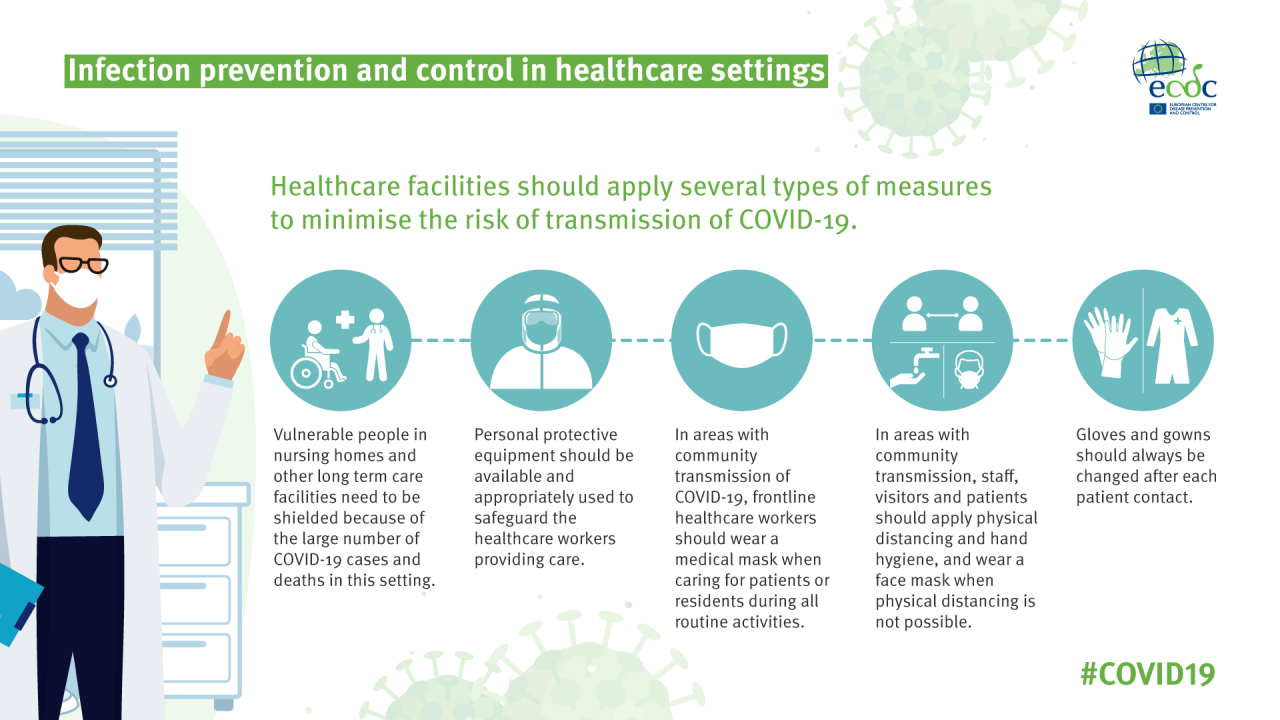
A balanced diet is crucial for maintaining a strong immune system and preventing infections. By providing your body with the essential nutrients it needs, you can enhance your body’s natural defenses and reduce your susceptibility to illness.
Role of Nutrients in Immune Function
Nutrients play a vital role in supporting immune function. Different nutrients contribute to various aspects of the immune response, including:
- Vitamins: Vitamins like vitamin C, vitamin D, and vitamin E are essential for immune cell function and development. They help to protect against oxidative stress, which can damage immune cells and weaken the immune response.
- Minerals: Minerals such as zinc, iron, and selenium are also crucial for immune function. They are involved in various processes, including cell growth and division, immune cell signaling, and the production of antibodies.
- Antioxidants: Antioxidants, found in fruits, vegetables, and other plant-based foods, help to protect the body from damage caused by free radicals. Free radicals can damage immune cells and weaken the immune response.
Creating a Balanced Diet
To create a balanced diet that supports a strong immune system, focus on incorporating a variety of nutrient-rich foods from all food groups.
- Fruits and Vegetables: Aim to consume at least five servings of fruits and vegetables daily. These foods are rich in vitamins, minerals, and antioxidants, which are essential for immune function.
- Whole Grains: Choose whole grains over refined grains, as they are a good source of fiber, which can help to support a healthy gut microbiome, a key component of the immune system.
- Lean Protein: Include lean protein sources such as fish, poultry, beans, and lentils in your diet. Protein is essential for the production of antibodies and other immune cells.
- Healthy Fats: Incorporate healthy fats, such as those found in olive oil, avocados, and nuts, into your diet. These fats are important for cell function and immune regulation.
- Stay Hydrated: Drink plenty of water throughout the day. Water is essential for all bodily functions, including immune function.
Wrap-Up
In conclusion, adopting best hygiene practices for infectious disease prevention in daily life is a fundamental aspect of responsible living. By embracing these simple yet effective measures, we can significantly reduce our susceptibility to infections, protect ourselves and our loved ones, and contribute to a healthier and more resilient society.
Remember, maintaining good hygiene is not just about personal health; it’s about collective responsibility and safeguarding the well-being of our communities.
Helpful Answers
What are some common infectious diseases that can be prevented through good hygiene?
Common infectious diseases that can be prevented through good hygiene include the common cold, flu, COVID-19, food poisoning, skin infections, and many others.
How often should I wash my hands?
It’s recommended to wash your hands frequently, especially before and after eating, after using the restroom, after contact with potentially contaminated surfaces, and after coughing or sneezing.
What are some examples of healthy lifestyle choices that can boost immunity?
Healthy lifestyle choices that can boost immunity include regular exercise, a balanced diet rich in fruits and vegetables, adequate sleep, and stress management techniques like meditation or yoga.



More Stories
Sleep hygiene tips for reducing snoring: Improving sleep quality and lifestyle changes
Exercise routines for disease prevention: A proactive approach to optimal health
How to set fitness goals for a personalized routine – Achieve Your Health Goals Now