Hydration Importance
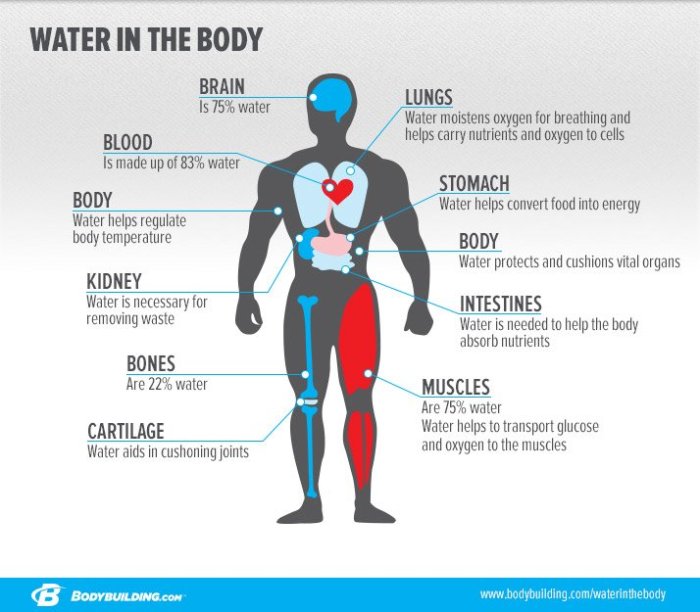
Proper hydration plays a crucial role in muscle recovery by ensuring that muscles have the necessary fluids to function optimally. Dehydration can have a significant impact on muscle function, affecting performance and recovery post-exercise. Let’s dive into how hydration supports muscle repair and growth.
Hydration and Muscle Function
- Hydration is essential for maintaining the balance of electrolytes in the body, which is crucial for muscle contractions and nerve impulses.
- Dehydration can lead to muscle cramps, weakness, and fatigue, hindering performance during workouts and delaying muscle recovery.
- Proper hydration helps to optimize blood flow to the muscles, delivering nutrients and oxygen needed for repair and growth.
Hydration and Muscle Repair, Hydration and its role in muscle recovery
- Hydration supports the removal of waste products like lactic acid from the muscles, reducing soreness and promoting faster recovery.
- Fluid intake post-exercise helps to replenish glycogen stores in the muscles, aiding in the repair process and preventing muscle breakdown.
- Drinking enough water throughout the day ensures that muscles stay hydrated, promoting an optimal environment for repair and growth.
Stress Management
Hydration and its role in muscle recovery – Stress is a common factor that can hinder muscle recovery and overall well-being. Staying hydrated plays a crucial role in managing stress levels effectively.
When the body is dehydrated, it can trigger the release of stress hormones such as cortisol. Elevated cortisol levels can increase feelings of anxiety and tension, making it harder to relax and recover from physical exertion.
Maintaining Hydration During Stressful Periods
- Carry a reusable water bottle with you throughout the day to ensure easy access to water.
- Set reminders on your phone or computer to drink water regularly, especially during busy and stressful periods.
- Include hydrating foods such as fruits and vegetables in your diet to supplement your water intake.
- Avoid excessive consumption of caffeine and alcohol, as they can contribute to dehydration and increase stress levels.
- Practice relaxation techniques such as deep breathing or meditation to help manage stress and support muscle recovery.
Healthy Lifestyle
Hydration plays a crucial role in maintaining a healthy lifestyle. Staying adequately hydrated is essential for overall well-being and is particularly important for muscle recovery and optimal physical performance.
Importance of Hydration for Overall Well-being
- Hydration supports various bodily functions, including digestion, circulation, and temperature regulation.
- Proper hydration helps in flushing out toxins from the body and promoting healthy skin.
- Dehydration can lead to fatigue, headaches, and poor concentration, affecting overall productivity and mood.
Tips for Incorporating Hydration into Daily Routines
- Carry a reusable water bottle with you throughout the day to ensure easy access to hydration.
- Set reminders on your phone or use hydration tracking apps to monitor your water intake.
- Incorporate hydrating foods such as fruits and vegetables into your meals and snacks.
- Avoid excessive consumption of caffeinated or alcoholic beverages, as they can contribute to dehydration.
Medical Innovations
Recent innovations and technologies related to hydration monitoring for athletes have significantly improved the way we understand the importance of proper hydration in muscle recovery.
Hydration Tracking Wearables
Advancements in hydration tracking technology have led to the development of wearables that can monitor an athlete’s hydration levels in real-time. These devices can track factors such as sweat rate, electrolyte balance, and overall hydration status, providing valuable data to optimize hydration strategies for muscle recovery.
- One example of such technology is a smart hydration patch that measures sweat loss and provides personalized hydration recommendations based on individual needs.
- Another innovation includes smart water bottles that calculate fluid intake and remind athletes to drink based on their activity level and sweat rate.
Hydration Monitoring Apps
Mobile applications have also played a significant role in revolutionizing hydration tracking for athletes, making it more accessible and convenient to monitor hydration levels on the go.
- These apps can track daily fluid intake, monitor hydration patterns, and provide timely reminders to drink water throughout the day.
- Some apps even use biometric data such as heart rate variability to assess hydration status and recommend personalized fluid intake goals for optimal muscle recovery.
Nutritional Supplements
Hydration plays a crucial role in maximizing the effectiveness of nutritional supplements for muscle recovery. Proper hydration ensures that the body can efficiently absorb and utilize the nutrients from these supplements, aiding in the repair and growth of muscles.
Supplements Synergistic with Hydration
When it comes to muscle repair, certain supplements work synergistically with hydration to optimize results. One such supplement is protein powder, which when combined with adequate hydration, helps in muscle protein synthesis and recovery after intense workouts.
- Branched-chain amino acids (BCAAs) – These amino acids, such as leucine, isoleucine, and valine, can be beneficial in reducing muscle soreness and promoting muscle recovery when consumed with proper hydration.
- Creatine – Creatine is known for its ability to enhance strength and muscle mass. When taken with adequate water intake, creatine can have better absorption and utilization by the muscles.
- Glutamine – This amino acid is essential for muscle recovery and immune function. Pairing glutamine supplements with hydration can help in reducing muscle breakdown and promoting overall recovery.
Hydration’s Enhancement of Supplement Absorption
Hydration is essential for optimal absorption and utilization of nutritional supplements by the body. Water acts as a medium for transporting nutrients to cells, ensuring that the nutrients are effectively delivered to the muscles for repair and recovery.
Fitness Routine
Hydration plays a crucial role in muscle recovery, especially when it comes to your fitness routine. Proper hydration can impact your workout performance and help reduce muscle soreness post-exercise. Here we will discuss how hydration should be integrated into pre, during, and post-workout routines, as well as share hydration strategies for different types of fitness activities to aid in recovery.
Pre-Workout Hydration
Before starting your workout, it’s essential to ensure you are well-hydrated. Aim to drink 16-20 ounces of water 1-2 hours before exercising. This will help improve your performance and prevent dehydration during your workout.
- Avoid sugary drinks or caffeinated beverages before your workout, as they can dehydrate you.
- Consider drinking a sports drink with electrolytes if you’re engaging in intense exercise lasting more than an hour.
Hydration During Workout
During your workout, it’s crucial to stay hydrated to maintain performance levels and prevent fatigue. Drink small amounts of water throughout your exercise routine, especially if you’re sweating excessively.
- Carry a water bottle with you and take small sips during rest periods or breaks in your workout.
- Consider sports drinks with electrolytes for longer, more intense workouts to replenish lost fluids and electrolytes.
Post-Workout Hydration
After your workout, hydration is key to aiding in muscle recovery and reducing soreness. Drink water to replace fluids lost during exercise and help your body recover.
- Rehydrate with at least 24 ounces of water within 2 hours of finishing your workout.
- Include a source of protein in your post-workout meal or snack to aid in muscle repair and recovery.
Health Screenings
Regular health screenings play a crucial role in assessing hydration levels and optimizing muscle recovery. By monitoring hydration status through these screenings, individuals can take proactive steps to enhance their overall muscle health.
Assessing Hydration Levels
Health screenings such as blood tests and urine analysis can provide valuable insights into an individual’s hydration status. These tests can measure electrolyte levels, kidney function, and overall hydration levels, giving a comprehensive view of how well hydrated a person is.
- Regular blood tests can indicate if there are any imbalances in electrolytes like sodium and potassium, which are essential for proper hydration and muscle function.
- Urine analysis can reveal the concentration of urine, which is a key indicator of hydration levels. Darker urine may suggest dehydration, while lighter urine indicates proper hydration.
Monitoring hydration through health screenings helps individuals identify any hydration deficiencies early on, allowing them to make necessary adjustments to optimize muscle recovery.
Optimizing Hydration for Muscle Health
Health screenings not only help in identifying hydration issues but also guide individuals on how to optimize their hydration for better muscle health. By understanding their hydration status, individuals can make informed decisions on their fluid intake and electrolyte balance.
- Based on the results of health screenings, individuals can adjust their water intake to ensure proper hydration levels for optimal muscle recovery.
- Health screenings can also provide insights on the need for electrolyte-rich foods or drinks to maintain a healthy balance and support muscle function.
Overall, health screenings are invaluable tools in assessing hydration status and ensuring that individuals are taking the necessary steps to optimize their muscle health through proper hydration.
Disease Prevention: Hydration And Its Role In Muscle Recovery
Adequate hydration is crucial in preventing certain diseases that can hinder muscle recovery and overall health. Dehydration can exacerbate various conditions, making it essential to focus on hydration as a preventative measure.
Role of Hydration in Disease Prevention
- Hydration helps in preventing kidney stones by diluting the substances in urine that can lead to stone formation.
- Proper hydration supports a healthy digestive system, reducing the risk of gastrointestinal issues such as constipation and acid reflux.
- Dehydration can worsen conditions like urinary tract infections, as it hinders the body’s ability to flush out bacteria.
Preventative Measures through Hydration
- Ensure you drink an adequate amount of water throughout the day to maintain proper hydration levels.
- Monitor your urine color to gauge your hydration status, aiming for pale yellow to clear urine.
- Incorporate hydrating foods like fruits and vegetables into your diet to supplement your fluid intake.
Sleep Hygiene
Maintaining proper hydration levels is crucial for quality sleep and muscle recovery. Dehydration can lead to disruptions in sleep patterns and hinder the body’s ability to repair and build muscles during rest.
Connection between Hydration and Quality of Sleep
Proper hydration supports the body’s natural sleep-wake cycle by regulating body temperature and hormone production. Dehydration can cause discomfort and increase the likelihood of waking up during the night, disrupting the sleep cycle necessary for muscle recovery.
Impact of Hydration on Sleep Patterns and Restorative Processes
Adequate hydration ensures that the body can effectively flush out toxins and waste products accumulated during the day, promoting a deeper and more restorative sleep. Dehydration, on the other hand, can lead to muscle cramps, which can disrupt sleep and hinder the body’s recovery process.
Tips for Maintaining Hydration Levels for Better Sleep Quality
1. Drink water regularly throughout the day, especially before bedtime to prevent dehydration during the night.
2. Avoid excessive consumption of caffeine and alcohol, as they can dehydrate the body and interfere with sleep quality.
3. Consume hydrating foods such as fruits and vegetables to supplement your water intake.
4. Consider using a humidifier in your bedroom to maintain optimal humidity levels for better sleep quality and hydration.
Mental Clarity
Proper hydration plays a crucial role not only in physical recovery but also in cognitive function and mental clarity. When it comes to muscle recovery, ensuring adequate hydration levels is essential for optimal brain performance.
Hydration and Cognitive Function
- Hydration directly impacts cognitive function by maintaining proper electrolyte balance in the brain.
- Dehydration can lead to decreased focus, concentration, and memory retention, affecting overall mental clarity.
- Research suggests that even mild dehydration can impair cognitive performance and mood.
Brain’s Reliance on Hydration
- The brain is composed of about 73% water, making hydration crucial for its proper functioning.
- Water helps transport nutrients and oxygen to the brain while removing waste products, supporting cognitive processes.
- Optimal hydration levels are necessary for neurotransmitter production, which affects mood, focus, and overall mental well-being.
Strategies for Staying Hydrated
- Carry a reusable water bottle and sip water throughout the day to ensure consistent hydration.
- Monitor your urine color to gauge hydration levels, aiming for pale yellow as an indicator of adequate hydration.
- Incorporate hydrating foods like fruits, vegetables, and broths into your diet to supplement water intake.
- Set reminders or establish a routine to drink water regularly, especially during and after exercise to replenish lost fluids.
FAQs
How does hydration impact muscle recovery?
Hydration plays a crucial role in muscle recovery by supporting nutrient delivery to muscles and aiding in the repair process.
Can dehydration hinder muscle function?
Yes, dehydration can significantly impact muscle function, leading to decreased performance and slower recovery.
What are some tips for incorporating hydration into daily routines?
Carrying a water bottle, setting hydration reminders, and consuming hydrating foods are effective ways to ensure adequate fluid intake throughout the day.



More Stories