Stress Management
Exercise routines play a crucial role in managing stress levels by promoting the release of endorphins, which are known as the “feel-good” hormones. These hormones help in reducing feelings of anxiety and stress, leading to an overall improvement in mood and mental well-being.
Relationship between Physical Activity and Stress Reduction
Regular physical activity has been shown to lower the body’s stress hormones, such as cortisol, while simultaneously increasing the production of endorphins. This dual effect helps in reducing overall stress levels and promoting a sense of relaxation and calmness.
- Cardiovascular Exercises: Activities like running, swimming, or cycling are excellent for stress relief as they help in releasing pent-up tension and boosting mood.
- Yoga and Pilates: These mind-body exercises focus on breathing techniques and mindful movements, promoting relaxation and stress reduction.
- Strength Training: Lifting weights or doing bodyweight exercises can also help in reducing stress by improving overall physical health and boosting self-confidence.
Healthy Lifestyle

Regular exercise plays a crucial role in maintaining a healthy lifestyle. It not only helps in disease prevention but also improves overall well-being.
Incorporating Exercise into Daily Routines
Integrating exercise into your daily routine can be easier than you think. Here are some tips to help you get started:
- Choose activities you enjoy: Whether it’s dancing, swimming, or hiking, find something you love to do so you’re more likely to stick with it.
- Schedule it in: Treat exercise like any other important appointment and block out time for it in your day.
- Start small: Begin with short sessions and gradually increase the duration and intensity as you build stamina.
- Stay consistent: Aim for at least 30 minutes of moderate exercise most days of the week to reap the benefits.
Importance of Balance
Maintaining a balance between exercise, nutrition, and rest is essential for a healthy lifestyle:
- Exercise: Regular physical activity boosts immunity, improves heart health, and enhances mood.
- Nutrition: Eating a balanced diet rich in fruits, vegetables, lean proteins, and whole grains provides the necessary nutrients to support your active lifestyle.
- Rest: Getting an adequate amount of sleep allows your body to recover and repair, ensuring optimal performance during workouts.
Medical Innovations
Exercise routines for disease prevention have seen significant advancements in recent years, thanks to various medical innovations. These innovations have revolutionized the way we approach physical activity for maintaining good health and preventing diseases.
Use of Wearable Technology
Wearable technology, such as fitness trackers and smartwatches, has greatly enhanced the effectiveness of exercise programs by providing real-time data on physical activity levels, heart rate, and even sleep patterns. This data helps individuals track their progress, set achievable goals, and stay motivated to maintain an active lifestyle.
Virtual Reality (VR) Fitness
Virtual Reality (VR) technology has been integrated into exercise routines to make workouts more engaging and immersive. By immersing individuals in virtual environments, VR fitness programs make exercise fun and enjoyable, ultimately increasing adherence to regular physical activity and improving overall health.
Exoskeleton Technology
Exoskeleton technology has shown promising results in improving disease prevention through physical activity. These wearable robotic devices assist individuals with mobility impairments or muscle weaknesses to engage in physical activities they might not otherwise be able to perform. By enabling more movement and exercise, exoskeleton technology contributes to better health outcomes and disease prevention.
AI-Powered Fitness Apps
The use of Artificial Intelligence (AI) in fitness apps has revolutionized personalized exercise programs. These apps analyze user data, such as fitness levels, health goals, and exercise preferences, to create tailored workout plans that optimize disease prevention strategies. AI-powered fitness apps provide valuable insights and recommendations to help individuals make the most out of their exercise routines.
Nutritional Supplements
Nutritional supplements play a crucial role in conjunction with exercise routines for disease prevention. They provide essential vitamins, minerals, and other nutrients that may be lacking in our diet, helping to support overall health and well-being.
Enhancing Benefits of Exercise
Nutritional supplements can enhance the benefits of regular physical activity by ensuring that the body has an adequate supply of nutrients needed for optimal performance and recovery. For example, protein supplements can help build and repair muscle tissue after exercise, while antioxidants can reduce inflammation and oxidative stress caused by intense workouts.
- Protein supplements: Whey protein, casein protein, and plant-based protein powders are commonly recommended to support muscle growth and repair.
- Omega-3 fatty acids: Fish oil supplements can help reduce inflammation and support heart health, especially important for individuals engaging in strenuous exercise.
- Vitamin D: Many people are deficient in vitamin D, which plays a crucial role in bone health and immune function. Supplementing with vitamin D can help maintain optimal levels for overall health.
- Creatine: This supplement is often used by athletes to improve performance during high-intensity activities and promote muscle growth.
Fitness Routine
To prevent diseases and maintain overall health, incorporating a well-rounded fitness routine is essential. Exercise plays a crucial role in strengthening the immune system, improving cardiovascular health, and reducing the risk of chronic conditions like diabetes and obesity.
Importance of Varying Exercise Routines
- Cardiovascular exercises like running, swimming, or cycling help improve heart health and stamina.
- Strength training exercises such as weightlifting or bodyweight exercises build muscle mass, increase metabolism, and improve bone density.
- Flexibility exercises like yoga or stretching routines enhance joint mobility, reduce the risk of injuries, and improve overall posture.
Creating a Personalized Fitness Plan
- Assess your current fitness level and health goals to determine the type and intensity of exercises needed.
- Consult with a fitness trainer or healthcare professional to create a balanced workout plan that includes cardiovascular, strength training, and flexibility exercises.
- Set realistic goals and track your progress to stay motivated and make necessary adjustments to your fitness routine.
Health Screenings: Exercise Routines For Disease Prevention
Regular exercise plays a crucial role in maintaining overall health and well-being. In addition to preventing various diseases, exercise can also impact the results of health screenings.
Relationship between Exercise and Health Screenings
Regular exercise can lower the risk of developing chronic conditions such as heart disease, diabetes, and certain types of cancer. By engaging in physical activity, individuals can improve their overall health markers, which can positively influence the outcomes of health screenings.
- Exercise can lower cholesterol levels and blood pressure, leading to better results in cardiovascular screenings.
- Physical activity can help regulate blood sugar levels, affecting the outcomes of diabetes screenings.
- Regular exercise is linked to a reduced risk of certain types of cancer, which can impact cancer screenings.
Recommendations for Health Screenings
The frequency of health screenings can vary based on age, gender, family history, and lifestyle factors such as exercise routine. It is recommended to consult with a healthcare provider to determine the appropriate screening schedule.
- Individuals who engage in regular exercise and maintain a healthy lifestyle may require less frequent screenings compared to sedentary individuals.
- For those with a family history of certain diseases or other risk factors, more frequent screenings may be necessary to detect any potential issues early on.
Disease Prevention
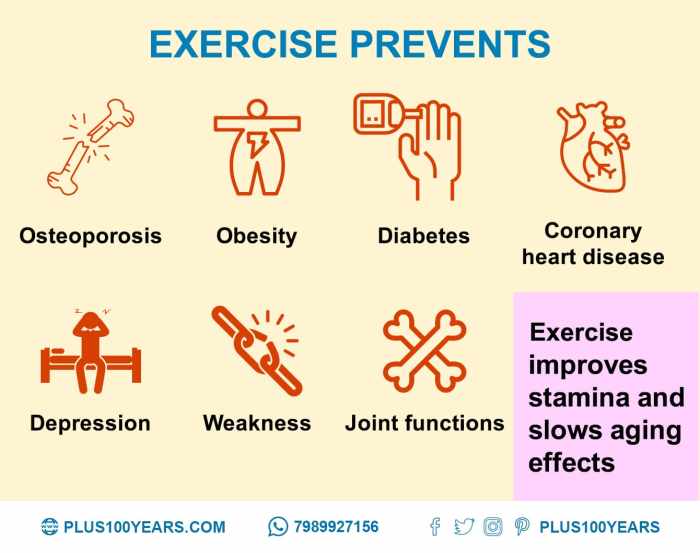
Regular exercise plays a crucial role in preventing various types of diseases by boosting overall health and immunity. Exercise routines help in reducing the risk of chronic conditions such as heart disease, diabetes, obesity, and even certain types of cancer.
Benefits of Exercise in Disease Prevention
- Cardiovascular Health: Engaging in aerobic exercises like running, swimming, or cycling can improve heart health, lower blood pressure, and reduce the risk of heart disease.
- Weight Management: Regular physical activity helps in maintaining a healthy weight and reducing the risk of obesity-related diseases like diabetes and hypertension.
- Mental Health: Exercise is known to release endorphins that help reduce stress, anxiety, and depression, which are linked to various diseases.
Research studies have shown that adults who engage in at least 150 minutes of moderate-intensity exercise per week have a 33% lower risk of developing chronic diseases.
Success Stories in Disease Prevention Through Exercise
- John, a 45-year-old man, significantly lowered his cholesterol levels and blood pressure by incorporating daily walks and strength training into his routine. His doctor praised his dedication to exercise, which led to preventing heart disease.
- Sarah, a breast cancer survivor, credits her recovery to a consistent exercise regimen that boosted her immune system and overall well-being during treatment. She continues to prioritize fitness to prevent cancer recurrence.
Sleep Hygiene
Maintaining good sleep hygiene is essential for overall health and well-being. Sleep plays a crucial role in the body’s recovery and repair processes, as well as in maintaining cognitive function and emotional well-being.
Connection Between Exercise and Sleep
Regular physical activity has been shown to improve sleep quality and help regulate sleep patterns. Exercise can reduce the time it takes to fall asleep, increase the duration of deep sleep, and decrease the number of awakenings during the night. By engaging in exercise routines, individuals can experience better overall sleep hygiene.
Tips for Creating a Bedtime Routine
- Avoid intense exercise close to bedtime as it may stimulate the body and make it difficult to fall asleep. Instead, opt for gentle exercises like yoga or stretching.
- Establish a consistent sleep schedule by going to bed and waking up at the same time every day, even on weekends.
- Create a relaxing pre-sleep routine that may include activities such as reading, taking a warm bath, or practicing deep breathing exercises.
- Avoid electronic devices and screens at least an hour before bedtime, as the blue light emitted can interfere with the production of melatonin, a hormone that regulates sleep.
- Ensure your sleep environment is conducive to restful sleep by keeping the room cool, dark, and quiet.
Mental Clarity
Regular exercise routines play a crucial role in enhancing mental clarity and cognitive function. Physical activity has been shown to have a significant impact on mood, focus, and overall mental well-being. By engaging in exercises that promote blood flow, oxygenation, and neuroplasticity, individuals can experience improved mental clarity and cognitive abilities.
Benefits of Exercise for Mental Clarity
Regular physical activity can help increase the production of neurotransmitters such as dopamine and serotonin, which are essential for regulating mood and enhancing cognitive function. Exercise also promotes the release of endorphins, which are known to reduce stress and improve overall mental well-being. Additionally, engaging in physical activity can enhance focus, concentration, and memory retention, ultimately leading to improved mental clarity.
- Cardiovascular Exercises: Activities such as running, cycling, or swimming can help increase blood flow to the brain, providing it with the necessary oxygen and nutrients for optimal cognitive function.
- Strength Training: Resistance training exercises have been shown to improve cognitive abilities by promoting neurogenesis and neuroplasticity, leading to enhanced mental clarity.
- Yoga and Tai Chi: Mind-body exercises like yoga and tai chi focus on mindfulness, breathing techniques, and relaxation, which can reduce stress, improve focus, and enhance mental clarity.
- High-Intensity Interval Training (HIIT): HIIT workouts have been found to boost cognitive function by stimulating the release of brain-derived neurotrophic factor (BDNF), a protein that supports the growth and maintenance of neurons.
Hydration Importance
Exercise routines for disease prevention – Staying hydrated is crucial for maintaining optimal health, especially during and after exercise routines. Proper hydration plays a significant role in maximizing the benefits of physical activity for disease prevention.
Effects of Dehydration, Exercise routines for disease prevention
Dehydration can have detrimental effects on overall health and exercise performance. When the body lacks an adequate amount of water, it can lead to fatigue, dizziness, muscle cramps, and decreased endurance. In severe cases, dehydration can even result in heat exhaustion or heat stroke.
Proper Hydration Practices
- Aim to drink water before, during, and after exercise sessions to maintain hydration levels.
- Monitor your fluid intake by paying attention to thirst cues and the color of your urine. Clear or pale yellow urine is a good indicator of proper hydration.
- Avoid excessive intake of caffeinated or sugary beverages, as they can contribute to dehydration.
- Consider consuming electrolyte-rich drinks or coconut water to replenish lost minerals during intense workouts.
- Carry a reusable water bottle with you to ensure easy access to fluids throughout the day.
Query Resolution
How often should I exercise to prevent diseases effectively?
It is recommended to engage in at least 150 minutes of moderate-intensity exercise per week to reap the benefits of disease prevention.
Can exercise routines alone prevent all types of diseases?
While exercise is a crucial component of disease prevention, maintaining a balanced lifestyle that includes proper nutrition and rest is essential for comprehensive health protection.
Are there specific exercises that are more effective for disease prevention?
Exercises that combine cardiovascular, strength training, and flexibility components tend to offer the most comprehensive benefits for disease prevention.
How can exercise routines impact mental clarity and cognitive function?
Regular physical activity has been shown to enhance cognitive function, improve mood, and boost mental clarity by stimulating the release of endorphins and promoting brain health.
What role do hydration practices play in maximizing the benefits of exercise for disease prevention?
Staying properly hydrated before, during, and after exercise is crucial for maintaining optimal performance, supporting bodily functions, and aiding in the prevention of dehydration-related health issues.



More Stories
Best Hygiene Practices for Daily Disease Prevention
Sleep hygiene tips for reducing snoring: Improving sleep quality and lifestyle changes
How to set fitness goals for a personalized routine – Achieve Your Health Goals Now