Stress Management Techniques for Anxiety Disorders
Stress management plays a crucial role in alleviating symptoms of anxiety disorders. By implementing effective techniques, individuals can reduce their stress levels and improve their overall well-being.
Mindfulness Techniques
- Practice deep breathing exercises to calm the mind and body.
- Engage in meditation to increase awareness of thoughts and emotions.
- Focus on the present moment to prevent rumination on past or future stressors.
Role of Physical Activity
Physical activity is essential in reducing stress levels for people with anxiety disorders. It helps release endorphins, which are natural mood lifters, and promotes better sleep quality. Regular exercise also provides a healthy outlet for stress and tension, improving overall mental health.
Healthy Lifestyle: Stress Management Techniques For Anxiety Disorders
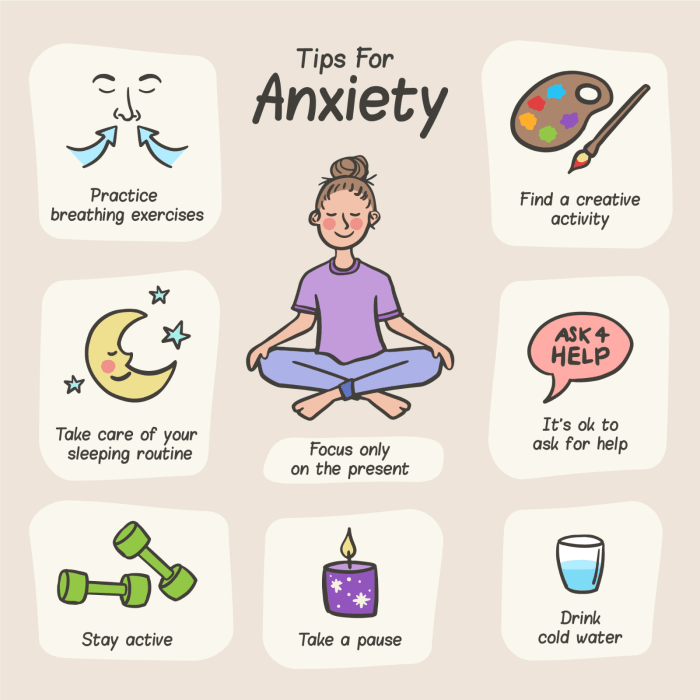
Adopting a healthy lifestyle plays a crucial role in managing stress levels for individuals with anxiety disorders. Making positive changes in diet and exercise routine can significantly impact mental well-being and reduce symptoms of anxiety.
Balanced Diet for Mental Health
Maintaining a balanced diet is essential for supporting overall mental health and reducing stress. Incorporating foods rich in vitamins, minerals, and antioxidants can help regulate mood and improve brain function. Avoiding excessive caffeine, sugar, and processed foods can prevent spikes in anxiety levels. Remember, a healthy diet is not only beneficial for physical health but also for mental well-being.
Significance of Regular Exercise
Regular exercise plays a vital role in promoting mental well-being and reducing anxiety symptoms. Physical activity releases endorphins, also known as “feel-good” hormones, which can help alleviate stress and improve mood. Engaging in activities like yoga, walking, or jogging can be beneficial for both physical and mental health. Aim for at least 30 minutes of moderate exercise most days of the week to experience the positive effects on anxiety levels.
Medical Innovations
Innovative medical treatments and therapies play a crucial role in managing anxiety disorders. These advancements provide new methods for stress management and offer hope for individuals struggling with anxiety.
Virtual Reality Therapy
Virtual reality (VR) is a cutting-edge technology that has shown promising results in helping individuals cope with stress and anxiety. By immersing patients in virtual environments, VR therapy offers a safe space to confront fears and anxieties in a controlled setting. This innovative approach can help individuals build resilience and develop coping mechanisms to manage their anxiety effectively.
Pharmacogenomics, Stress management techniques for anxiety disorders
Pharmacogenomics is a field that combines pharmacology and genomics to develop personalized treatment plans for individuals with anxiety disorders. By analyzing a patient’s genetic makeup, healthcare providers can identify the most effective medications with minimal side effects. This tailored approach ensures that patients receive optimal treatment based on their unique genetic profile, improving outcomes and reducing the risk of adverse reactions.
Transcranial Magnetic Stimulation (TMS)
Transcranial Magnetic Stimulation (TMS) is a non-invasive procedure that uses magnetic fields to stimulate nerve cells in the brain. This innovative treatment has shown promise in managing anxiety disorders by targeting specific areas of the brain associated with anxiety and mood regulation. TMS can help rebalance brain activity and alleviate symptoms of anxiety, providing a safe and effective alternative for individuals who do not respond to traditional therapies.
Nutritional Supplements
Stress management techniques for anxiety disorders – When it comes to managing anxiety disorders, incorporating specific nutritional supplements into your routine can play a crucial role in reducing symptoms and stress levels. These supplements can complement traditional treatments and provide additional support for overall mental health.
Role of Specific Nutritional Supplements
There are various vitamins and minerals known for their beneficial effects on individuals dealing with anxiety disorders. These supplements help in regulating neurotransmitters, reducing inflammation, and supporting overall brain health.
- Vitamin B Complex: Essential for proper brain function and mood regulation.
- Magnesium: Helps in relaxing muscles and calming the nervous system.
- Omega-3 Fatty Acids: Reduce inflammation in the brain and support cognitive function.
- L-Theanine: Promotes relaxation and reduces stress and anxiety levels.
Consulting a Healthcare Provider
It is crucial to consult a healthcare provider before incorporating any supplements into your treatment plan for anxiety disorders. Your healthcare provider can help determine the right dosage, potential interactions with medications, and ensure that the supplements are safe and effective for your specific needs.
Fitness Routine
Establishing a consistent fitness routine can greatly aid in managing stress and anxiety. Regular physical activity has been shown to reduce levels of cortisol, the stress hormone, while increasing endorphins, the body’s natural mood elevators.
Examples of Effective Exercises
- Yoga: Combining gentle movements with deep breathing and mindfulness, yoga can help calm the mind and reduce stress levels.
- Cardiovascular exercises: Activities like running, cycling, or swimming can release endorphins and provide a sense of accomplishment, boosting mood and reducing anxiety.
- Strength training: Lifting weights or doing bodyweight exercises not only improves physical health but also promotes mental well-being by increasing self-confidence and reducing symptoms of anxiety.
Connection Between Physical Activity and Mental Health
Regular physical activity has been linked to improved mental health in individuals with anxiety disorders. Exercise helps in regulating neurotransmitters like serotonin and dopamine, which play a crucial role in mood regulation. Additionally, engaging in a fitness routine can provide a sense of routine and structure, helping individuals feel more in control of their lives and reducing feelings of anxiety and stress.
Health Screenings
Regular health screenings are crucial for individuals with anxiety disorders as they play a vital role in maintaining overall well-being. These screenings are essential for early detection of any health issues that may contribute to stress and anxiety, allowing for timely intervention and management.
Importance of Routine Screenings
Routine health screenings, such as blood pressure checks, cholesterol tests, and diabetes screenings, can help individuals with anxiety disorders monitor their physical health. By identifying any underlying health conditions early on, individuals can work towards managing these issues effectively and reducing the impact of stress and anxiety.
- Regular screenings can detect potential risk factors for heart disease, stroke, and other chronic conditions that may exacerbate anxiety symptoms.
- Early detection of health issues can lead to prompt treatment and preventive measures, minimizing the impact of these conditions on mental health.
- Health screenings provide valuable information for healthcare providers to tailor treatment plans and lifestyle recommendations for individuals with anxiety disorders.
Preventive Healthcare Measures
Preventive healthcare measures, such as vaccinations, cancer screenings, and lifestyle modifications, are essential for managing overall well-being in individuals with anxiety disorders. These measures not only help prevent the development of certain health conditions but also contribute to better mental health outcomes.
- Regular screenings can empower individuals with anxiety disorders to take control of their health and make informed decisions about their well-being.
- Preventive measures, such as regular exercise, healthy eating habits, and stress management techniques, can complement treatment for anxiety disorders and improve overall quality of life.
- By prioritizing preventive healthcare, individuals with anxiety disorders can reduce the risk of complications related to chronic conditions and enhance their resilience to stressors.
Disease Prevention
Stress management techniques are crucial for individuals with anxiety disorders, but incorporating disease prevention strategies can further reduce stress levels and improve overall well-being. By focusing on preventive measures, individuals can address underlying health issues that may contribute to or worsen their anxiety symptoms.
Impact of Lifestyle Choices
- Regular physical activity, a balanced diet, and adequate sleep can help prevent chronic diseases such as heart disease, diabetes, and obesity, which are often linked to increased anxiety levels.
- Limiting alcohol consumption, avoiding tobacco use, and managing stress through relaxation techniques can also play a significant role in reducing the risk of developing health conditions that may exacerbate anxiety.
- Engaging in healthy lifestyle habits not only promotes physical health but also supports mental well-being, leading to a more positive outlook and reduced anxiety symptoms.
Connection Between Disease Prevention and Mental Health
- Research shows that individuals who prioritize disease prevention through healthy lifestyle choices are more likely to experience improved mental health outcomes, including reduced anxiety levels and better stress management capabilities.
- By taking proactive steps to prevent diseases that can impact mental health, individuals with anxiety disorders can enhance their overall quality of life and reduce the burden of managing both physical and psychological symptoms.
- Integrating disease prevention strategies into daily routines can empower individuals to take control of their health and well-being, ultimately leading to a more balanced and fulfilling life.
Sleep Hygiene
Maintaining good sleep hygiene is crucial in managing stress and anxiety as it plays a significant role in our overall mental well-being. Poor sleep habits can exacerbate feelings of anxiety and stress, leading to a vicious cycle of sleep disturbances and heightened anxiety levels.
Tips for Improving Sleep Quality and Establishing Healthy Sleep Habits
- Avoid stimulants like caffeine and nicotine close to bedtime.
- Create a relaxing bedtime routine to signal to your body that it’s time to wind down.
- Ensure your sleeping environment is conducive to sleep – cool, dark, and quiet.
- Avoid screens (phones, tablets, computers) at least an hour before bed as the blue light can disrupt your sleep cycle.
- Establish a consistent sleep schedule, going to bed and waking up at the same time every day.
- Engage in regular physical activity, but avoid vigorous exercise close to bedtime.
Relationship between Adequate Sleep and Mental Well-being
Adequate sleep is essential for maintaining good mental health, especially for individuals with anxiety disorders. When we get enough restful sleep, our brains can process emotions more effectively, regulate mood, and reduce overall stress levels. Lack of sleep can lead to heightened anxiety, irritability, and difficulty coping with daily challenges.
Mental Clarity
Fostering mental clarity is crucial in reducing stress and anxiety. By incorporating practices like meditation, individuals can improve their focus, calm their mind, and enhance emotional resilience.
Examples of Cognitive Techniques
- Journaling: Writing down thoughts and emotions can help individuals process their feelings and gain clarity.
- Cognitive Behavioral Therapy (CBT): This therapeutic approach helps individuals challenge and change negative thought patterns that contribute to anxiety.
- Visualization: Using mental imagery to create positive and calming scenarios can promote mental clarity and reduce stress.
Benefits of Mindfulness Practices
- Increased Self-Awareness: Mindfulness techniques allow individuals to become more aware of their thoughts and emotions, leading to better self-regulation.
- Stress Reduction: Mindfulness practices help individuals stay present in the moment, reducing worries about the past or future that contribute to anxiety.
- Improved Cognitive Function: By promoting mental clarity, mindfulness practices enhance cognitive function and decision-making processes.
Hydration Importance
Maintaining proper hydration is crucial for overall well-being, especially for individuals with anxiety disorders. Dehydration can exacerbate stress levels and impact cognitive function, making it essential to prioritize hydration for mental health.
Tips for Maintaining Proper Hydration Levels
- Carry a reusable water bottle with you throughout the day to track your water intake.
- Set reminders on your phone or use apps to prompt you to drink water regularly.
- Incorporate hydrating foods such as fruits and vegetables into your diet.
- Avoid excessive caffeine and alcohol consumption, as they can contribute to dehydration.
- Monitor the color of your urine as a simple indicator of hydration levels (pale yellow is ideal).
Impact of Dehydration on Cognitive Function and Stress Levels
Dehydration can lead to decreased cognitive function, affecting memory, concentration, and decision-making abilities. In individuals with anxiety disorders, this can heighten feelings of stress and anxiety, making it essential to stay properly hydrated. By maintaining adequate hydration levels, you can support your mental health and reduce the impact of anxiety symptoms on your daily life.
FAQ Summary
How can stress management techniques help individuals with anxiety disorders?
Implementing stress management techniques can reduce anxiety symptoms, improve mental well-being, and enhance overall quality of life for individuals with anxiety disorders.
Are there any specific exercises that are effective in reducing stress for individuals with anxiety disorders?
Exercises like yoga, walking, and swimming have been found to be particularly effective in reducing stress and promoting relaxation in individuals with anxiety disorders.
What role do medical innovations play in managing anxiety disorders?
Medical innovations offer advanced treatments and therapies that can effectively manage anxiety disorders, providing individuals with new methods for stress management and coping mechanisms.
How important is sleep hygiene in managing stress and anxiety?
Maintaining good sleep hygiene is crucial in managing stress and anxiety as it directly impacts mental well-being and overall health for individuals with anxiety disorders.
Why is hydration important for individuals with anxiety disorders?
Staying hydrated is essential for overall well-being and stress management in individuals with anxiety disorders as dehydration can negatively affect cognitive function and stress levels.


More Stories
Hydration and its impact on mood and mental health: Understanding the crucial link
Exercises to improve mental clarity: Enhance focus and cognitive function
Disease prevention through environmental awareness: Promoting Health and Wellness